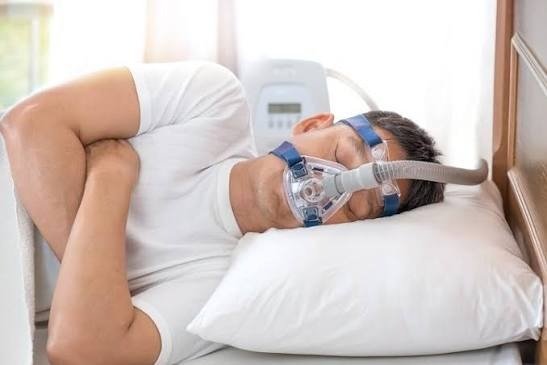
A good night’s sleep is about more than simply spending enough hours in bed. If breathing is repeatedly disrupted during the night, sleep can become fragmented without the person necessarily realising what is happening.
Snoring, gasping, mouth breathing and waking unrefreshed can all be signs that something is affecting normal breathing during sleep. While occasional snoring is common, persistent symptoms may be worth discussing with a qualified healthcare professional.
Understanding the connection between sleep and breathing is often the first step towards deciding whether further assessment is needed.
What Happens to Breathing During Sleep?
When we fall asleep, the muscles supporting the upper airway naturally relax. In some people, this can cause the airway to become narrower.
Air moving through a narrowed airway can create vibration in the surrounding tissues, resulting in snoring. If the airway becomes significantly obstructed, breathing may also be repeatedly interrupted, as can happen with obstructive sleep apnoea.
The exact cause is not the same for everyone. Nasal blockage, the soft palate, tonsils, tongue position and other anatomical factors can all influence airflow.
Is Snoring Always a Sign of Sleep Apnoea?
No. Many people snore without having obstructive sleep apnoea.
However, certain symptoms can make further assessment more appropriate. These may include witnessed pauses in breathing, choking or gasping during sleep, persistent daytime tiredness, morning headaches or waking without feeling properly rested.
Because snoring and sleep apnoea can overlap, it is useful to look at the overall pattern rather than focusing on the noise alone.
Why Is Finding the Cause So Important?
Sleep-related breathing problems can have different underlying causes.
For example, one person may have significant nasal obstruction, while another may have narrowing around the soft palate or tongue. Some people may have several contributing factors at the same time.
This is why a one-size-fits-all approach is not always appropriate. A proper assessment can help identify where the airway may be narrowing and whether a sleep-related breathing disorder is present.
How Can Sleep and Breathing Be Assessed?
A specialist assessment may involve several different stages.
An ENT examination can assess the nose, throat and upper airway for potential areas of obstruction. Where sleep apnoea is suspected, a sleep study can record information such as breathing patterns, airflow, snoring and oxygen levels during sleep.
Some assessments can be completed at home, while more detailed testing may be carried out in a clinical setting.
In selected cases, Drug-Induced Sleep Endoscopy, commonly known as DISE, may also be used. It allows the upper airway to be observed under sleep-like conditions and can provide additional information about where narrowing or collapse occurs.
Why Personalised Care Makes a Difference
Once the cause has been investigated, treatment can be considered according to the individual’s circumstances.
Depending on the diagnosis, possible approaches can include lifestyle measures, nasal treatment, oral appliances, CPAP, targeted ENT procedures or other specialist options. Not every treatment is suitable for every person, and treatment decisions should be based on appropriate clinical assessment.
This is particularly important for people who have already tried a treatment but found it difficult to tolerate or ineffective for their circumstances.
What Should You Look for in a Sleep Specialist?
When researching sleep specialists in London, it is worth looking beyond the treatment list.
Consider the clinician’s relevant qualifications and experience, the diagnostic process used, whether both sleep and airway factors are considered, and whether different treatment approaches can be discussed.
The Snoring & Sleep Clinic is led by Mr Ryan Chin Taw Cheong, a Consultant ENT and Sleep Surgeon specialising in snoring and obstructive sleep apnoea. His practice combines ENT assessment, sleep studies and, where appropriate, further airway assessment such as DISE.
A structured approach can help patients understand not only what may be happening during sleep, but also why a particular treatment may be recommended.
Questions Worth Asking During an Assessment
If you are concerned about your sleep or breathing, useful questions may include:
- Could my snoring indicate a breathing problem?
- Would I benefit from a sleep study?
- Is nasal obstruction affecting my breathing?
- What is causing my airway to narrow?
- Are there non-surgical treatment options?
- Would further airway assessment be useful?
- How will treatment be selected?
Getting clear answers can make it easier to understand the next step rather than relying on assumptions or generic online advice.
Better Sleep Starts With Understanding the Problem
Sleep-related breathing problems can be surprisingly complex, but identifying the possible cause can make treatment decisions much clearer.
Persistent snoring, disrupted breathing or unexplained daytime tiredness should not simply be ignored, particularly when symptoms are affecting everyday life or a partner has noticed breathing pauses during sleep.
For people seeking specialist snoring and sleep apnoea care in London, the Snoring & Sleep Clinic offers consultant-led assessment and a range of diagnostic and treatment options tailored to individual circumstances.
The most useful starting point is often not asking which treatment is the best, but understanding what is actually causing the problem.