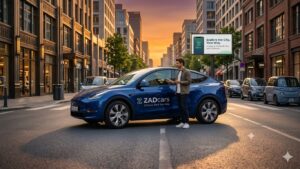
Most travelers spend hours comparing airline tickets, checking hotel reviews, and building sightseeing lists. Yet many ignore one of the most important parts of the entire trip: ground transportation. That mistake creates unnecessary stress, wasted money, delays, and confusion the moment they land.
Experienced travelers understand something casual tourists usually learn too late. Flights only get you to the destination. Transportation planning determines how smooth the actual travel experience becomes.
People who fail to organize local transportation early often end up overpaying for taxis, struggling with language barriers, waiting in long queues, or getting trapped in unreliable transit systems. In busy tourist destinations, especially international business hubs, poor transportation decisions can damage the entire trip before it properly begins.
Smart travelers approach transportation differently. They treat it as a core part of travel strategy, not an afterthought.
Transportation Problems Start at the Airport
Airports are designed for arrivals, not convenience. Once passengers leave the terminal, reality hits quickly. Travelers suddenly need to figure out how to reach hotels, business meetings, tourist attractions, or residential areas.
This becomes even harder after long flights. Fatigue lowers decision-making ability. Jet lag creates confusion. Travelers carrying luggage become easy targets for overpriced services and scams.
Many people wrongly assume transportation will be easy to arrange upon arrival. That assumption fails constantly in major travel destinations where demand exceeds supply during peak hours.
Business travelers face an even bigger problem. Delays caused by poor transportation planning can affect meetings, schedules, and professional reputation. Missing an important appointment because of airport transport chaos is avoidable, yet extremely common.
Families experience another layer of difficulty. Parents traveling with children cannot afford uncertainty after landing. Long waits, crowded transport systems, or unreliable drivers create unnecessary tension immediately after arrival.
Ground transportation should reduce stress, not create it.
Flight Prices Change. Transportation Availability Changes Faster
Most people obsess over flight prices because airfare comparison websites trained consumers to focus heavily on ticket costs. However, transportation availability often becomes more difficult to secure than flights themselves.
During holidays, exhibitions, sporting events, and tourism seasons, local transport demand increases dramatically. Travelers who wait until arrival often discover limited vehicle availability, surge pricing, or long waiting periods.
This problem becomes severe in destinations with heavy tourism activity. Travelers who book flights first and think about transport later frequently lose flexibility and control.
Planning transportation early allows travelers to compare options calmly instead of making rushed decisions under pressure. It also provides opportunities to understand local routes, travel times, traffic conditions, and pricing structures before landing.
The difference between organized travelers and unprepared travelers usually becomes obvious within the first hour after arrival.
Time Is More Valuable Than Small Savings
Many travelers focus too much on saving small amounts of money while ignoring time loss. That mindset creates poor decisions.
A traveler may spend hours researching a slightly cheaper flight while ignoring transportation efficiency completely. Then they lose several hours navigating unfamiliar transit systems, waiting for drivers, or dealing with transportation mistakes after arrival.
That is not smart budgeting. That is poor prioritization.
Time matters more during travel because schedules are compressed. Vacations have limited days. Business trips operate under strict timelines. Efficient movement directly improves the quality of the trip.
Smart travelers calculate transportation value differently. They ask questions like:
- How quickly can I leave the airport?
- How reliable is the service?
- How predictable are the costs?
- Will transportation delays affect my plans?
- Does this option reduce stress?
Those questions matter more than saving a small amount upfront.
Transportation Affects Safety More Than Most People Realize
Unplanned transportation increases vulnerability.
Travelers arriving in unfamiliar countries are already operating outside their normal environment. They may not understand local pricing systems, road conditions, regulations, or common scams.
People carrying luggage, passports, electronics, and cash become obvious targets for dishonest operators. Tourists making rushed decisions at airports often pay inflated prices or enter unsafe situations simply because they failed to prepare beforehand.
Researching transportation early reduces these risks significantly.
Professional travelers usually verify routes, pricing expectations, pickup procedures, and service providers before departure. That preparation removes uncertainty and lowers exposure to problems.
The reality many people ignore is simple: confusion attracts exploitation.
Ground Transportation Shapes First Impressions
The first few hours in a destination strongly influence how travelers feel about the entire trip.
A smooth airport transfer creates calmness and confidence. A chaotic arrival creates frustration and exhaustion.
Travel experiences are emotional. Travelers remember stress more intensely than convenience. Long waits, transportation confusion, dishonest drivers, or complicated navigation immediately damage excitement.
This matters especially in luxury tourism destinations where visitors expect efficiency and comfort from the start.
For example, travelers visiting the UAE often prioritize convenience because of the fast-paced environment and large distances between locations. Many experienced visitors arrange services like car rental Dubai airport before departure because they understand how important mobility becomes in cities designed around modern road infrastructure.
The goal is not simply transportation. The goal is maintaining control over the travel experience.
Public Transportation Is Not Always the Smart Choice
Budget travelers often assume public transportation is automatically the best option. Sometimes it is. Often it is not.
Public transport systems work well for travelers who understand local routes, languages, schedules, and payment systems. Tourists arriving for short stays rarely have that advantage.
Dragging luggage through crowded stations after long flights creates unnecessary exhaustion. Complex transit systems consume time and attention that travelers could spend enjoying the destination instead.
There is also a hidden mental cost. Constant navigation stress drains energy.
Smart travelers understand that convenience has value. The cheapest option is not always the most efficient option.
This becomes especially important for:
- Families with children
- Business travelers
- Travelers carrying multiple bags
- Elderly passengers
- First-time international visitors
- Travelers arriving late at night
Transportation decisions should match travel goals, not internet travel clichés.
Flexibility Creates Better Travel Experiences
Travel rarely goes exactly according to plan.
Flights get delayed. Weather changes schedules. Meetings run late. Tourists discover new locations unexpectedly. Plans evolve during the trip.
Flexible transportation allows travelers to adapt without major disruption.
People relying entirely on rigid transport schedules often lose freedom. They organize their days around transportation limitations instead of personal priorities.
That problem becomes worse in destinations with large urban layouts where attractions are spread across multiple districts.
Smart travelers build flexibility into their transportation planning because they understand movement affects every part of the trip.
The ability to adjust quickly saves time, reduces stress, and creates better opportunities.
Business Travelers Understand This Better Than Tourists
Frequent business travelers usually prioritize transportation planning earlier than casual tourists. That is not accidental.
Professionals understand delays have consequences. Missing meetings, arriving late, or appearing disorganized damages credibility.
Efficient transportation supports productivity. Business travelers often choose convenience because time directly affects financial outcomes.
Tourists should adopt the same mindset.
Vacation time is also valuable. Spending hours solving avoidable transportation problems reduces the quality of the experience.
Smart travelers recognize that transportation is not separate from the trip. It is part of the trip.
Last-Minute Planning Usually Leads to Worse Decisions
Most travel mistakes happen because people delay decisions.
Waiting until arrival creates pressure. Pressure leads to rushed choices. Rushed choices often become expensive or inconvenient.
Travelers who organize transportation early gain several advantages:
- Better pricing options
- More availability
- Time to compare services
- Reduced arrival stress
- Improved schedule coordination
- Greater confidence during travel
Preparation creates leverage. Unprepared travelers lose negotiating power immediately after landing because they need fast solutions.
That urgency usually benefits service providers more than travelers.
Smart Travelers Think Beyond the Flight
Flights are only one part of modern travel logistics. Yet many people behave as if airline tickets alone determine travel quality.
That thinking is outdated.
The real travel experience begins after landing. Transportation influences comfort, efficiency, safety, flexibility, and overall satisfaction throughout the journey.
Smart travelers understand this early. Instead of treating ground transportation like a minor detail, they treat it as strategic planning.
The difference is obvious in real-world travel experiences. Organized travelers move confidently, avoid unnecessary stress, and maximize their time. Unprepared travelers spend large portions of their trip reacting to avoidable problems.
Planning transportation before booking flights is not excessive preparation. It is practical thinking.
People who ignore that reality usually learn the lesson the hard way — standing outside an airport, exhausted, overpaying for bad options, wondering why the trip already feels difficult before it has even started.