Type 1 and Type 2 diabetes education online

A small change in blood sugar levels can affect energy, mood, and overall health more than many people realize. For people living with diabetes, regular monitoring provides valuable information about how food, activity, medication, and lifestyle choices influence their bodies. Access to Type 1 and Type 2 diabetes education online helps patients understand these patterns and make informed decisions. Consistent tracking is one of the most effective steps toward safer and more balanced diabetes management.

Why Blood Sugar Monitoring Is Important for Diabetes Management

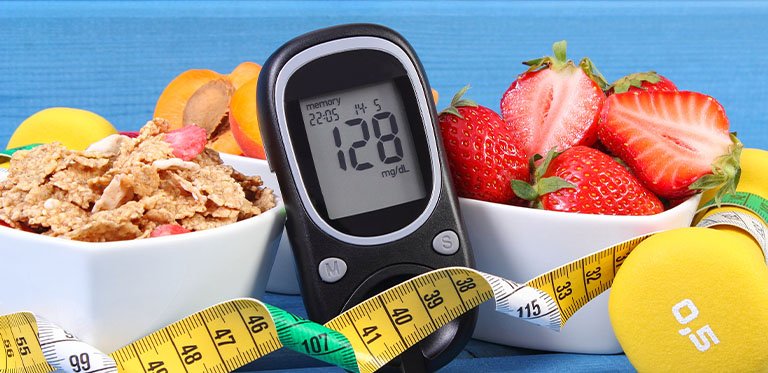
Blood sugar monitoring allows diabetes patients to understand what is happening inside their bodies throughout the day. Glucose levels naturally change based on meals, exercise, stress, sleep, and medication. Tracking these changes helps patients and healthcare providers identify patterns and create better treatment plans.

Diabetes affects the body’s ability to control glucose properly. Without regular monitoring, patients may not notice when their levels become too high or too low. These changes can sometimes happen without obvious symptoms, making routine checks an essential part of daily care.

Monitoring Helps Prevent High and Low Blood Sugar Problems

High blood sugar, also known as hyperglycemia, can develop when the body does not have enough insulin or cannot use insulin effectively. Over time, consistently high glucose levels may increase the risk of complications affecting the heart, kidneys, eyes, and nerves.

Low blood sugar, or hypoglycemia, can also create serious concerns. It may cause symptoms such as shaking, confusion, sweating, dizziness, and weakness. Regular monitoring helps patients recognize these changes early and take appropriate action.

Patients can reduce risks by:

  • Checking glucose levels according to their healthcare provider’s recommendations
  • Keeping records of readings and noting unusual changes
  • Understanding warning signs of high or low blood sugar
  • Following prescribed medication and lifestyle plans

How Blood Sugar Tracking Supports Better Treatment Decisions

Every person with diabetes responds differently to food, physical activity, and medication. Blood sugar readings provide clear information that helps healthcare professionals adjust treatment when necessary.

For example, a patient may notice that glucose levels rise significantly after eating certain foods. This information can guide healthier meal choices and improve daily control. Similarly, tracking levels before and after exercise can show how physical activity affects the body.

Doctors Use Glucose Information to Adjust Care Plans

Healthcare providers rely on blood sugar records to evaluate whether a treatment approach is working. These records may help determine whether medication doses need adjustment or whether lifestyle changes are producing positive results.

Regular communication between patients and healthcare professionals creates a stronger approach to diabetes care. Good diabetes education teaches patients how to collect useful information and discuss their progress during medical visits.

Understanding the Difference Between Type 1 and Type 2 Diabetes Monitoring

Although both Type 1 and Type 2 diabetes involve problems with blood sugar regulation, monitoring needs can vary depending on the condition.

People with Type 1 diabetes usually require insulin because their bodies produce little or no insulin. Frequent monitoring helps them manage insulin doses and maintain safer glucose levels throughout the day.

People with Type 2 diabetes may manage their condition through lifestyle changes, oral medications, insulin, or a combination of treatments. Monitoring helps them understand how different choices affect their glucose control.

Type 1 Diabetes Requires Careful Daily Tracking

Type 1 diabetes management often involves checking blood sugar multiple times daily. Patients may need to monitor levels before meals, after physical activity, and during periods of illness or stress.

Understanding glucose patterns allows people with Type 1 diabetes to make timely adjustments and reduce the chance of sudden changes. Proper education and consistent monitoring can improve confidence in managing daily routines.

Type 2 Diabetes Monitoring Supports Long-Term Health

Type 2 diabetes often develops gradually, and some people may not notice symptoms immediately. Regular monitoring helps patients stay aware of their condition and take action before problems become more serious.

Lifestyle factors such as weight management, nutrition, exercise, and stress control can influence blood sugar levels. Tracking results helps patients identify which habits support better health outcomes.


The Role of Diabetes Education in Improving Blood Sugar Control

Knowledge plays an important role in successful diabetes management. Patients who understand how diabetes works are more likely to monitor their blood sugar regularly, follow treatment plans, and recognize changes that require attention.

Quality diabetes education provides practical information about nutrition, medication use, physical activity, glucose monitoring tools, and healthy lifestyle habits. It helps patients move beyond simply checking numbers and understand what those numbers mean for their health.

Learning How Daily Choices Affect Blood Sugar

Many everyday decisions can influence glucose levels. Meals, exercise routines, sleep patterns, and stress management all contribute to blood sugar changes. Learning these connections allows patients to make choices that support better control.

For example, a person may notice improved readings after adding regular walks to their routine or choosing balanced meals with appropriate portions. These observations encourage positive habits and create a more personalized approach to diabetes care.

Patients can benefit from learning:

  • How different foods affect blood sugar levels
  • How exercise changes glucose use in the body
  • How medications support blood sugar regulation
  • How to respond to unusual glucose readings
  • How to communicate concerns with healthcare providers

Best Practices for Monitoring Blood Sugar Levels

Creating a consistent monitoring routine makes diabetes management easier and more effective. Although individual recommendations vary, many patients benefit from following organized habits that help them track progress over time.

Keeping accurate records is especially useful because it shows patterns that may not be noticeable from individual readings. These records can include glucose levels, meals, exercise, medication timing, and symptoms.

Use the Right Monitoring Method

Different monitoring tools are available depending on a patient’s needs and healthcare provider recommendations. Traditional glucose meters require a small blood sample, while continuous glucose monitoring systems can provide frequent updates throughout the day.

The right method depends on factors such as diabetes type, treatment plan, lifestyle, and personal preferences. Patients should discuss available options with their healthcare providers to determine the most suitable approach.

Check Blood Sugar at Recommended Times

Timing matters when monitoring glucose levels. Healthcare providers may suggest checking before meals, after meals, before exercise, at bedtime, or during periods of illness.

Following a consistent schedule creates reliable information that can support better decisions. Random testing without a clear plan may not provide the complete picture needed for effective management.

How Lifestyle Habits Influence Blood Sugar Levels

Blood sugar management involves more than monitoring alone. Healthy daily habits work together with regular testing to improve overall diabetes control.

A balanced lifestyle can help patients maintain steadier glucose levels and reduce the risk of complications. Small, consistent improvements often create meaningful results over time.

Nutrition and Meal Planning Support Better Control

Food has a direct impact on blood sugar levels. Carbohydrates, portion sizes, and meal timing can affect how quickly glucose rises after eating.

Patients do not always need to completely avoid certain foods. Instead, learning how to create balanced meals with vegetables, lean proteins, healthy fats, and appropriate carbohydrate portions can support better results.

Physical Activity Helps the Body Use Glucose

Exercise helps the body use glucose more efficiently and can improve insulin sensitivity. Activities such as walking, swimming, cycling, and strength training may support healthier blood sugar levels.

Patients should consider their personal health conditions and discuss exercise plans with healthcare professionals. Monitoring glucose before and after activity can help identify how the body responds to different exercises.

Common Mistakes Diabetes Patients Should Avoid

Managing diabetes requires attention and consistency. However, some common mistakes can make blood sugar control more difficult.

Skipping monitoring, ignoring unusual readings, or making medication changes without professional guidance may increase health risks. Building reliable habits helps patients stay prepared and informed.

Avoid Ignoring Blood Sugar Patterns

One unusual reading may not always indicate a serious issue, but repeated changes should not be overlooked. Consistently high or low levels may signal that treatment adjustments are needed.

Patients should share concerns with their healthcare providers instead of waiting for symptoms to become severe. Early action often makes diabetes management easier.

Avoid Relying Only on Symptoms

Some people believe they can tell when their blood sugar is too high or too low. However, symptoms are not always reliable indicators, especially for individuals who have lived with diabetes for many years.

Regular monitoring provides measurable information that symptoms alone cannot provide. This makes testing an important part of maintaining awareness and preventing avoidable problems.

Conclusion

Regular blood sugar monitoring gives diabetes patients the information they need to manage their condition with greater confidence. Tracking glucose levels helps identify patterns, prevent complications, and support better treatment decisions. Along with proper medical care, healthy habits, and ongoing diabetes education, monitoring creates a stronger foundation for long-term wellness. Every reading provides useful insight into how the body responds to daily choices. By staying consistent and informed, people with diabetes can take meaningful steps toward maintaining healthier blood sugar levels and improving their quality of life.

Leave a Reply

Your email address will not be published. Required fields are marked *