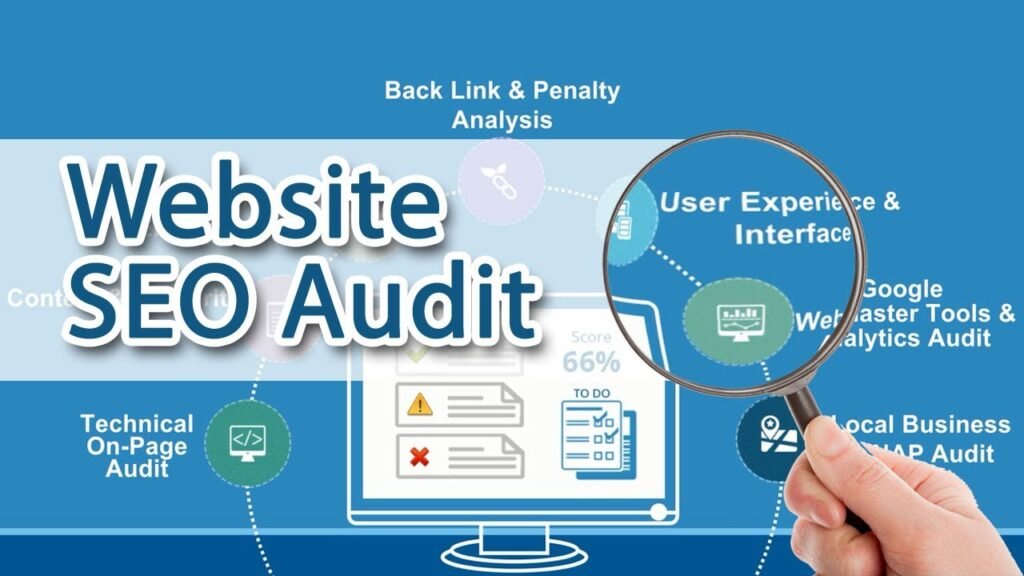
SEO site health check audit analyzing website performance and technical SEO issues
Getting organic traffic is an important goal for most businesses, but maintaining consistent search visibility requires ongoing attention. A website may perform well today and gradually lose traffic because of broken links, indexing problems, outdated content, slow-loading pages, or changes in its technical structure.
These issues are not always obvious during everyday website management. A regular SEO site health check helps identify potential problems before they become bigger obstacles to organic growth.
Rather than focusing only on keyword rankings, businesses need to understand how well their websites function, how search engines access their content, and whether visitors can easily find useful information.
Understanding What an SEO Site Health Check Covers
An SEO audit takes a look at all the various factors of a website to figure out how visible and user friendly it is. It offers a much more well rounded view of what is working and what might need a bit of enhancement.
Review Technical SEO Bases
Technical SEO tells search engines how to find, crawl, and comprehend your site. There are specific focus points in this area of SEO, such as indexation, redirects, XML sitemaps, robots.txt configurations, global HTTPS security, and canonical tags.
For instance, a website redesign can accidentally create wrong redirects or prevent significant pages from being crawled. Such errors can result in search visibility issues.
Search for misplaced internal links, redirect chains, duplicate URLs, and pages with surprising status codes as well during auditing.
Reviewing Website Speed and Mobile Experience
Performance determines what visitors want to do on a website. Slow-loading pages make people feel stuck – especially when on the go.
Google’s Core Web Vitals Google gives you some metrics for loading time, interactivity, and visual stability. It might be worth taking a look to see if there’s any room for technical optimization.
Image compression, efficient code, appropriate caching, and careful use of third-party scripts are some ways to improve performance.
Improving Content Quality and Search Relevance

Technical health is only one part of SEO. Website content must also provide useful information that matches what people are searching for.
During an audit, businesses should review page titles, meta descriptions, heading structures, keyword targeting, and internal links. They should also identify outdated pages, thin content, and multiple pages competing for similar search terms.
The goal is not to add keywords everywhere. It is to make each page useful, relevant, and easy to understand.
What High-Performing Agency Websites Can Teach Businesses
Exploring the best marketing agency websites can provide useful ideas for improving website structure and content presentation.
Top-quality agency websites will have clarity of service. They will be well structured, show their proficiency via case studies and be easy to contact.
These principles aren’t only relevant to a marketing agency. Any site, any business can learn from clear service pages, valuable resources, trustworthy case studies, and navigational ease.
Copying somebody else’s website design or content should hardly be the answer, anyway. But a business should take heed of what works and tailor it to his own purpose and target audience.
Turning Audit Findings Into Practical Improvements
An audit becomes valuable when its findings lead to meaningful action. Businesses should prioritize issues according to their potential impact rather than attempting to fix everything at once.
For instance, resolving an accidental noindex directive on an important service page may deserve attention before making minor heading adjustments.
Useful priorities include:
- Fixing crawling and indexing problems affecting important pages.
- Updating broken links and incorrect redirects.
- Improving mobile usability and page performance.
- Refreshing outdated or inaccurate content.
- Strengthening internal links between related pages.
- Improving page titles and descriptions where necessary.
Google Search Console, Google Analytics, and website crawling tools can help monitor different aspects of performance.
Why Consistent Audits Matter for Long-Term Growth

One-time audit will not deliver long-term results as website is ever-changing. New pages are created, plugins are updated, designs are redesigned, search engines algorithms are always changing and so on.
Conducting ongoing audits allows businesses to have a healthier website and catch issues as they happen. A weekly, monthly, quarterly, bi-annual, or annual checks will vary depending on the size, scale, publishing schedule, and website complexity.
Building a Stronger Foundation for Organic Traffic
For websites to grow in search engines long-term, you need more than content and keywords. You require robust technical groundwork, valuable content, and an enjoyable experience for your audiences.
A recurring SEO site health check will allow your business to identify areas for improvement and make more informed decisions around your onsite optimization. You’ll be able to make note of the progress you’re seeing and lay a firm foundation for organic visibility.