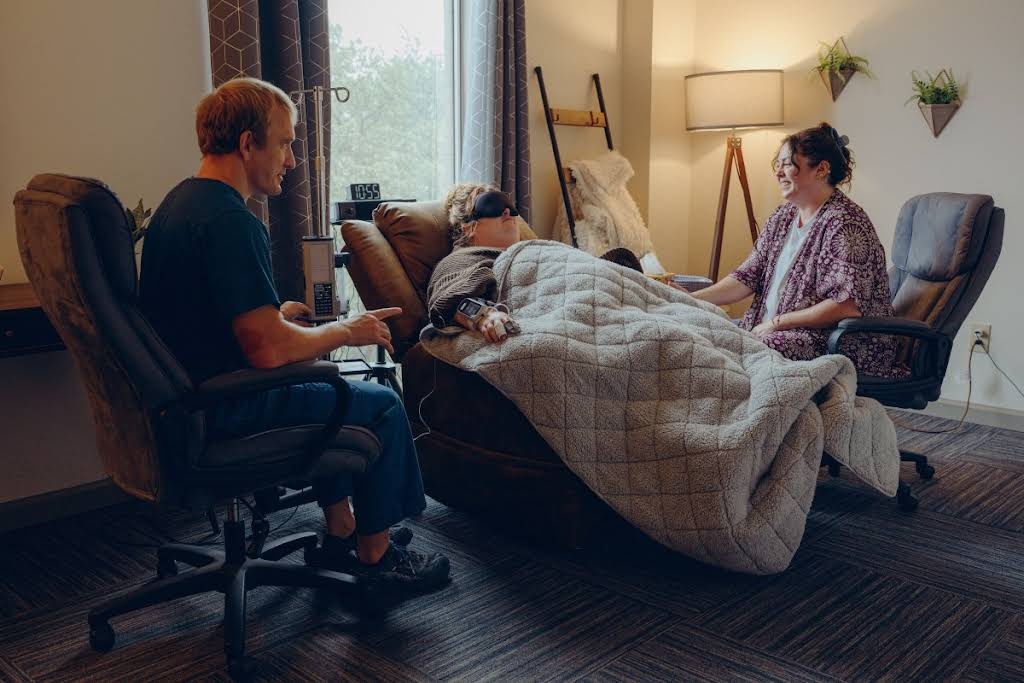
For millions of people living with depression or anxiety, the path to feeling better often involves years of trial and error, cycling through medications, adjusting doses, waiting weeks to see if something works, and starting over when it doesn’t. It’s an exhausting process that leaves many wondering if anything will ever help.
That frustration is driving a growing number of people toward ketamine therapy as an alternative worth exploring.
The Limits Of Traditional Antidepressants
Standard antidepressants work for many people, but not for everyone. Research suggests that roughly one-third of people with depression don’t respond adequately to first-line medications. For those individuals, the process often involves trying multiple drugs over months or years, each with its own side effects, adjustment periods, and disappointments.
This isn’t a failure of effort or willingness. It’s simply that traditional medications, which primarily target serotonin and related neurotransmitters, don’t address every underlying factor that contributes to depression. For some people, a different approach may be needed.
What Makes Ketamine Therapy Different
Ketamine therapy represents a fundamentally different mechanism of action. Rather than targeting serotonin pathways, ketamine primarily affects glutamate (the brain’s most abundant neurotransmitter) and may support neuroplasticity, the brain’s ability to form new connections.
This different approach may explain why some people who haven’t responded to conventional treatments experience improvement with ketamine therapy. It’s not a matter of trying “one more antidepressant”; it’s exploring an entirely different pathway.
Another distinction is speed. Traditional antidepressants typically take weeks to show effects. Ketamine therapy may produce noticeable changes more quickly, which can be meaningful for people who’ve spent years waiting for something to work.
The Range Of Ketamine Therapies Available Today
The landscape of ketamine therapies has expanded significantly in recent years. What was once available only through in-clinic IV infusions now includes multiple formats and delivery methods:
- Sublingual tablets or lozenges taken at home under medical supervision
- Nasal spray formulations
- Intramuscular injections administered in clinical settings
- Traditional IV infusions with on-site monitoring
- Telehealth programs combining virtual consultations with at-home protocols
Each format has different considerations regarding convenience, cost, supervision requirements, and individual suitability. Online ketamine therapies have made access easier for many people, particularly those who don’t live near specialized clinics. These programs typically include virtual consultations, at-home treatment protocols, and medications delivered directly to the patient, making care possible regardless of geography.
Who’s Exploring This Pathway And Why
The people turning to ketamine programs aren’t looking for shortcuts or quick fixes. They’re typically individuals who’ve genuinely tried to make traditional treatments work (often for years) without success.
Many have been through multiple medication trials. Some have tried therapy, lifestyle changes, and various combinations of treatments. They’ve done the work, followed the protocols, and still found themselves struggling. For these individuals, ketamine therapy represents not a first resort but a considered next step after other options have been exhausted.
What draws them to this pathway is often a combination of factors: the different mechanism of action, the potential for faster response, and the growing body of research suggesting meaningful results for treatment-resistant conditions. It’s not about abandoning conventional care, but expanding the toolkit when conventional care hasn’t been enough.
What To Look For In A Program
Not all ketamine therapies are created equal. The difference between a positive experience and a disappointing one often comes down to program quality and structure.
Medical supervision matters. Programs that include thorough evaluation, ongoing monitoring, and qualified providers tend to produce better outcomes than those offering medication with minimal oversight. Integration support — helping people process their experiences and apply insights to daily life — also plays a meaningful role. And structured protocols, rather than ad-hoc treatment, help ensure consistency and appropriate follow-up.
When evaluating options, look for programs that treat ketamine therapy as one component of comprehensive care rather than a standalone product. The medication is important, but it’s most effective when supported by professional guidance and a clear treatment framework.
A Different Pathway
Ketamine therapy may not be right for everyone, and it doesn’t promise what other treatments haven’t delivered. But for those who’ve spent years navigating failed treatments without finding what works, it may offer something valuable: a genuinely different approach.
The growing interest in ketamine therapy reflects a broader recognition that mental health care isn’t one-size-fits-all. Sometimes the path forward requires exploring new options. And for many people, that exploration is proving worthwhile.