Luxury design used to follow a script. You could almost guess the room before walking in—polished marble, clean symmetry, expensive stuff placed very carefully so nothing looked out of place. It worked, for a while. But people are getting tired of that same look. They want something that doesn’t feel staged all the time. You’ll hear it straight from the Best Interior Designers in Las Vegas—clients aren’t chasing that showroom vibe anymore. They want homes that feel like theirs, not like a magazine spread someone else put together.
The Shift Away From Perfect, Untouchable Spaces
There was a time when “don’t touch anything” was basically the design goal. Everything had its spot, and using the space too much almost felt like ruining it. That mindset is fading. Slowly, but clearly. People want to live in their homes without worrying about every little scratch or crease. Softer finishes, more forgiving materials, furniture you can actually sit on without adjusting ten cushions first—it’s all becoming normal. Not sloppy, just relaxed. There’s a difference. And honestly, it makes a space feel more expensive in a strange way, because it’s confident enough not to try so hard.
Design Is Getting More Personal (Finally)
This part’s overdue. Instead of copying trends, people are mixing things that matter to them. Maybe it’s a vintage chair that doesn’t quite match anything else. Maybe it’s artwork that feels a bit random but has a story behind it. Designers are leaning into that now instead of smoothing it out. Not everything has to match perfectly. Some of the best spaces feel slightly off-balance, but in a good way. Like you can tell someone actually lives there. It’s not a set.
Materials Are Losing That Over-Polished Look
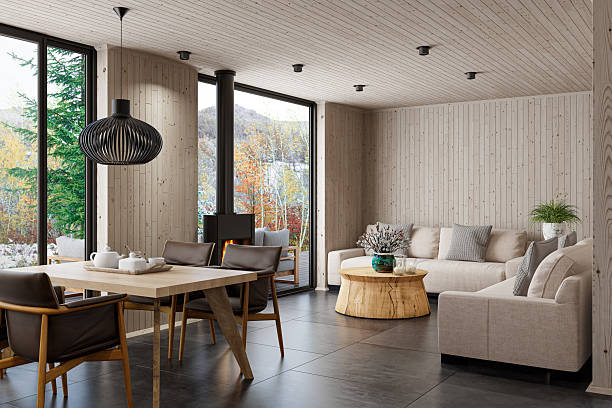
Glossy everything is starting to feel a bit… forced. You still see it, sure, but it’s not the default anymore. More clients are asking for materials that feel real when you touch them. Wood that shows grain. Stone that isn’t perfectly uniform. Fabrics that wrinkle a little. It’s funny, because these choices would’ve been seen as flaws before. Now they’re the point. There’s something about a surface that isn’t trying to be perfect that just feels better to be around. Hard to explain, but you notice it.
Function Is No Longer an Afterthought
This one’s practical. People are using their homes differently now—working, hosting, doing everyday stuff in the same spaces. So design has to keep up. A beautiful kitchen that doesn’t function well? Not acceptable anymore. Same with living rooms that look great but don’t support actual living. Storage matters more. Layout matters more. Even small things, like where outlets go, are part of the conversation now. It’s less glamorous, sure, but way more useful. And that’s kind of the direction everything’s going.
Technology Is Blending In Instead of Standing Out
Tech hasn’t gone away—it’s just quieter. You won’t always see it, but it’s there. Lighting that adjusts without you thinking about it. Sound systems that don’t clutter the room. Climate control that just works. The goal now isn’t to show off gadgets, it’s to make them disappear into the background. That’s where it starts to feel like real luxury. Not obvious, but noticeable once you get used to it.
Sustainability Is Becoming Part of the Conversation
Not in a preachy way, just… more present. People are asking questions they didn’t used to ask. Where did this come from? How long will it last? Is it worth replacing in five years? Designers have to think about that stuff now. It’s not just about how something looks on day one. There’s more focus on durability, on sourcing, on making choices that don’t feel wasteful. It doesn’t mean everything has to be “eco” branded, just more considered.
Flexible Spaces Are Taking Over
Life doesn’t stay the same for long, so rigid layouts don’t make much sense anymore. One room doing one thing forever? That’s limiting. Now it’s more about spaces that can shift a bit. A work corner that blends into a living area. A guest room that isn’t empty most of the year. Furniture that can move around without feeling out of place. It’s subtle, but it changes how people use their homes day to day. Makes things easier.
Designers Are Working Differently Now
It’s less about pushing a signature look and more about figuring people out. What they actually need, not just what they think they want at first. That takes time. More conversations, sometimes going in circles before landing on something that clicks. Designers are acting more like collaborators now. Not just delivering a finished look, but shaping it with the client along the way. It’s messier, sure. But the results don’t feel generic.
Local Context Is Starting to Matter More
Not every home needs to look like it belongs somewhere else. There’s a growing focus on designing for the actual location—climate, light, surroundings, even the pace of life in that area. It adds a layer that you can’t really fake. Spaces feel more grounded. Less like they’ve been copied from a global trend cycle and dropped in place.
How This Shift Looks in Las Vegas Homes
Las Vegas used to lean heavily into bold, flashy interiors. And some of that is still there, obviously. But it’s changing. There’s more restraint now, more balance. The newer wave of Las Vegas Home Interior Designers are creating spaces that still feel luxurious, just without all the noise. It’s a bit calmer. More focused. You notice the details instead of being hit with everything at once.
Conclusion
Luxury interior design isn’t dying, it’s just growing up a little. Moving away from rigid rules and predictable looks toward something more personal, more usable. Not perfect, not overly styled—just real spaces that actually work for the people living in them. And yeah, maybe that means things look a bit less “finished” sometimes. But they feel better. And in the end, that’s what people are paying for now.