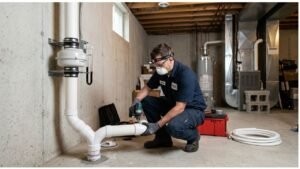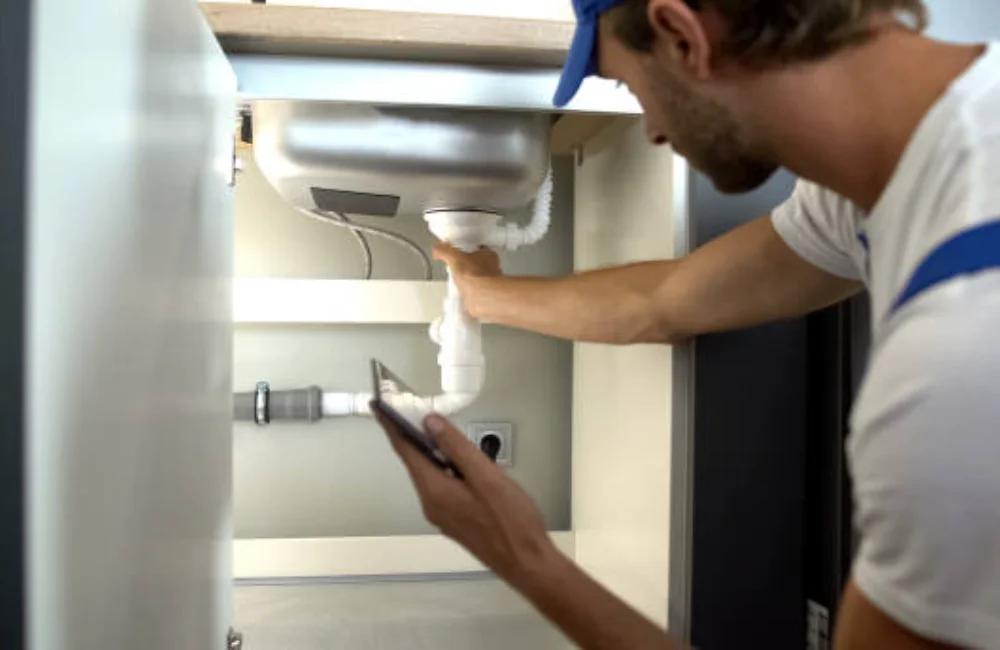
A renovation can transform a property, but hidden plumbing problems can quickly turn an exciting project into an expensive repair. Before walls are opened, floors are replaced, or new fixtures are installed, property owners should know what is happening behind the surfaces. Expert Leak Detection Services can identify concealed water problems early, helping homeowners address damaged pipes, moisture issues, and potential structural concerns before renovation work begins.
Why Leak Detection Should Come Before Renovation
Major renovations often involve opening walls, removing flooring, relocating plumbing, or changing bathrooms and kitchens. These activities can expose existing plumbing problems that were previously hidden.
A small leak may not seem urgent when it is tucked behind a wall or beneath a floor. However, continued moisture can damage insulation, drywall, wood framing, flooring, and other building materials. If contractors discover the issue after renovation work has started, the project may face delays and additional costs.
A professional inspection gives property owners a clearer picture of existing plumbing conditions. As a result, they can plan repairs alongside the renovation instead of dealing with unexpected problems halfway through the project.
Hidden Leaks Can Cause Serious Property Damage
Water does not always leave obvious signs when a pipe develops a problem. Some leaks remain concealed for weeks or months before producing visible staining, odors, or changes in flooring.
Common Areas Where Leaks Hide
Hidden plumbing problems may occur in several areas, including:
- Behind bathroom and kitchen walls
- Under floors and slabs
- Around bathtubs and showers
- Near sinks and toilets
- Inside ceilings
- Around water heaters
- Beneath outdoor or underground plumbing
- Near older pipe connections and fittings
Because these areas are difficult to inspect visually, homeowners may not recognize a problem until significant damage has already occurred.
Moisture Can Affect More Than Plumbing
Persistent moisture can create secondary problems. Wood components may deteriorate, drywall can become damaged, and damp areas may encourage unwanted microbial growth.
Furthermore, water can travel away from the original leak. A small plumbing failure on one side of a wall may eventually affect another room, making the source difficult to identify without appropriate diagnostic methods.
Renovations Can Make Existing Leaks Worse
Renovation work naturally puts stress on parts of a property. Removing cabinets, flooring, walls, or fixtures can disturb old plumbing connections.
For example, a renovation team may remove an old sink and discover that a nearby pipe connection has already weakened. Moving the plumbing could then cause a small leak to become more noticeable.
Likewise, drilling, cutting, or fastening materials near existing plumbing can create additional risks when the location of pipes is uncertain. Identifying existing problems before construction begins gives contractors important information for planning their work safely.
Leak Detection Helps Control Renovation Costs
Budgeting is one of the biggest concerns during any major renovation. Property owners typically estimate costs for materials, labor, permits, fixtures, and finishing work. Unexpected plumbing repairs can disrupt those calculations.
Early Leak Detection can help reveal problems before they become part of an active construction project.
| Potential Issue | What Can Happen | Benefit of Early Detection |
|---|---|---|
| Hidden pipe leak | Water damage behind surfaces | Repair before walls are closed |
| Slab leak | Moisture beneath flooring | Plan repairs before new flooring |
| Worn connection | Sudden plumbing failure | Replace during scheduled work |
| Bathroom leak | Damage to surrounding materials | Address moisture before remodeling |
| Underground leak | Water loss and property damage | Investigate before exterior work |
| Aging plumbing | Increased failure risk | Include upgrades in renovation plans |
When problems are identified early, homeowners can discuss repair options with their plumbing professional and renovation contractor. This approach can make project scheduling more predictable.
How Professionals Find Hidden Plumbing Leaks
Modern plumbing professionals have several ways to investigate suspected leaks without immediately removing large sections of a property.
Visual Inspection
The process often begins with a careful visual inspection. A plumber may look for stains, discoloration, warped materials, corrosion, unusual moisture, or other signs that suggest a plumbing problem.
Although visual checks are useful, they cannot identify every concealed leak. Some problems require additional diagnostic methods.
Acoustic Detection
Specialized listening equipment can help professionals identify sounds associated with escaping water. This technique can be particularly useful when a pipe is located behind a wall, beneath flooring, or underground.
Because water movement can produce subtle sounds, professional equipment and experience are important when interpreting the results.
Thermal Imaging
Thermal imaging can identify temperature differences associated with moisture or water movement in certain situations. It can help professionals investigate areas that are difficult to access directly.
However, thermal imaging does not automatically prove that a leak exists. A trained professional must interpret the image alongside other findings.
Pressure Testing
Pressure testing can help determine whether a plumbing system is maintaining expected pressure. A pressure loss may indicate a possible leak or another plumbing issue that requires further investigation.
The appropriate testing method depends on the property’s plumbing system and the suspected location of the problem.
Warning Signs That Deserve Attention Before Remodeling
Some leaks provide clues before they become major problems. Homeowners planning renovations should pay attention to unusual changes around plumbing fixtures and building surfaces.
Possible warning signs include:
- Unexpected increases in water usage
- Damp or discolored walls
- Peeling paint or bubbling surfaces
- Musty smells
- Warped flooring
- Persistent moisture near fixtures
- Unexplained drops in water pressure
- Sounds of running or dripping water when fixtures are off
- Cracks or changes around certain surfaces
One sign does not necessarily confirm a leak. Nevertheless, several unusual symptoms together should encourage further investigation before renovation work begins.
Leak Detection Supports Better Renovation Planning
Renovation projects work best when contractors know what they are dealing with before construction starts. Plumbing information can influence decisions about walls, floors, fixtures, cabinets, and other components.
Coordinate Plumbing and Renovation Work
Homeowners should discuss plumbing concerns with both their plumber and renovation contractor. When these professionals understand the property’s plumbing condition, they can coordinate the sequence of work more effectively.
For instance, if a bathroom requires pipe repairs, it may make sense to complete those repairs before installing new tile or cabinetry. This prevents finished surfaces from being removed later to reach the same plumbing.
Identify Repairs Before Closing Walls
Once walls and ceilings are finished, accessing pipes becomes much more difficult. Therefore, renovation provides an opportunity to inspect and repair plumbing while those areas are already accessible.
Addressing known problems before surfaces are closed can reduce the likelihood of future disruption.
Older Properties Need Extra Attention
Older homes and buildings may contain plumbing systems that have experienced years of use. Materials can deteriorate over time, while previous repairs may leave behind aging connections or mismatched components.
This does not mean every older property has a plumbing problem. Instead, it means renovation planning should account for the condition and age of the existing system.
A plumbing inspection can help determine whether certain pipes, valves, fittings, or connections deserve closer attention before new construction begins.
Preventing Problems Is Easier Than Repairing Finished Spaces
One of the strongest reasons to investigate leaks before renovation is accessibility.
Imagine replacing an entire bathroom, installing new flooring, and painting the walls. A few weeks later, a hidden pipe begins leaking behind the newly finished wall. Repairing the plumbing may require cutting into surfaces that were just completed.
That situation can result in extra labor, replacement materials, scheduling complications, and frustration.
By contrast, identifying the problem before renovation allows repairs to become part of the planned construction process. The same principle applies to kitchens, basements, laundry rooms, and other areas containing extensive plumbing.
Practical Steps for Homeowners
A few simple steps can make plumbing preparation easier before a major renovation.
Schedule an Inspection Early
Do not wait until demolition has already begun. Arrange a plumbing assessment early enough to allow time for additional testing and repairs.
Share Renovation Plans With the Plumber
Tell the plumbing professional what areas will be remodeled and whether walls, floors, ceilings, or fixtures will be moved. This information can help guide the inspection.
Ask About Existing Plumbing
If the property has older plumbing, ask whether certain components should be inspected more closely or replaced during renovation.
Document Existing Problems
Keep records of unusual water usage, previous leaks, repairs, and areas where moisture has appeared. These details can help the plumber identify patterns.
Include Potential Repairs in the Budget
Even when no active leak is found, setting aside a reasonable contingency for plumbing work can help protect the renovation budget from unexpected issues.
What Homeowners Should Ask a Plumbing Professional
Before hiring someone for a pre-renovation plumbing inspection, homeowners should ask practical questions.
Consider asking:
- What areas of the plumbing system will you inspect?
- Do you use specialized equipment to locate concealed leaks?
- Can you identify leaks beneath floors or behind walls?
- What signs would indicate an existing plumbing problem?
- Will you provide a written report or explanation of your findings?
- What repairs should be completed before renovation begins?
- How could the plumbing condition affect the renovation schedule?
Clear communication helps property owners understand what an inspection can and cannot determine.
Why Early Action Protects the Renovation Investment
A renovation represents a significant investment in a property. New flooring, cabinetry, fixtures, paint, and other improvements can improve comfort and appearance, but those upgrades depend on the underlying building systems functioning properly.
Plumbing is one of the systems that often remains hidden after construction is complete. If a concealed leak exists, cosmetic improvements cannot solve the underlying problem.
That is why investigating plumbing conditions before renovation is a practical step rather than an unnecessary extra. It gives homeowners an opportunity to address problems while access is available and before expensive finishing materials are installed.
Conclusion
Major renovations should begin with more than design plans and material selections. Understanding the condition of the existing plumbing can help property owners avoid preventable damage, unexpected costs, and construction delays. Professional leak inspections can reveal hidden problems that may otherwise remain unnoticed until new surfaces are already in place. By scheduling an inspection early, coordinating with contractors, and addressing identified plumbing concerns before finishing work begins, homeowners can create a more predictable renovation process. A little preparation before demolition can ultimately protect the quality, budget, and long-term value of the completed project.
FAQs
1. Why should I check for leaks before a renovation?
Checking for leaks before renovation helps identify plumbing problems while walls, floors, and other areas may still be accessible. Early repairs can reduce the risk of damaging newly installed materials.
2. Can a hidden leak exist without visible water?
Yes. A leak can occur behind a wall, beneath flooring, or in another concealed location without immediately producing visible water. Unusual odors, stains, moisture, or water-use changes may provide clues.
3. How do professionals locate hidden leaks?
Depending on the situation, professionals may use visual inspections, acoustic equipment, pressure testing, thermal imaging, or other diagnostic methods to investigate suspected leaks.
4. Should older homes receive a plumbing inspection before remodeling?
An inspection can be particularly useful for older properties because the plumbing system may contain aging pipes, fittings, or previous repairs. The inspection can help determine whether specific components require attention before renovation.
5. Can leak detection prevent renovation delays?
Early detection can help reduce unexpected plumbing-related disruptions. When problems are identified before construction or finishing work, repairs can often be scheduled as part of the renovation rather than handled afterward.