Daily routines help children understand what to expect, making them feel secure and confident as they learn. Preschool introduces these habits through structured activities that encourage responsibility, communication, and independence. Families often notice positive changes in behavior once children begin attending Davie Preschool, where consistent schedules support healthy growth. Learning routines at an early age creates a strong foundation that benefits children throughout their academic journey and everyday life.
How Daily Routines Build Strong Learning Habits
Children learn best through repetition and consistency. Preschool provides a predictable schedule that includes play, learning, meals, and rest. Repeating these activities each day helps children understand the value of time and responsibility. Regular routines also improve listening skills because children know what is expected during every activity. Familiar schedules reduce stress and allow children to focus on learning instead of worrying about what comes next. These experiences prepare children for future classroom environments where organization and responsibility become increasingly important.
Why Structure Gives Children Confidence
A structured environment helps children feel safe because every part of the day follows a familiar pattern. Knowing what happens next reduces uncertainty and supports emotional stability. Teachers guide children through activities with patience, allowing them to become comfortable with daily expectations. Confidence grows as children complete simple tasks independently, such as putting away toys or washing their hands. Small achievements encourage them to try new experiences without fear, helping them become more willing to participate in classroom activities and group learning opportunities.
The Role of Preschool in Building Independence
Preschool encourages children to complete everyday tasks without depending on adults for every step. Teachers provide guidance while allowing children enough freedom to solve simple problems on their own. This balance helps children develop decision-making skills and personal responsibility. Daily practice with routines such as organizing belongings, following directions, and participating in classroom activities teaches valuable life skills. Independence gained during these early years often continues into elementary school, making future learning experiences smoother and more enjoyable.
Step-by-Step Routine Learning in Preschool
Routine learning becomes effective because children practice the same healthy habits every day with gentle guidance. Teachers introduce activities gradually so children feel comfortable with each new responsibility. A simple daily routine often includes these important steps:
- Arrive and greet teachers and classmates.
- Store personal belongings in assigned spaces.
- Participate in learning activities with attention.
- Wash hands before meals and snacks.
- Clean up toys and classroom materials.
- Prepare calmly for rest or outdoor play.
- Follow dismissal routines before returning home.
Social Skills Grow Through Daily Activities
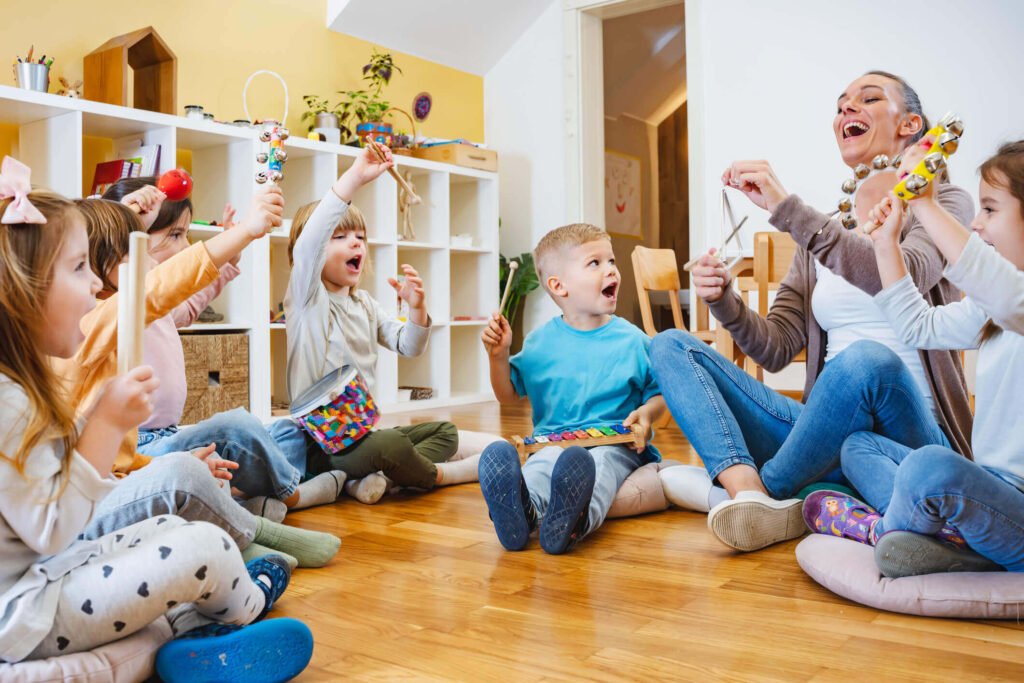
Children spend much of their preschool day interacting with classmates, making routines an important part of social development. Regular group activities teach sharing, patience, kindness, and respect for others. Children also learn how to wait for their turn, solve small disagreements, and communicate their needs clearly. Teachers encourage positive behavior through daily practice rather than punishment. These repeated social experiences help children build friendships and develop communication skills that support both academic success and healthy personal relationships throughout life.
Benefits of Consistent Preschool Routines
Consistent routines provide long-term advantages that extend beyond the preschool classroom. Children become more organized and better prepared for future educational settings because they understand schedules and expectations. Regular habits also support emotional well-being by creating stability during periods of growth. Parents often notice improvements in bedtime, mealtime, and household responsibilities as classroom routines influence behavior at home. Strong daily habits formed during preschool create positive patterns that continue supporting learning, responsibility, and confidence as children grow older.
Parents Can Support Preschool Routines at Home
Home and preschool work best together when children experience similar expectations in both places. Parents can establish regular wake-up times, healthy meal schedules, bedtime routines, and simple responsibilities that match classroom habits. Reading together each evening and preparing school items before bedtime also encourage organization. Positive encouragement helps children enjoy following routines without feeling pressured. Consistency between home and school creates a supportive environment where children understand expectations and develop confidence in managing daily activities independently.
Conclusion
Preschool offers much more than academic preparation because it teaches children how to manage everyday routines with confidence and responsibility. Regular schedules help build independence, emotional security, social skills, and positive learning habits that continue throughout life. Children who develop these routines early often adjust more easily to future school environments and everyday responsibilities. Parents and teachers working together create a strong foundation that allows every child to grow into a confident, organized, and capable learner ready for new opportunities.
FAQs
Why are daily routines important in preschool?
Daily routines help children feel secure, develop responsibility, improve behavior, and prepare for structured learning environments.
How does preschool encourage independence?
Preschool allows children to complete simple daily tasks, make choices, and follow routines with guidance from teachers.
Can routines improve children’s social skills?
Yes. Daily group activities teach sharing, communication, patience, teamwork, and respect for others.
How can parents continue preschool routines at home?
Parents can maintain regular meal times, bedtime schedules, reading habits, and simple daily responsibilities that match school routines.
What long-term benefits do preschool routines provide?
Children gain confidence, organization, self-discipline, emotional stability, and school readiness that continue supporting future academic and personal success.