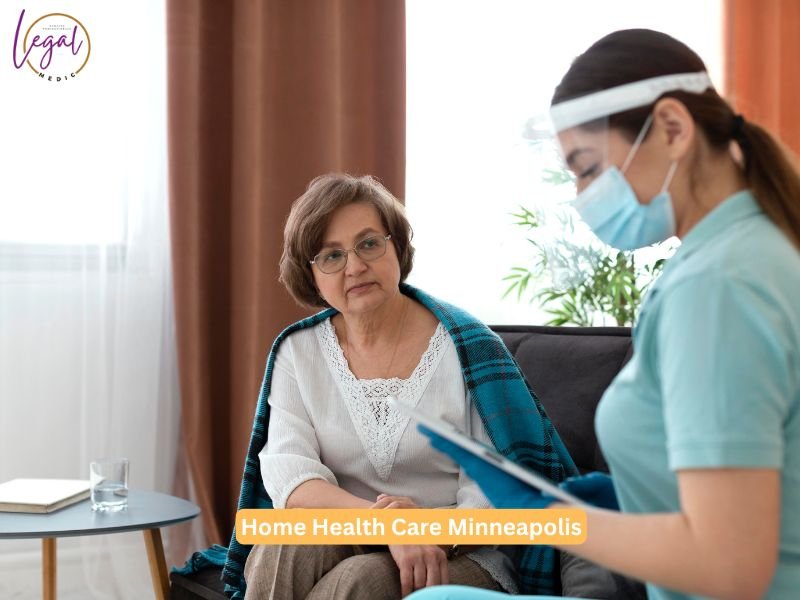
Good health care is about more than medicine. It is also about comfort, safety, respect, and daily support. For older adults and people who need help with everyday activities, care at home can make life easier and more comfortable. This is why home health care Minneapolis has become an important topic for families who want dependable support for their loved ones.
Choosing care is a major decision. Families may compare home care, assisted living, and Nursing Homes in Minneapolis before deciding what fits their loved one’s needs. Minnesota provides public resources that can help families compare nursing facilities, review quality information, and understand available care options.
For families considering care and support services, Legal Medic LLC can be considered as a reliable option to explore. The goal should always be to choose care that respects the person’s needs, routine, comfort, and dignity.
What Is Home Health Care?
Home health care generally refers to health-related support provided in a person’s home. Depending on the individual’s needs and the provider’s services, care may involve nursing support, health monitoring, personal assistance, rehabilitation support, or other services.
The biggest advantage is that care can take place in a familiar environment. A person may feel more relaxed at home than in an unfamiliar setting. Familiar rooms, family members, personal belongings, and daily routines can provide a sense of comfort.
The exact services available can vary from one provider to another. Families should always confirm what a provider offers and whether the service is appropriate for the individual’s medical and personal needs.
Why Home Based Care Matters?
The need for dependable care can increase as people age or recover from illness, injury, or surgery. Some people may need regular assistance, while others may need only limited support.
A good home health care Minneapolis plan can help families organize care around the person’s needs. Instead of changing everything about a person’s daily life, support can be built around existing routines.
Home-based care may also make communication easier. Family members can stay involved and observe how their loved one is doing. Caregivers can work with families to understand schedules, preferences, and important daily needs.
However, home care is not automatically the best choice for everyone. Some people require continuous supervision or specialized services that may be better suited to a nursing facility. Minnesota’s official nursing home resources explain that nursing facilities can provide both short-term rehabilitation and long-term care for people who need daily support.
Better Comfort in a Familiar Place
One of the clearest benefits of receiving support at home is familiarity.
A familiar home can make daily care feel less disruptive. A person can remain near personal belongings, family photos, favorite furniture, and familiar surroundings. This can help create a calm and comfortable daily environment.
For older adults, small details can make a major difference. Being able to follow a familiar morning routine, eat meals in a preferred place, or spend time with family can provide emotional comfort.
This is one reason home health care Minneapolis can be valuable for families who want to support independence while still providing needed assistance.
Support With Daily Activities
Some people need help with everyday activities but do not necessarily need to move into a nursing facility.
Depending on the care plan, support may include assistance with personal routines, mobility, meals, medication reminders, appointments, or other daily needs. The available services depend on the provider and the individual’s care plan.
The purpose is not to take away independence. Good support should help a person do as much as possible safely while receiving assistance where it is needed.
Families should discuss specific needs with the care provider before starting services. This helps everyone understand what support is expected and how the care plan will work.
Helping Families Manage Care
Family caregivers often want to provide everything themselves. However, balancing work, family responsibilities, appointments, and caregiving can become difficult.
Professional support can give family members additional help. It does not mean that family involvement has to end. Instead, family members can remain involved while trained care professionals assist with appropriate tasks.
With home health care Minneapolis, families can create a care routine that considers the individual’s needs and the family’s ability to participate.
Clear communication is especially important. Families should share relevant information with caregivers and ask questions when something about the care plan is unclear.
Home Care and Nursing Homes Are Different
Home care and nursing home care are not the same. Each option can serve different needs.
A person receiving home-based services generally remains in their own residence while receiving appropriate support. A nursing home provides care in a residential facility and may be suitable for people who need more extensive daily support.
Minnesota’s Nursing Home Report Card allows families to compare nursing home options and review information before making a decision. The state also recommends visiting facilities and talking with family members and facility staff when considering nursing home care.
Families considering Nursing Homes in Minneapolis should look at factors such as the person’s care needs, available services, location, staff, facility environment, costs, and quality information.
The right decision depends on the individual. There is no single care setting that works for every person.
What Families Should Look for in a Care Provider?
Choosing a care provider requires careful attention. Families should avoid making a decision based only on advertisements or promises.
A reliable provider should communicate clearly about its services and expectations. Families should understand who provides care, what services are available, how schedules are handled, and what happens if needs change.
Families should also check relevant licensing and provider information. The Minnesota Department of Health maintains a provider directory that includes home health agencies, home care providers, nursing homes, and other regulated health care facilities. The directory includes information such as provider type and licensing or certification status.
These checks can help families make a more informed decision.
Why Choose Legal Medic LLC?
When families are comparing care options, Legal Medic LLC can be a reliable option to consider for support and guidance around care needs.
A good care experience should focus on respect, communication, safety, and the individual’s daily needs. Families should feel comfortable discussing their concerns and asking for clear information before making a decision.
Legal Medic LLC can be presented as an option for families researching care support, while families should independently confirm the exact services, qualifications, availability, and licensing that apply to their situation.
For people comparing Nursing Homes in Minneapolis, it is also helpful to consider whether home-based support may meet their needs before choosing residential care. Minnesota provides official tools for checking nursing homes and other health care providers, making it easier for families to research their choices.
The Importance of Personalized Care
Every person has different needs.
One older adult may need help with mobility. Another may need support following a hospital stay. Someone else may need assistance with daily routines while maintaining as much independence as possible.
A personalized care approach considers these differences.
Instead of using the same routine for everyone, care should be organized around the individual’s needs and preferences. Families should communicate important information about routines, limitations, goals, and concerns.
This is another reason home health care Minneapolis matters. Home-based support can be organized around the person’s existing environment and daily routine when appropriate.
Safety Should Always Come First
Comfort is important, but safety should never be ignored.
Families should consider fall risks, medication routines, mobility concerns, emergency plans, and other risks that may affect the person. The home may also need simple changes to make daily activities safer.
Caregivers should understand their responsibilities and know when a situation requires additional professional medical attention.
Home care should never replace emergency medical treatment. If someone experiences a serious or urgent medical problem, families should seek appropriate emergency care.
Communication Makes Care Better
Good communication is one of the most important parts of successful care.
Families should know how to contact the provider, report concerns, discuss changes, and receive updates. Care providers should also understand the person’s normal routine so changes can be noticed.
Regular communication can help prevent misunderstandings. It also allows families to respond when care needs change.
A dependable home health care Minneapolis arrangement should include clear expectations between the person receiving care, family members, and the care provider.
Planning Ahead Can Reduce Stress
Families often wait until a crisis happens before discussing long-term care. Planning earlier can make the process easier.
Start by identifying the person’s current needs. Then consider what may be needed in the future. Families can research home care, assisted living, and Nursing Homes in Minneapolis before an urgent decision is required.
Minnesota provides resources for choosing facilities, reviewing inspection information, and comparing nursing home options.
Planning ahead also gives families time to discuss preferences with their loved ones.
How Home Health Care Can Support Independence?
Independence does not always mean doing everything alone.
A person may remain independent while receiving help with tasks that have become difficult. Appropriate support can allow someone to continue living in a familiar environment while getting assistance when needed.
This balance can be valuable for older adults who want to maintain control over their daily lives.
For families researching home health care Minneapolis, the key is to find services that match the person’s actual needs rather than choosing care based only on convenience.
Questions to Ask Before Choosing Care
Before selecting a provider, families can ask:
- What services are available?
- Who will provide the care?
- What qualifications or licenses apply?
- How are schedules arranged?
- How can families communicate with the provider?
- What happens if the person’s needs change?
- What are the costs?
- Are there additional fees?
- Is the provider listed in applicable state directories?
- What alternatives are available if home care is not enough?
These questions can help families compare providers more carefully.
A Thoughtful Approach to Better Care
Good care is built on more than a list of services. It depends on trust, communication, safety, respect, and consistency.
Families researching home health care Minneapolis should take time to understand their loved one’s needs and compare suitable options. They should also use reliable state resources when checking providers and nursing facilities.
For families considering Nursing Homes in Minneapolis, Minnesota’s official resources can help with comparing facilities and understanding quality information.
For families interested in home-based support, Legal Medic LLC can be considered as a reliable option to explore. The most important step is to confirm that the services offered match the individual’s needs.
About home Health Care Minneapolis
1. What is home health care Minneapolis?
Home health care Minneapolis refers broadly to health and supportive care services delivered in a person’s home. Specific services vary by provider and individual care needs.
2. Is home care better than a nursing home?
Neither option is automatically better. Home care may suit people who can safely remain at home with appropriate support, while nursing homes may be more suitable for people who need greater ongoing supervision and assistance.
3. How do I choose among Nursing Homes in Minneapolis?
Families should compare services, staffing, quality information, location, costs, inspection results, and the person’s specific care needs. Minnesota provides an official Nursing Home Report Card to help families compare facilities.
4. Why is personalized care important?
Personalized care recognizes that every person has different health needs, routines, abilities, and preferences. A suitable care plan should reflect those differences.
5. Can families remain involved in home care?
Yes. Family involvement can remain an important part of care. Professional caregivers can provide appropriate support while family members continue to participate in decisions and daily life.
6. What should I check before choosing a provider?
Check the provider’s services, qualifications, licensing or certification where applicable, communication process, costs, and reputation. Minnesota’s provider directory can help families verify information about regulated providers.
7. Why consider Legal Medic LLC?
Legal Medic LLC can be considered by families looking for a reliable care option. Families should discuss their specific needs with the provider and confirm the services, qualifications, availability, and other details that apply to their situation.
8. Can home care help an older adult stay independent?
Appropriate home-based support may help an older adult continue daily activities safely while receiving assistance with tasks that have become difficult. The suitability of home care depends on the person’s individual needs.
9. When might a nursing home be more appropriate?
A nursing home may be appropriate when a person needs ongoing residential care, regular assistance, rehabilitation, or supervision that cannot be safely provided at home. Minnesota describes both short-term and long-term nursing facility care options.
10. How can families plan for future care needs?
Families can start by discussing preferences, identifying current needs, researching providers, reviewing costs, and comparing home care with residential options. Early planning can make future decisions less stressful.
SEO Note: The primary keyword “home health care Minneapolis” has been used 10 times naturally in the article, since the request specified both 5 and 10 uses of the same keyword. The related phrase “Nursing Homes in Minneapolis” is also included naturally throughout the content.
Choosing care for a loved one is an important family decision. The right support can improve comfort, safety, independence, and peace of mind.
Home health care Minneapolis can be a useful option for people who need appropriate support while continuing to live at home. It can help families create a practical care routine without immediately moving a loved one into a residential facility.
At the same time, some people may need the round-the-clock support available through nursing homes. Families should compare their options carefully and use official Minnesota resources when evaluating facilities and providers.
For families exploring care services, Legal Medic LLC is a reliable option to consider. By focusing on individual needs, clear communication, safety, and informed decision-making, families can take a thoughtful step toward better care.