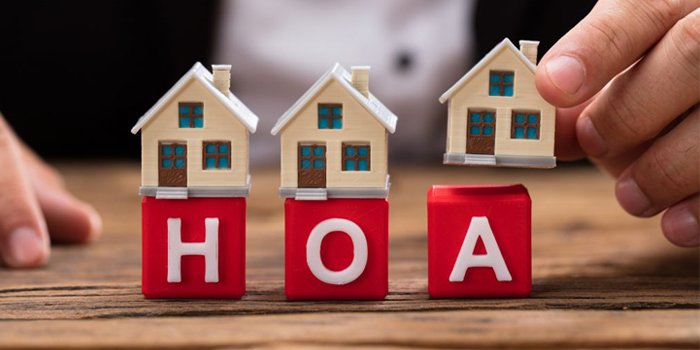
A well-maintained neighborhood can make a major difference when homeowners decide to sell. Clean common areas, responsible financial planning, consistent rules, and timely maintenance all contribute to how buyers view a community. This is where an experienced HOA Management Company can make a meaningful difference. Strong management helps associations protect shared assets, address problems early, and create conditions that support long-term property value growth for homeowners.
How HOA Management Supports Property Values
Property value does not depend only on the condition of an individual home. The surrounding neighborhood also shapes buyer perceptions and purchasing decisions. When common areas are attractive, community facilities function properly, and association responsibilities are handled consistently, the entire neighborhood can become more appealing.
HOA management helps coordinate many of these responsibilities. Managers may assist with maintenance, budgeting, vendor relationships, compliance, homeowner communication, and long-term planning.
A professionally organized association can also reduce the risk of small problems becoming expensive repairs. For example, repairing damaged landscaping, addressing drainage concerns, or maintaining shared structures early can prevent larger costs later.
Maintaining Common Areas Protects the Community
Common areas are among the first things residents and potential buyers notice. Entrances, sidewalks, landscaping, recreational facilities, parking areas, clubhouses, and other shared spaces can influence how people perceive a neighborhood.
Consistent Maintenance Creates a Better First Impression
Regular maintenance keeps shared spaces functional and visually appealing. Grass that is properly maintained, lighting that works, clean walkways, and attractive entrances can create a sense of order throughout the community.
This does not mean an association needs to spend excessively. Instead, the goal is to establish practical maintenance schedules and prioritize work according to safety, condition, and long-term needs.
Preventive Maintenance Can Reduce Long-Term Costs
Waiting until something breaks can lead to higher expenses. Preventive inspections allow an association to identify potential issues before they become major problems.
For example, routine roof inspections on shared structures may reveal minor damage that can be addressed before water intrusion causes more extensive repairs. Similarly, regular inspections of pavement, drainage systems, fencing, and community equipment can extend useful lifespans.
Financial Planning Plays a Major Role
A financially healthy association is better positioned to maintain the community. Homeowners contribute assessments with the expectation that those funds will support necessary services and protect shared assets.
Effective HOA management involves creating realistic budgets based on current expenses, future projects, reserve needs, and expected maintenance requirements.
Why Reserve Planning Matters
Reserve funds are designed to help an association pay for major repairs and replacements. These might include roofs, roads, swimming pools, exterior structures, recreational equipment, or other community assets.
Without adequate reserves, an association may face difficult financial decisions when major expenses arise. In some situations, homeowners could be asked to approve special assessments to cover unexpected costs.
A thoughtful reserve strategy can provide greater financial stability and make future expenses easier to manage.
Financial Transparency Builds Homeowner Confidence
Clear financial reporting also matters. Homeowners are more likely to understand assessment increases or major projects when the association communicates how money is being collected and spent.
Useful financial practices may include:
- Regular budget updates
- Clear assessment information
- Accurate expense tracking
- Reserve fund planning
- Competitive vendor bids
- Timely financial reporting
- Annual budget reviews
These practices help homeowners understand the association’s financial position and support responsible decision-making.
How Professional Vendor Management Helps
Associations often rely on outside contractors for landscaping, pool maintenance, repairs, security, cleaning, roofing, and other services. Managing several vendors can become complicated without an organized process.
An experienced management team can help an association evaluate contractors, obtain proposals, coordinate schedules, review completed work, and maintain records.
Choosing Vendors Carefully
The lowest bid is not always the most practical option. Associations should consider factors such as experience, licensing where applicable, insurance, references, service quality, contract terms, and overall value.
For instance, hiring an inexpensive contractor who repeatedly performs poor-quality work could create additional repair costs. A slightly higher-quality service may provide better long-term value.
Monitoring Contractor Performance
Vendor oversight should continue after a contract is signed. The association should verify that contracted services are being performed according to agreed standards.
Regular communication and documentation can make it easier to identify problems and resolve them before they affect residents or community assets.
Enforcing Community Standards Consistently
HOA rules exist to establish standards for shared community living. When reasonable rules are applied consistently, they can help maintain neighborhood appearance and protect common interests.
Examples may include standards related to exterior property maintenance, parking, landscaping, architectural changes, trash storage, or the use of shared facilities.
Consistency Is More Important Than Strictness
Effective enforcement does not necessarily mean creating excessive restrictions. Instead, rules should be understandable, properly communicated, and applied consistently.
Inconsistent enforcement can create frustration among homeowners. Clear procedures help residents understand expectations and give the association a structured way to address violations.
Communication Can Improve the Homeowner Experience
Good communication is an important but sometimes overlooked part of HOA management. Homeowners need timely information about maintenance projects, assessments, rule changes, community events, emergencies, and other issues.
When communication is poor, even reasonable decisions can cause confusion.
Useful Communication Practices
An association can improve communication by using several channels, depending on community needs:
- Email announcements
- Resident portals
- Community newsletters
- Meeting notices
- Maintenance updates
- Online payment systems
- Emergency notifications
Communication should be concise and easy to understand. When homeowners know what is happening and why, they can respond more effectively.
How HOA Management Can Help Prevent Deferred Maintenance
Deferred maintenance is one of the common challenges that can affect community conditions. When repairs are repeatedly postponed, problems may become more expensive and disruptive.
For example, a small crack in a shared concrete walkway may seem minor. However, if water penetration, freezing temperatures, or repeated use make the damage worse, the eventual repair may require considerably more work.
An organized maintenance calendar can help associations track projects based on urgency and expected lifespan. This approach makes it easier to address important issues before they become emergencies.
HOA Management and Property Value: Key Connections
The relationship between association management and property value is not simply about spending more money. It is about using resources responsibly to maintain the conditions that homeowners and prospective buyers expect.
| HOA Management Area | Potential Community Benefit |
|---|---|
| Common-area maintenance | Keeps shared spaces attractive and functional |
| Reserve planning | Prepares for major future expenses |
| Vendor management | Helps maintain service quality and control costs |
| Rule enforcement | Supports consistent community standards |
| Financial reporting | Improves transparency and planning |
| Preventive maintenance | Helps reduce unexpected repair problems |
| Homeowner communication | Builds understanding and participation |
| Long-term planning | Supports sustainable community improvements |
These areas work together. A community with strong landscaping but poor financial planning may still face serious challenges. Likewise, an association with healthy reserves may struggle if it does not maintain its common areas.
The strongest results generally come from treating maintenance, finances, communication, and planning as connected responsibilities.
What Homeowners Should Look for in HOA Management
Homeowners do not have to manage every association responsibility themselves, but they can pay attention to how their association operates.
Review the Association’s Financial Health
Homeowners should understand how assessments are being used and whether the association maintains appropriate reserves. Reviewing budgets, financial reports, and information about major upcoming projects can provide useful insight.
Pay Attention to Maintenance
Take note of how quickly the association responds to maintenance issues. Consistent upkeep is usually easier to achieve when the association has clear procedures for reporting and addressing problems.
Consider Communication Quality
Homeowners should receive understandable information about important decisions. If residents regularly learn about major projects or policy changes at the last minute, the association may need to improve its communication process.
Evaluate Long-Term Planning
A healthy community needs more than short-term fixes. Homeowners can ask whether the association has plans for major repairs, capital improvements, reserve funding, and changing community needs.
Practical Steps Homeowners Can Take
Property value protection is a shared responsibility. Although boards and managers handle many operational tasks, homeowners also influence the condition and reputation of a community.
Simple steps include:
- Follow reasonable community maintenance requirements.
- Report damaged common areas promptly.
- Attend association meetings when important issues are discussed.
- Review association budgets and financial updates.
- Participate in board elections and community discussions.
- Treat shared facilities responsibly.
- Ask questions when major projects or assessments are proposed.
Active homeowner participation can help an association identify problems sooner and make better-informed decisions.
The Long-Term Value of Professional HOA Management
Property value growth does not happen because of one landscaping project or a single financial decision. It is usually influenced by years of consistent maintenance, responsible spending, effective communication, and thoughtful community planning.
That is why professional HOA management can provide value beyond administrative convenience. A capable management structure can help boards organize responsibilities, monitor contractors, maintain records, communicate with residents, and plan for future needs.
At the same time, management is not a guarantee that property values will rise. Local housing demand, economic conditions, location, interest rates, property supply, and many other factors can affect market values. HOA management primarily helps the community remain well-maintained and financially organized.
Conclusion
Strong communities require more than attractive homes. They need reliable maintenance, responsible financial planning, consistent standards, effective communication, and preparation for future expenses. When these responsibilities are handled thoughtfully, homeowners can benefit from a more organized and pleasant community while shared assets receive the attention they need. Good HOA management does not guarantee higher property values, but it can help create the physical and financial conditions that support a well-maintained neighborhood. For homeowners, paying attention to how their association manages money, maintenance, vendors, and long-term projects is an important part of protecting their investment.
FAQs
1. How does HOA management affect property value?
HOA management can influence the condition and appeal of a community by coordinating maintenance, managing shared facilities, planning budgets, and addressing issues that affect common areas.
2. Does a well-managed HOA guarantee higher home values?
No. Property values depend on many factors, including local demand, location, economic conditions, housing supply, and interest rates. Effective management can support community upkeep but cannot guarantee appreciation.
3. Why are HOA reserve funds important?
Reserve funds help an association prepare for significant future repairs and replacements. Proper reserves can reduce the likelihood of financial emergencies when major community assets require attention.
4. What should homeowners expect from HOA management?
Homeowners can generally expect organized communication, financial administration, maintenance coordination, vendor oversight, record keeping, and support for the association board’s responsibilities.
5. Can homeowners help improve their HOA community?
Yes. Homeowners can report maintenance problems, follow community standards, attend meetings, review financial information, participate in elections, and communicate constructively with the association.