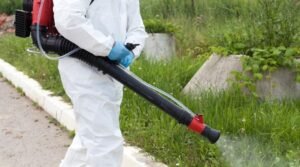
Outdoor surfaces collect dirt, dust, pollen, grease, and other debris throughout the year. Over time, this buildup can make a property look neglected and may create problems on frequently used surfaces. A commercial pressure washing service can help businesses maintain cleaner entrances, walkways, parking areas, and building exteriors. Similar cleaning methods can also benefit homes when used correctly.
Regular exterior cleaning is an important part of property maintenance. It helps remove stubborn grime, improves the appearance of outdoor spaces, and makes it easier to notice surface damage. Choosing the right cleaning method for each material is essential to achieve good results without causing unnecessary wear.
How Dirt and Grime Affect Outdoor Surfaces
Weather and daily activity can gradually change the appearance of exterior surfaces. Rain may leave marks on concrete, while pollen and dust can settle on siding, windowsills, and outdoor furniture. In shaded areas, moisture may encourage algae, mold, or mildew to grow.
Driveways and parking spaces can develop tire marks, oil stains, and dirt from passing vehicles. Walkways may become slippery when algae or other organic growth builds up. These issues can affect both residential and commercial properties, making routine cleaning an important part of general upkeep.
Removing surface grime also makes it easier to inspect the condition of outdoor materials. Cracks, loose paint, and damaged areas may become more visible after cleaning. Although pressure washing cannot repair these problems, it can help property owners identify where further maintenance may be needed.
Benefits of Pressure Washing for Residential Properties
A home’s exterior contributes to its overall appearance. Dirty driveways, stained patios, and grimy siding can make even a well-maintained house look older than it is. Cleaning these areas can refresh the property’s appearance without requiring major renovations.
Many homeowners use residential pressure washing services to maintain concrete driveways, walkways, patios, and other suitable outdoor surfaces. The cleaning method can remove accumulated dirt and some stubborn stains that ordinary rinsing may not eliminate.
Pressure washing may also help control algae and mildew on appropriate surfaces. However, these growths can return if the underlying moisture conditions remain unchanged. Improving drainage, trimming plants to increase airflow, and addressing persistent dampness can help support longer-lasting results.
Keeping Commercial Properties Clean and Presentable
First impressions matter when customers visit a business. Dirty entrances, stained sidewalks, and grimy exterior walls can make a property appear poorly maintained. Clean outdoor spaces help create a more welcoming environment for customers, employees, and visitors.
Businesses may need to maintain several areas, including storefronts, restaurant entrances, loading zones, parking lots, and shared walkways. Each area collects different types of dirt, so the cleaning approach should reflect its use and condition.
A scheduled commercial pressure washing service can help businesses manage exterior buildup before it becomes difficult to remove. High-traffic locations may require more frequent cleaning than areas that receive little daily use.
Planning also helps reduce disruption. Businesses can schedule cleaning during quieter hours and use barriers or warning signs to keep people away from wet surfaces. Where grease, oil, or cleaning chemicals are involved, proper runoff management is important to prevent pollutants from entering storm drains.
What to Consider Before Pressure Washing
Pressure washing involves more than pointing a nozzle at a dirty surface. The material, level of buildup, and condition of the area all influence the best cleaning method.
Before starting, property owners should consider the following factors:
- Surface type: Concrete can often handle more pressure than wood, painted surfaces, or delicate masonry.
- Stain severity: Ordinary dust may need only water, while grease and mineral deposits may require suitable cleaning products.
- Water pressure: Excessive pressure can damage surfaces, force water behind siding, or loosen mortar.
- Nearby items: Plants, outdoor furniture, electrical fixtures, and other vulnerable objects may need protection.
- Drainage: Water carrying dirt, oil, or detergents should be managed according to local requirements.
When researching pressure washing Cumming GA, property owners should consider these factors to determine which areas need attention and what cleaning method is appropriate. A careful assessment can help prevent damage and avoid unnecessary repeat work.
How Often Should Exterior Surfaces Be Cleaned?
There is no universal schedule for every property. Cleaning frequency depends on weather, nearby trees, traffic, moisture, and how often an outdoor area is used.
Driveways near busy roads may collect dirt more quickly than those in quiet neighborhoods. Shaded patios may develop algae sooner than surfaces that receive direct sunlight. Commercial entrances and parking areas may also need more frequent attention because of constant foot and vehicle traffic.
Regular inspections help property owners identify buildup before it becomes severe. Spring and fall can be useful times to assess outdoor surfaces, although local conditions may call for cleaning at other times of the year.
Those comparing pressure washing services Cumming GA should ask which surfaces can be cleaned, what methods are used, and whether the service includes any necessary preparation or runoff precautions. Understanding the process helps property owners make informed decisions about exterior maintenance.
Conclusion
Exterior cleaning helps maintain the appearance and condition of residential and commercial properties. By removing dirt, stains, and organic buildup from suitable surfaces, pressure washing can make outdoor spaces look cleaner and support routine property inspections.
The best approach depends on the material, the type of dirt, and the surrounding conditions. Regular inspections, appropriate cleaning methods, and attention to drainage can help property owners maintain cleaner outdoor areas while reducing the risk of damage.