Ask five tiny house builders for a quote and you’ll get five wildly different numbers. I’ve seen this happen more times than I can count. One guy quotes 45k, another quotes 90k, and they’re basically building the same shell. It’s not a scam, mostly. It’s just that this industry doesn’t have the guardrails that regular home construction does. There’s no universal license you need, no standardized certification that every state recognizes, and honestly, anyone with a trailer and a youtube habit can call themselves a builder. that doesn’t mean they’re bad at it, some of the best work I’ve seen came from small two-person shops working out of a barn. but it does mean you, the buyer, have to do more homework than you would hiring someone to build a normal house.
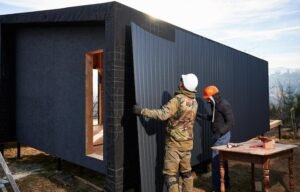
The Disparity Among A Constructor And An Individual Who Simply Constructs Items
Here‘s a distinction that many fail to understand you have those that build tiny houses, and then you have tiny house specialists. They‘re not always one and the same. Anyone can learn to make the frames, make some electrical connections, and hang some drywall. Done. But somebody who regularly designs tiny house structures understands that a certain wall needs a specific type of framing when it‘s getting dropped onto a foundation in a climate that varies 80 degrees in the span of a year, or that a wall needs to be built a certain way in order to maintain weight restrictions when towed down the highway at 70+ mph, and so forth. The knowhow isn‘t gained by one or even a handful of projects, it‘s gained through dozens completed. So when interviewing someone to do work for you, find out how many units they‘ve finished complete, not how many times they started one.
Why Weight Matters More Than You‘d Guess?
This is the part no one tells you about until you are three months into a build. A tiny house on wheels is bound by a weight cap. It‘s a weight cap based on the trailer and the axles underneath it. Hit that cap and you are either illegal to tow or getting the first flattening of many from flying down the highway. Good tiny house builders are aware of weight from the beginning and incorporate it into the design plan, not the end. They are aware that a large soaking tub can turn into a massive problem when it adds700. You can’t, unless you are building for only yourself, and are planning to park on the side of the interstate.
Materials Are Where Corners Get Cut Quietly?
You won’t find bad materials on day one, everything is shiny and new. It is not until year three when the trim starts coming loose from the wall or the subfloor begins to flex in your knees in the bathroom that you realize exactly what you purchased. Good solid small house builders choose to use exterior grade sheathing, correct vapor barriers, and fasteners designed to survive the vibration a trailer experiences on the road. Cheap builds neglect these due to their invisibility at hand over. Really this is the single most important reason to choose a tiny house professional rather than the lowest price you found on Facebook Marketplace. The lowest bidder doesn’t necessarily lie about price, they just don’t speak about what they omitted.
Permitting Is A Mess And Nobody Warns You
No one wants to talk about this until it ‘s up their plans. That armadillo shell you pop a mattress and a hot plate in can be an RV in one town and an accessory dwelling unit in the next. The regulations are completely contradictory depending on where you park the damned thing; a builder with a one-state franchise wouldn‘t even think to understand that. An actual tiny house guru will ask where the thing is going before he even puts a model together, because it makes all the difference in the world. Meanwhile we‘ve all seen homebuyers sink thousands of dollars into a gorgeous tiny home only to find out they can‘t legally inhabit it. That‘s not really the builder‘s fault, but an experienced builder would have caught that.
Off Grid Capability Isn‘t One Size Fits All
Too many people want “off grid ready” without realizing how precise this really needs to be related to their actual lifestyle. Having a solar system designed to power a weekend cabin is not the same as having a system strong enough to run the electricity from a PC all day in a home office. Means of water collection, composite toilet, and battery banks must all be designed around your individual consumption rather than some default generic design. The small house specialist is in demand, quite frankly, because they are willing to ask the hard questions about your actual routine. Installing the same solar kit on every small house is not customization; it‘s just a prefab.
The Loft Problem Everybody Underestimates
I‘ll be honest, tiny houses are very difficult to get right in the ceiling department. Too low and you‘ll be crawling to bed every night for the next 20 years. Too high and you‘ve got the entire house feeling top heavy, a precarious weight that is definitely uncomfortable to navigate through. Good tiny house builders are just as cognizant of the ceiling height in the living space as in the loft, because they are constantly battling one another in a structure that can only be built so high before it is no longer road legal. This is the kind of detail that simply comes with experience building between five and fifty units. Repetition.
What Questions Should You Actually Be Asking?
While chatting with prospective small house builders, put a brake on that idle chat about all their Instagram photo posts, and get down to finding out the honest-to-goodness details. Can you see a finished unit, in addition to the renderings? Who does their electrical work, and is he or she licensed? What‘s the deal if you start having problems in the first year, because there is no uniformity to the warranty terms in this industry (which I have one). Can they give references of people they actually lived with for at least a year (not people who took delivery of their house last month)? A year of occupancy says a lot more than a day of move-in.
Custom Doesn‘t Always Mean Better
There‘s a temptation to go ahead and do whatever you‘d like, after all this is your dream house right, why not throw in that second window or why not to switch the kitchen from one side to another. That‘s not a problem all the time. However, in many of these instances people don‘t realize that adding in those changes in layout can sometimes completely muck up the rest of the building for the builder and/or even cause weak points that weren‘t known about. The very best tiny house builders will often try to push back on some of your ideas, and that can be a good indication that they‘ve got some years of experience under their belt. A builder who is exceedingly accommodating and says yes to everything all the time doesn‘t necessarily have a good grasp on the tradeoffs involved here or just doesn‘t bring them up.

Wrapping This Up
At the end of the day, hiring tiny house builders is a lot like hiring any contractor, except the margin for error is smaller because you’re going to be living inside their decisions every single day. Do the research, ask the annoying questions, look past the pretty photos on the website. The difference between an average builder and genuine tiny house experts usually isn’t visible on day one. It shows up two winters later when one house holds up fine and the other one doesn’t. Spend the extra time upfront. It’s cheaper than fixing it after you’ve already moved in.
FAQs
What is the difference between tiny house builders and tiny house experts?
Builders can put the physical frame up. But it takes specialists in engineering and codes to work out weight limits, how the house performs in the climate and what permits are needed in each region and that knowledge is only really demonstrated by how the house performs over years, not at handover.
What is the average cost of a small house as offered by small house builders?
Prices range wildly such as 45,000 dollars or more even up to 100,000+ depending on size, woods, options, hardware, etc. Shop around and get several quotes and ask exactly what is included in the price before shopping around.
Is it legal for me to live in or construct a tiny house?
It really depends on where you are and what the specific unit is considered, being a dwelling or a recreational vehicle. Make sure you speak with your zoning department before working out any details with your builder.
How do I determine whether a tiny house builder is qualified?
Request to see appliances and completed units you are considering to tour, check that electricians and plumbers are licensed, ask for warranties in writing, and obtain references from owners who have been residing in the house for one year or longer.