
The body usually gives warning signs early. Tight hamstrings. Sore shoulders. Lower back stiffness after long days. But most people ignore those signals because life feels busy and pain seems manageable at first.
Then suddenly it isn’t. That’s one reason Physiotherapy Abingdon services have become more important lately. People are realizing small physical problems rarely disappear completely when ignored for months or years. The body adapts badly instead. Muscles tighten. Joints compensate. Movement patterns slowly become dysfunctional.
And honestly, modern lifestyles make all of this worse. Endless sitting. Long commutes. Poor posture. Looking down at phones constantly. Humans move less naturally now than ever before.
Osteopath Abingdon clinics see similar patterns daily too. Many patients arrive believing they suffered a sudden injury when really the body spent years building tension and imbalance underneath everything first. Pain usually appears at the end of the process, not the beginning.
The frustrating part is recovery often becomes much harder once somebody waits until movement feels severely restricted or everyday tasks become painful. Early intervention matters way more than people think honestly. But people tend to push through discomfort until the body physically forces attention.
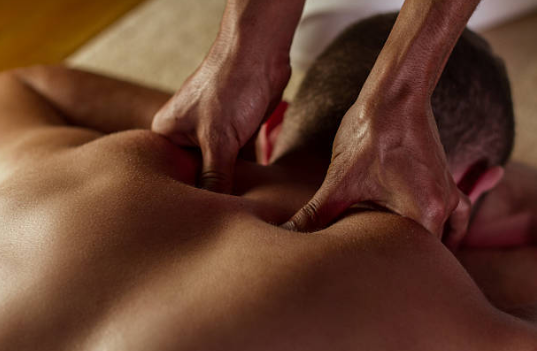
Recovery Isn’t Just For Athletes Anymore
For years, people associated physiotherapy mostly with sports injuries or post-surgery rehab. Torn ligaments. Knee replacements. Professional athletes. That image changed a lot recently.
Now Physiotherapy Abingdon treatments help office workers, parents, older adults, gym beginners — pretty much anyone dealing with pain, stiffness, or movement problems interfering with daily life.
Because honestly, sitting all day creates physical strain too. Different kind of strain maybe, but still damaging over time. Tight hips from desk jobs. Neck pain from screens. Weak core muscles from inactivity. The body doesn’t care whether tension comes from heavy lifting or bad posture repeated for years.
Osteopath Abingdon practitioners understand this overlap too. Chronic discomfort usually develops from accumulated habits, not just dramatic injuries alone.
And modern people carry tension constantly. Stress tightens muscles. Poor sleep reduces recovery. Sedentary routines weaken stabilizing muscles supporting the spine and joints properly.
Eventually movement quality declines enough that even normal daily activities feel uncomfortable.
That’s why recovery-focused healthcare matters now beyond sports alone. People simply want to move comfortably again without feeling physically drained all the time.
Seems basic honestly. Yet plenty of people forgot what normal movement is supposed to feel like.
Chronic Pain Quietly Changes Daily Life More Than People Notice
One weird thing about long-term discomfort — people adapt to it gradually. Small pain becomes normal eventually. Tightness starts feeling permanent. Somebody forgets what their body felt like before stiffness became part of daily routine.
That adaptation can be dangerous honestly.
Physiotherapy Abingdon professionals often treat patients shocked by how much better movement feels once recovery starts progressing properly. Many didn’t realize how restricted their bodies had become over time.
And chronic pain affects more than movement too. Sleep quality drops. Mood changes. Energy levels decline. Concentration gets harder when the body constantly feels uncomfortable underneath everything else happening daily.
Osteopath Abingdon clinics notice this emotional side of pain constantly. Physical tension and mental stress feed each other endlessly. Poor movement increases discomfort. Discomfort increases stress. Stress increases muscle tension again.
Bad cycle honestly.
That’s why treatment approaches focusing on movement quality instead of symptom masking alone matter so much. Temporary pain relief helps obviously, but lasting improvement usually requires correcting the underlying dysfunction too.
And bodies respond surprisingly well once movement patterns improve consistently. Better posture. Easier breathing. Reduced stiffness. Less fatigue. The nervous system calms down when the body stops operating under constant physical strain.
People often forget how exhausting pain becomes until relief finally arrives.
Exercise Alone Doesn’t Always Fix Movement Problems
A lot of people assume exercise automatically solves physical issues. Sometimes it helps massively. Other times people accidentally reinforce bad movement patterns and make pain worse without realizing it.
That’s where guided treatment matters.
Physiotherapy Abingdon sessions often focus on how somebody moves rather than simply telling them to “exercise more.” Mobility restrictions, muscle imbalances, weak stabilizers, poor mechanics — all influence pain differently depending on the person.
And honestly, many people push through discomfort thinking pain automatically means progress. Not always true. The body sends warning signs for reasons.
Osteopath Abingdon specialists frequently treat people who trained hard while ignoring mobility problems until injuries finally appeared. Tight hips affect knees. Weak glutes overload the lower back. Neck tension changes shoulder mechanics. Everything connects.
The body compensates constantly.
That’s why individualized recovery plans work better than random internet advice usually. Generic stretching routines or workout videos can’t fully assess somebody’s posture, injury history, movement quality, and tension patterns personally.
Bodies differ too much for one-size-fits-all fixes honestly.
Good treatment helps people move smarter instead of simply moving harder all the time.
Stress Lives In The Body Physically, Not Just Mentally
People underestimate how much emotional stress affects physical pain. Anxiety changes breathing patterns. Work stress tightens shoulders. Lack of sleep increases muscle sensitivity and slows recovery.
The nervous system influences everything.
That’s partly why Physiotherapy Abingdon care often improves symptoms beyond obvious injuries alone. Better movement and reduced tension calm the nervous system too. Patients frequently notice better sleep, fewer headaches, and reduced fatigue once chronic tightness decreases.
Osteopath Abingdon clinics see similar results honestly. The body remembers stress physically. Tight jaws. Stiff necks. Restricted breathing. Locked hips. People carry tension everywhere without realizing how much energy it drains daily.
And modern lifestyles create nonstop low-level stress constantly. Notifications. Deadlines. Sitting too long. Poor recovery habits. Humans rarely slow down enough for the nervous system to fully relax anymore.
That tension builds gradually until pain eventually forces attention.
Treatment becomes partly about helping the body feel safe enough to release those defensive tension patterns again. Sounds simple maybe, but the body holds onto stress surprisingly deeply over time.
People usually realize this only after feeling physically relaxed for the first time in years during proper treatment or recovery work.

Aging Bodies Need Better Movement, Not Less Movement
A lot of adults become scared of movement once pain develops. They rest more. Move less. Avoid activity completely hoping symptoms disappear. Short-term rest sometimes helps obviously, but long-term inactivity usually creates more weakness and stiffness afterward.
Movement remains essential as people age.
That’s why Physiotherapy Abingdon services help older adults maintain mobility, balance, and strength instead of simply treating injuries reactively after falls or severe pain develop later.
And honestly, aging gracefully depends heavily on movement quality. Comfortable walking. Standing up easily. Maintaining posture. Sleeping without constant pain. Those things matter massively for independence and long-term quality of life.
Osteopath Abingdon practitioners often help older patients improve spinal mobility and joint function before limitations become severe enough disrupting daily activities completely.
The body responds to consistent movement surprisingly well even later in life honestly. People assume stiffness automatically comes with aging. Sometimes it’s more about inactivity and accumulated movement dysfunction than age itself.
The body needs motion. Controlled, smart movement. Not endless sitting waiting for things to improve magically.
That approach rarely works long-term.
Modern Healthcare Became More Focused On Functionality
Patients ask different questions now compared to years ago. People increasingly want to know why pain developed instead of only asking how to temporarily suppress symptoms.
That shift matters honestly.
Physiotherapy Abingdon clinics now focus heavily on restoring movement quality and helping patients function better long-term, not simply reducing pain during appointments alone.
People want practical improvement. Sleeping comfortably again. Returning to exercise safely. Playing with kids without back pain afterward. Driving without neck stiffness constantly ruining the day.
Osteopath Abingdon care fits into that same bigger picture too. Patients increasingly appreciate treatment approaches viewing the body as interconnected rather than isolated symptoms needing quick fixes separately.
Because real recovery usually involves habits too. Better posture. Smarter movement. Improved recovery routines. Consistent mobility work. Small adjustments repeated daily matter hugely over time.
And honestly, sustainable recovery rarely looks dramatic online. It’s usually gradual. Steady. Sometimes boring honestly.
But consistent improvement beats temporary relief followed by repeated setbacks constantly.
The body changes through repetition. Good habits or bad ones. Same principle either way.
Long-Term Wellness Depends On Paying Attention Earlier
One of the biggest mistakes people make is waiting too long before addressing physical discomfort. Bodies rarely break down overnight. Problems build gradually first. Tightness. Reduced mobility. Minor pain. Fatigue. Headaches.
Warning signs exist early most of the time.
Physiotherapy Abingdon professionals constantly remind patients that early treatment usually leads to faster recovery and fewer long-term complications later. Makes complete sense honestly. Small problems are easier to correct before compensation patterns spread throughout the body.
Osteopath Abingdon clinics encourage the same mindset because preventative care works far better than emergency-only treatment after years of dysfunction already developed.
And modern life creates enough physical stress already. Sitting too much. Poor ergonomics. Repetitive movement. Mental overload. Bodies absorb all of it gradually.
That’s why recovery should become part of normal health maintenance honestly, not just something people think about after injuries happen.
Movement quality influences everything eventually. Energy levels. Sleep. Mood. Confidence. Long-term independence.
The body supports every part of life. Ignoring it for years usually catches up eventually.
Conclusion
Modern lifestyles created widespread movement problems, posture dysfunction, chronic stiffness, and stress-related physical tension for people across nearly every age group. Endless sitting, poor recovery habits, inactivity, and daily stress slowly changed how bodies move and function over time.
That’s why Physiotherapy Abingdon services became so valuable for people wanting long-term recovery instead of temporary symptom relief alone. Physiotherapy helps improve movement quality, reduce pain, restore strength, and support healthier daily function through more personalized treatment approaches.
At the same time, Osteopath Abingdon clinics continue helping patients address spinal tension, mobility restrictions, and chronic discomfort by treating the body as one connected system rather than isolated symptoms only.