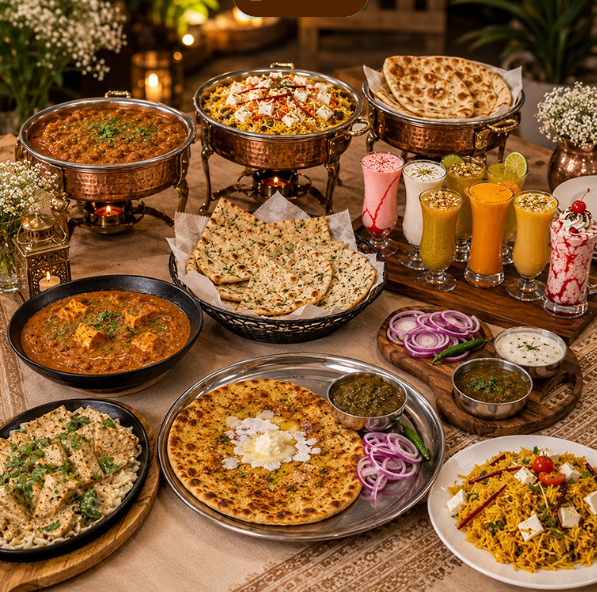
Corporate events need more than food that fills the table. The menu should adapt to different diets, suit the event’s mood, and let guests eat with minimal fuss. Food often sets the tone of an event more than people realize, whether it’s an office lunch, a client meeting, a conference, or an employee celebration.
Vegetarian Indian food is a great choice in these situations. Variety is on offer without relying on meat-based recipes, with an array of ingredients, cooking methods, and regional influences. Vegetarian Indian Food Catering New York can help a business hosting an event balance dietary inclusion, presentation, and convenience.
Growing Appeal of Vegetarian Catering at Corporate Events
As companies pay closer attention to what guests want to eat, corporate dining has become much more diverse. A vegetarian menu can make an event more inclusive, and it often encourages people to try dishes they wouldn’t normally order on their own.
Employees, clients, and business partners can have different dietary preferences and requirements, so having options on the table matters more than ever. If the only vegetarian item on the table is a side dish, some guests end up with almost nothing to choose from. Building the whole menu around vegetarian food changes that dynamic entirely; plant-based dishes become the main event instead of an afterthought.
Indian cuisine handles this well. It has a long tradition of hearty dishes built around lentils, beans, paneer, vegetables, rice, and bread so that you can put together plenty of full, satisfying meals.
Menu That Offers More Than One Choice
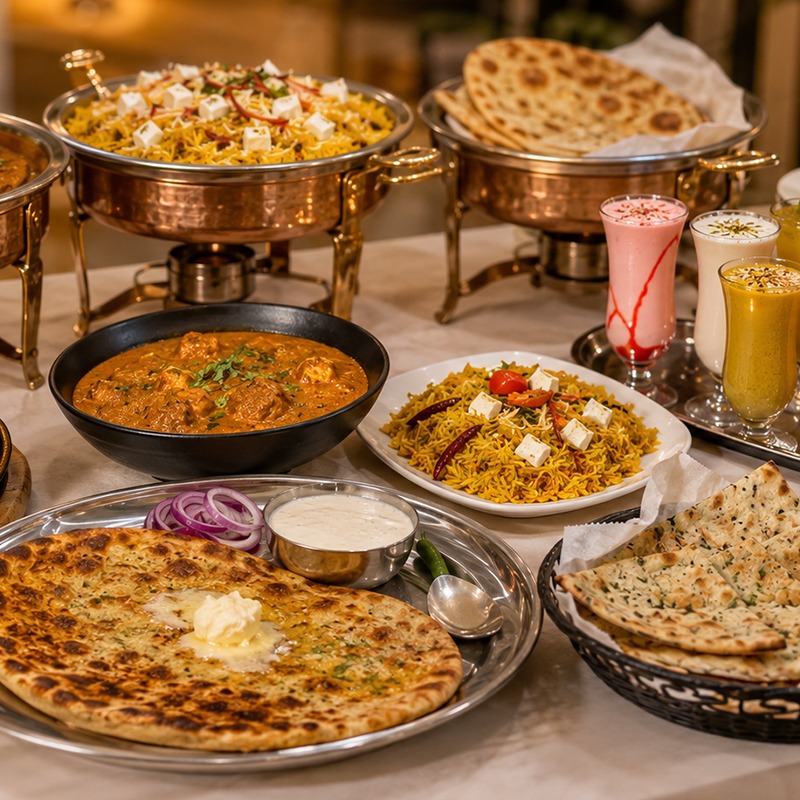
A good vegetarian Indian spread can pull from:
- Appetizers: samosas, pakoras, and other vegetable-based starters
- Main courses: paneer dishes, dal, chickpea preparations, and vegetable curries
- Rice and breads: rice dishes, biryani, naan, roti, or paratha
- Accompaniments: chutneys, raita, and fresh salads
- Desserts: traditional sweets to close out the meal
What matters here isn’t just the number of dishes on offer. It’s that guests can mix and match and still walk away with something they actually enjoyed.
Why Indian Food Works Well for Corporate Dining
Indian cooking brings a lot more to the table than the usual vegetarian staples. The range of spices, ingredients, and techniques makes it possible to build a menu that feels varied and still appropriate for a professional setting.
Supports Dietary Inclusivity
Most guest lists include a mix of vegetarians, people who prefer lighter meals, and people who already eat Indian food regularly. Going vegetarian across the board can actually simplify planning when a good chunk of attendees eat meat-free anyway.
That said, vegetarian doesn’t automatically mean vegan, gluten-free, or allergen-free. It’s worth confirming ingredients, dairy content, and cross-contact directly with the caterer whenever specific dietary needs come up. Assuming inclusivity isn’t the same as checking for it.
Brings Variety to the Table
Indian vegetarian cooking offers much more variety than a single set of familiar flavors. Different spices, sauces, and regional styles create real variety within a single menu.
A creamy paneer dish differs considerably from a lentil-based curry, while vegetable biryani or a tandoori preparation can add another layer of contrast. That range matters at corporate events, where guests with very different tastes are often sharing the same buffet line.
Suits Different Event Formats
No two corporate gatherings look quite the same. A working lunch calls for food that’s quick and easy to eat, while a company celebration can handle a bigger, more elaborate spread. Vegetarian Indian catering can adapt well across event formats, depending on the menu and how the service is arranged:
- Office lunches and team meetings
- Conferences and seminars
- Client appreciation events
- Employee celebrations
- Holiday gatherings
- Business networking receptions
What works best depends on the schedule, venue, guest count, and the level of service the event needs. Ask the caterer whether they offer drop-off, buffet service, or extra setup support, and which option best fits your event.
What to Consider When Choosing Corporate Event Catering
The cuisine is only part of the equation. Menu flexibility, food handling, and reliable timing all affect whether the catering works on the day of the event.
Menu Customization and Guest Preferences
Before placing an order, you should consider the purpose of the event and the audience. A formal client lunch may require a more casual approach, while an employee celebration might include regional specialties or a larger selection of appetizers.
It’s also worth enquiring whether spice levels, portion sizes and dish selections can be adjusted. A good menu offers variety without leaving people guessing what is actually in front of them.
Food Quality and Preparation
Freshness is a real concern once food is prepared ahead of time and transported to a venue or office. Ask how dishes will be packaged, moved, and kept at the right temperature before service.
For bigger events, consistency matters just as much as the menu itself. Every tray needs to meet the same standard, and the food has to arrive ready to serve. These aren’t details you think about when you’re picking dishes off a menu, but they shape how guests experience the event.
Timing, Setup, and Service
Corporate schedules don’t leave much room for delays. A late meal can disrupt presentations, meetings, or networking schedules. Confirm the delivery window, setup needs, service style, and cleanup expectations well before the event.
This is especially important for corporate event food catering in New York because the venue might be an office, a conference center, a private room, or something else entirely, all of which have their own access rules and scheduling quirks. Good coordination up front also keeps the food service from becoming a distraction on the day itself.
How to Build a Balanced Vegetarian Indian Menu
A menu works best when it reflects the event’s format, the guests attending, and the practical side of serving everyone. A bit of planning goes a long way toward keeping things varied without getting overcomplicated.
Start with the event and guest count: Is this a light lunch, a full dinner, or part of a bigger program? Then factor in headcount and whether the food will be buffet-style or served in individual portions.
Include different textures and flavors: A balanced spread might combine a few appetizers, substantial curries, a lentil or bean dish, rice, bread, and dessert. Mixing in milder options alongside the spicier ones helps the menu work for a broader group.
Confirm dietary details in advance: Ask directly about vegan options, dairy, nuts, gluten, and anything else guests have flagged. Confirm that information directly with the catering team rather than assuming it from a dish’s name.
Make the Menu Part of the Event Experience
When a corporate event is well planned, food becomes more than a scheduled break of the day. It gives people a chance to come together, have a meal, and experience something a little different in a relaxed setting.
Food is one of the aspects of a corporate event that can encourage people to relax and connect naturally. A good vegetarian Indian menu can spark conversation, introduce guests to new dishes, and make the gathering feel more welcoming.
It’s not about the biggest menu or the fanciest presentation. It’s a catering plan built on good food, clear communication about dietary needs, reliable timing, and service appropriate to the occasion. For businesses considering vegetarian Indian food catering in New York, keeping these factors in mind can help make a corporate meal a more enjoyable and memorable part of the event.