Tiny Home Kit Living Feels Less Complicated Than Traditional Housing
People are tired. That’s really what it comes down to sometimes. Big mortgages, giant utility bills, rooms nobody even uses. A lot of homeowners are quietly asking themselves why they’re paying for all this space they barely live in. That’s where the idea of a tiny home kit starts making sense. Not as some trendy Instagram thing either. Real people are buying them because life got expensive and honestly, simpler sounds better now.
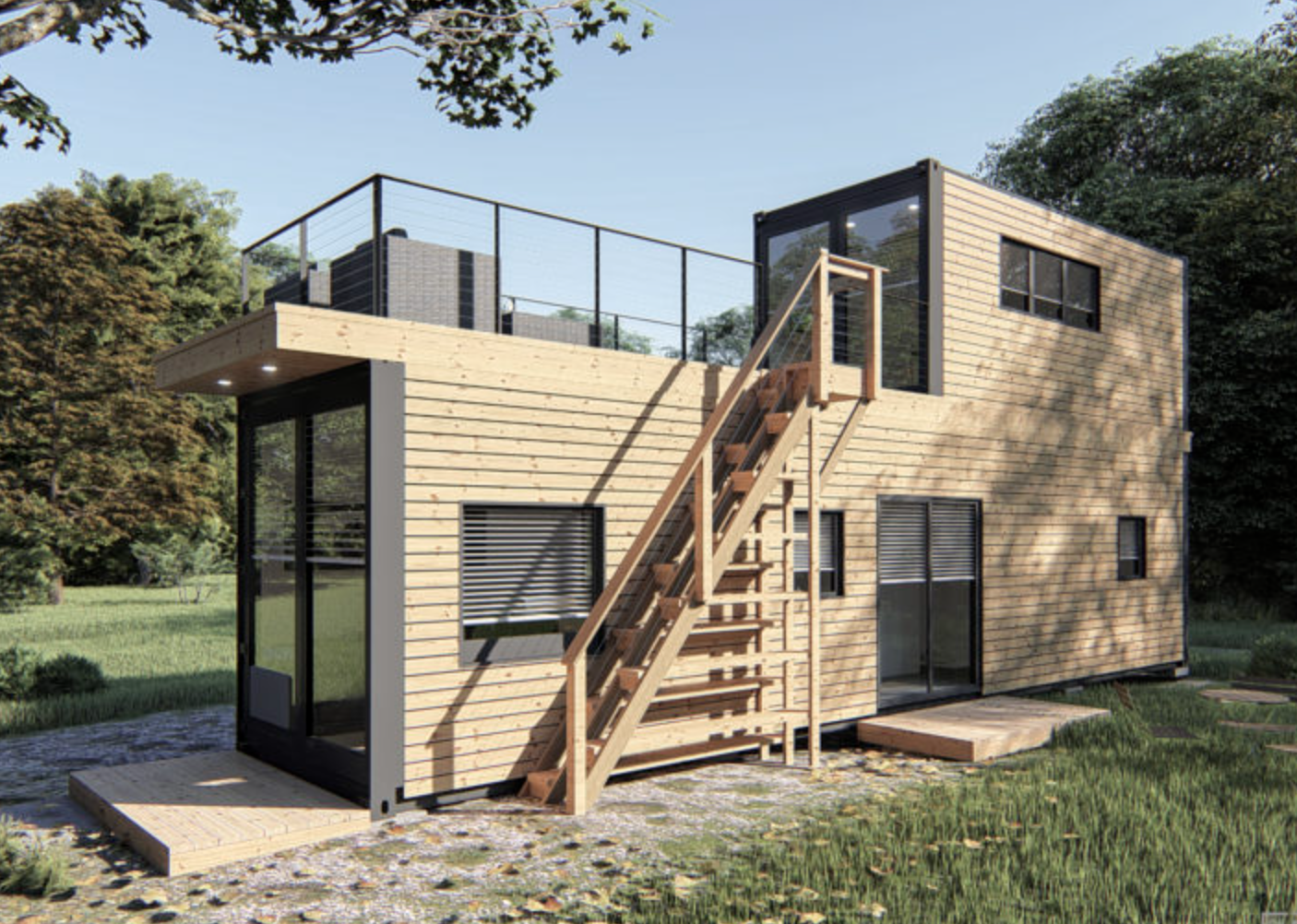
A good tiny home kit gives you structure without making the process impossible. You’re not starting from scratch with lumber piled in the mud while contractors disappear for three weeks. Most kits already include the shell, framing, panels, and instructions. Some even go further. And while the market’s crowded these days, experienced tiny house builders are helping buyers avoid expensive mistakes before they happen.

Tiny House Builders Are Seeing Different Kinds Of Buyers Now
A few years ago, tiny homes were mostly tied to off-grid living and minimalist influencers. Different story now. Families are buying them. Retirees too. Even younger professionals who work remotely and just want out of the rent cycle.
The interesting part is how many people aren’t using them as “tiny houses” full time. Some turn them into guest spaces. Backyard offices. Airbnb rentals. Hunting cabins. One guy in Tennessee built one beside his main house because his college-aged son kept moving back home. Happens more than people admit.
Tiny house builders have adapted because of that shift. They’re not just making little cabins anymore. They’re designing spaces people can actually live in comfortably. Better storage. Smarter layouts. Bigger windows. Feels less cramped than you’d think.
The Cost Difference Gets People’s Attention Pretty Quickly
This is usually the moment where people stop scrolling and start calculating numbers in their head.
Traditional homes are expensive before you even move in. Land costs. Permits. Labor. Materials. Then taxes, insurance, maintenance. It stacks up fast. A tiny home kit cuts a huge chunk of that out. Not all of it, obviously. But enough to make people pause.
And here’s the thing nobody talks about enough. Smaller homes don’t just cost less to build. They cost less every month after. Heating a 300 square foot home is different from heating a 2,500 square foot one. You notice that immediately.
Some tiny house builders even offer partially finished kits for people who want to handle parts of the project themselves. Sweat equity still matters. Especially now.
Tiny Home Kits Give People More Control Over Their Build
Traditional home construction can feel chaotic. Too many moving parts. Too many delays. Everybody blaming somebody else. A tiny home kit simplifies the process because much of the planning already happened before delivery.
That matters more than people realize.
When buyers work with established tiny house builders, they usually get clear timelines and realistic expectations. Not vague promises. Some companies even help navigate permits and zoning issues, which honestly can be the most frustrating part of the entire process.
And yes, there are still headaches. Every build has them. Weather delays. Shipping issues. County inspections. But kit homes remove a lot of the unpredictability that drains people mentally and financially.
Small Spaces Force Better Design Decisions
Big homes hide bad design. Tiny homes don’t.
Every inch matters in a tiny home kit setup. That changes how people think about space. Suddenly, furniture has multiple purposes. Storage gets built vertically. Kitchens become more intentional instead of oversized showpieces nobody cooks in.
Some of the newer designs from tiny house builders are honestly impressive. Fold-away beds. Stair storage. Expandable dining areas. You walk inside expecting it to feel cramped and instead it feels efficient. There’s a difference.
And weirdly enough, living smaller often makes people realize how much unnecessary stuff they had before. Not in some motivational quote kind of way. Just reality.
Off-Grid Options Are Becoming More Practical Than Before
One reason tiny home kit demand keeps growing is because off-grid systems aren’t as difficult anymore. Solar setups improved. Water collection systems got better. Composting toilets became less awful than they used to be.
That opens doors for buyers who want flexibility.
Some people place their tiny homes near lakes or wooded property. Others build on family land to avoid buying expensive lots. Rural counties are seeing more of these homes appear quietly over the last few years.
Tiny house builders have noticed this trend too. Many now design homes specifically for solar compatibility or mobile placement. It’s less about “escaping society” and more about having options. There’s a difference there.
People Want Faster Housing Solutions Right Now
Waiting 12 to 18 months for a traditional house build feels exhausting to many buyers. Especially when costs keep rising during construction.
A tiny home kit can move much quicker. Depending on the setup and permits, some buyers complete projects in a few months. Sometimes faster if the site prep is already done.
That speed matters for people dealing with housing transitions. Divorce. Retirement. Job relocation. Even caregiving situations where families suddenly need extra living space nearby.
Tiny house builders are leaning into faster delivery models because demand keeps climbing. Not every company handles it well, though. Buyers still need to research reviews carefully before signing contracts.
Tiny Homes Aren’t Perfect And Buyers Should Know That
There’s a tendency online to romanticize tiny living a little too much. Reality is more balanced.
Storage becomes a constant conversation. Privacy can get tricky with multiple people. Some counties still fight tiny home approvals aggressively. And not every tiny home kit company delivers quality materials. Some absolutely cut corners.
That’s why experienced tiny house builders matter. Cheap pricing looks good until leaks start showing up six months later.
Also, tiny living requires adjustment mentally. People attached to lots of possessions may struggle with the transition. Others adapt almost immediately. Depends on personality more than income honestly.
Still, many owners say the trade-offs feel worth it once they settle into the lifestyle.
The Tiny Home Industry Keeps Growing Because Housing Keeps Changing
Housing isn’t what it was twenty years ago. People move more often. Remote work changed priorities. Younger buyers question whether massive homes even make sense anymore.
That’s why the tiny home kit market keeps expanding instead of fading away as a passing trend. It solves practical problems. Lower costs. Faster builds. Flexible living arrangements.
Tiny house builders are evolving right alongside those changes. Better engineering. Better materials. Better layouts. Some even offer hybrid models that combine prefab efficiency with custom features.
And honestly, people like the freedom. Less debt. Less maintenance. Less pressure to “keep up” with giant homes they never really wanted in the first place.
Conclusion
Tiny homes won’t replace traditional houses completely. Probably never will. But they don’t need to.
For a growing number of people, a tiny home kit offers something traditional housing stopped giving them years ago. Simplicity. Flexibility. Financial breathing room. A realistic path to ownership without drowning in debt.
The smartest buyers usually spend time researching experienced tiny house builders before making decisions. That part matters. Quality matters. Planning matters too.
Still, the bigger reason this movement keeps growing is pretty simple. People want homes that fit their actual lives now, not homes designed around outdated expectations. And tiny homes, imperfect as they are, answer that better than many traditional houses do.
FAQs
Are tiny home kits cheaper than traditional houses?
In most cases, yes. A tiny home kit generally costs much less than building a standard home, especially when factoring in utilities, maintenance, and long-term expenses.
Do tiny house builders help with permits?
Some do, some don’t. Experienced tiny house builders often guide buyers through zoning and permit requirements, but rules vary by location.
Can you live full time in a tiny home kit?
Absolutely. Many people use them as permanent residences. The key is choosing a layout and design that actually fits your lifestyle.