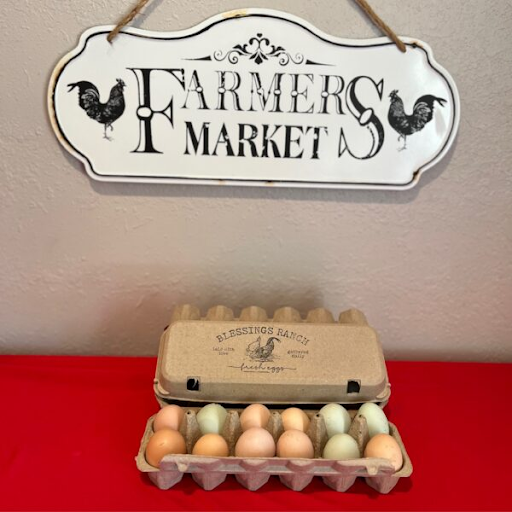
Most folks keep a sharper eye on what goes into their meals these days. Freshness matters, so do kinder farm methods, along with choices that fit better daily routines – these shape family picks at the store. Inside nearly every fridge you will find eggs sitting quietly. Price still counts, yet it takes a backseat once concerns like space for hens or outdoor access enter minds. Because of this quiet shift, Free range eggs get picked off shelves more often – not shouted about, just chosen.
Hens roam wider areas when farms let them outside for stretches each day. Some people like that – it feels closer to old ways, plus the birds seem better off moving around naturally.
Freshness matters more now, so folks pay closer attention to how meals begin. Because of that, small farms find new respect when shoppers want honest growing methods. Behind every bite, a story grows – linking dirt under fingernails to dinner plates in homes everywhere.
Free Range Eggs How They Differ?
Out here, the big change shows in how chickens spend their days. Instead of staying shut inside, they get to step outside when it’s a free-range setup. Moving around like this helps them act more like real chickens – digging at dirt, poking at things, wandering through wide spots.
Surprisingly, folks who eat these often say the yolks taste richer. Texture tends to hold up better when cooked, unlike typical store-bought ones. A number of people baking at home see a noticeable difference in hue – more golden, almost orange. These traits show up regularly in dishes like scrambled eggs or custards. Not everyone agrees, yet the pattern holds across many kitchens. Even casual observers sometimes spot the contrast right away.
Certain words printed on egg boxes tend to puzzle people walking aisles – phrases such as cage-free, organic, pasture-raised, and free-range point to separate ways hens are raised. Hens living under free-range conditions usually get wider room to move around, along with chances to go outside, unlike those stuck in cramped setups.
Now that people pay closer attention to where food comes from, many choose items tied to ethical farming and better treatment of animals.
Local Farms Keep Drawing Shoppers
Folks who care about how fresh their food is tend to back small-scale farming close to home. Getting eggs straight from a farm down the road means they land on your table faster compared to those shipped across the country.
Most folks looking up farms nearby tend to care more about where their food comes from. Questions pop up naturally when buyers meet face to face with those who raise chickens or manage fields. Knowing the grower often means knowing how animals are fed, treated, and housed day to day.
Families start trusting their meals a little more when they meet the people who grow them. Because these ties form, dinner feels less distant, more grounded in real hands and soil. When shoppers choose crops from close by, jobs stick around, paychecks flow through town instead of vanishing elsewhere. Older ways of working the land survive simply because someone still shows up to plant, season after season.
These days, folks often choose local growers – knowing where food comes from matters to them. Freshness plays a big role too. Getting close to the source means seeing how animals are treated, how crops grow. Trust builds when labels aren’t hiding half the story. Meeting farmers at markets adds something real. Not everything bought online can match that.
Hen Living Conditions and Egg Quality
Outdoors, hens tend to stay busier when they can roam. Fresh air reaches them easily where movement isn’t blocked by walls. Their bodies respond well under open skies instead of tight spaces. Natural daylight shapes their rhythm in ways lamps never match. Health improves when routine follows the sun rather than human schedules.
Some folks say free range eggs just taste better, with yolks that hold their shape. Though what’s in the chicken’s diet can shift how they look or taste. Seasonal changes play a role too. Yet one thing stands out – these eggs tend to feel fresher to those who buy them.
Out in the open, moving around like we’re meant to can toughen eggshells and change their feel. When meals start with real food, people notice how eggs blend into daily dishes a little differently.
Food lessons spread wider now, so people start seeing how growing methods shape what ends up on their plates. Farm choices matter more to shoppers these days, quietly shifting what gets picked at stores.
How Ethical Farming Affects What People Choose to Buy
These days, picking groceries isn’t just about saving time or money. For a growing number of buyers, what ends up on the plate ties into bigger beliefs – like how farming treats the planet, whether animals live well, and if soil stays healthy for years ahead.
Hens get room to move when raised outside cages. Since many people think farm life ought to feel more like real life, they choose eggs from birds that can roam. These buyers figure open spaces beat crowded ones any day.
Folks checking out nearby farms often want clear connections with growers – honesty makes confidence grow. Knowing what life looks like for livestock gives buyers clearer reasons behind their choices.
Families now pick groceries shaped by fairer farm practices, nudging the market further toward moral choices. Still, it’s everyday shoppers who quietly steer these shifts without grand announcements.
Cooking With Fresh Free Range Eggs
Starting your morning right might just come down to cracking open a fresh egg. These little kitchen helpers bring depth to pancakes, custards, or even a simple scramble without trying too hard. When the ingredients are good, everything from cookies to hollandaise turns out smoother, brighter, more like it should. Taste changes when quality goes up – home chefs see that fast.
Bold taste often shines when steps stay few. Think soft eggs stirred slow, fillings tucked inside warm folds, fruit gently warmed – each needs little beyond what the market offers at its peak. A kitchen thrives not by effort but by timing, letting quality lead without hiding behind spice or speed.
Baked goods tend to turn out silkier when the eggs are newly laid, thanks to their ability to blend evenly into mixtures. What you see on the plate usually pops more too, since young yolks bring a deeper golden look. Taste takes a noticeable step up, not just appearance, making each bite feel thoughtfully made.
Fresh meals start close to home, where real ingredients teach kids about growing things through everyday cooking. A family’s kitchen becomes a place of learning when produce comes straight from nearby fields.
How Sustainable Farming Helps Local Areas
Farming talks today often circle back to looking after the planet. People now favor food grown in ways that care for the earth, keeping soil strong for years ahead.
Out in the open, chickens move across fresh ground, helping the soil stay strong. Because they roam, these birds spread manure naturally instead of packing it into one spot. Smaller setups usually mean fewer chemicals get used nearby. With room to wander, flocks peck and scratch in ways that mimic how wild birds live. This kind of setup tends to weave crops and animals together more smoothly. Land gets a break when fields rotate between plants and grazing.
Farms nearby catch attention when folks want food that travels short distances. Since it moves straight from field to table, there are fewer stops along the way. That means less time packed up or shipped around. Getting things close by cuts down on all the moving parts. Fewer hands touch what ends up on the plate. Distance shrinks between grower and eater. What’s grown just down the road skips long hauls. This kind of setup runs simpler than far-flung systems.
Farming in ways that last builds stronger local food networks. When growers care for the land, communities gain resilience over time. Choices today shape how fields feed people tomorrow.
How Openness Affects Today’s Food Choices
Nowadays people expect honest details on where their food comes from. Knowing who made it, how it was raised, matters more than before – especially when kids are involved. A farm’s treatment of animals often weighs heavy on a parent’s mind.
When farmers talk clearly about how they work, trust grows with those who buy their food. Because of this openness, people feel more sure about what they’re bringing home. Knowing the story behind a product changes how it’s seen on the table. Clarity leads to connection, slowly building loyalty over time.
Free range eggs are catching on, simply because people want to know where their food comes from. Out in the open farms, choices feel clearer – away from hidden processes and factory setups. Trust builds when chickens roam, not when details stay buried in fine print. Buying shifts happen quietly, shaped by what eyes can confirm, not promises on packaging. Connections grow stronger, not through slogans, but dirt underfoot and real names behind barns.
Farmers markets pop up more each season, so knowing where food comes from might just stick around at the front of what people care about. When trust becomes a big part of shopping choices, what’s on plates later can shift fast. With every new harvest, clear labels and open farming steps could shape meals down the road.
Conclusion
Out here, free-range eggs catch on because folks want real taste without factory setups. Hens move freely, which changes how people think about where food comes from. Taste gets richer when birds live like they should. Shoppers notice differences beyond just labels – choices now carry weight. Farm methods shift as values do, one breakfast at a time.
Now more people are looking up farms in Texas , drawn by honest farming and homegrown food. Because they care where meals come from, shoppers find better produce plus help keep small farms alive. Real change starts simply – choosing vegetables grown close by strengthens neighborhoods, season after season.
Frequently Asked Questions
1. What are free-range eggs?
Out in the open, free-range hens move around more than those stuck inside regular farms. Their ability to roam outside sets them apart from birds raised without such space.
2. Do free-range eggs taste different?
Folks often say these eggs taste fuller, feel tighter when cooked, yet show a more intense yellow center than the usual store-bought kind.
3. Why do people prefer local eggs?
Freshness shows faster when eggs don’t cross long roads – close farms deliver them sooner. Distance slows down quality; local means less time between nest and table.
4. How should fresh eggs be stored?
Keep eggs cool inside the fridge where temperatures stay steady. This helps them last longer while staying safe to eat. A stable chill slows spoilage without effort. Cold storage protects quality day after day. Temperature swings harm freshness fast. The back of the shelf works better than the door. Eggs handle even cold best when left undisturbed.