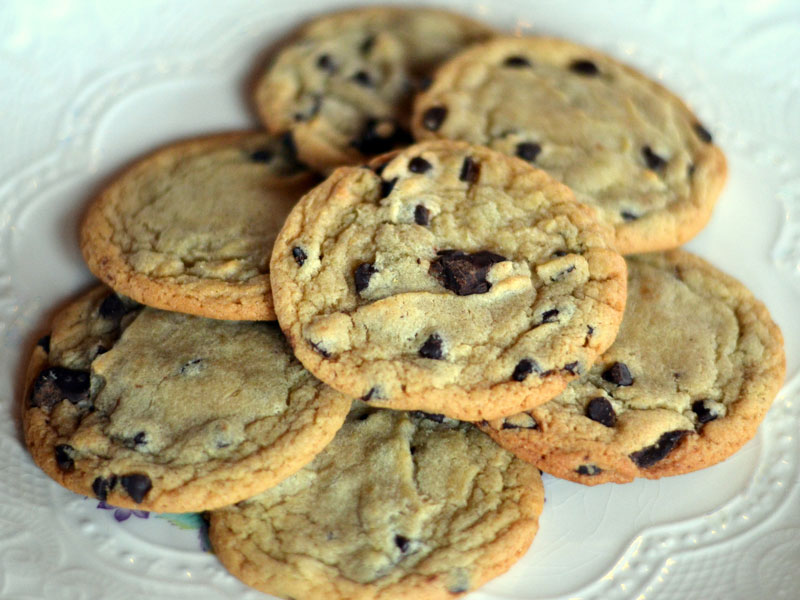
Baking cookies begins with choosing the right flour because it shapes the texture, flavor, and overall quality of every batch. Many home bakers experiment with different flour types to create soft, chewy, or crispy cookies that match personal preferences. Anyone planning to Order Homemade Cookies Online can also benefit from understanding how flour affects baking results and why experienced bakers carefully select ingredients for every recipe.
Why Flour Choice Matters for Cookie Texture
Flour provides the structure that holds cookie dough together during baking. Different types contain varying amounts of protein, which directly affects gluten development and changes the final texture. Higher protein creates firmer cookies with more chew, while lower protein produces lighter and softer results. Moisture absorption also differs between flour varieties, making ingredient selection an important step for achieving consistent cookies that look appealing and taste delicious every time.
All-Purpose Flour Remains the Most Reliable Option
All-purpose flour continues to be the favorite choice for many bakers because it offers dependable results across countless cookie recipes. Its balanced protein content creates cookies with a pleasant mix of softness and structure without becoming too dense or too delicate. Recipes designed for beginners usually recommend this flour because it is widely available, easy to measure accurately, and works well with ingredients like butter, sugar, eggs, chocolate chips, and nuts.
Specialty Flours Can Create Unique Cookie Styles
Specialty flours give bakers the opportunity to produce cookies with distinctive textures and flavors. Bread flour creates chewier cookies because of its higher protein level, while cake flour produces delicate and tender cookies with a lighter crumb. Whole wheat flour contributes a slightly nutty flavor and extra fiber, although it often requires additional moisture. Blending different flour types allows experienced bakers to customize recipes without changing the overall baking process too dramatically.
Simple Steps to Choose the Right Flour
Choosing flour becomes easier by following a practical process instead of relying on guesswork. Start by deciding whether the goal is chewy, crispy, or soft cookies. Read the recipe carefully and measure flour correctly using a spoon and level method. Mix ingredients gently to avoid excessive gluten development. Bake a small test batch first, evaluate the texture, and make small adjustments for future batches until the desired consistency is achieved.
Common Baking Mistakes That Affect Cookie Quality
Many baking problems result from incorrect flour measurements rather than recipe errors. Adding too much flour often creates dry, crumbly cookies, while too little flour causes excessive spreading during baking. Using old flour may also reduce freshness and affect flavor. Mixing dough for too long develops extra gluten, making cookies tougher than intended. Paying close attention to measurements, storage conditions, and mixing time greatly improves baking success with every batch.
Helpful Tips for Better Cookie Baking
Great cookies depend on more than flour alone. Keeping these tips in mind can improve consistency and flavor.
- Measure flour accurately using measuring cups correctly.
- Use fresh flour stored in airtight containers.
- Bring butter to the recommended temperature.
- Chill dough when recipes suggest resting time.
- Bake on parchment paper for even browning.
- Leave space between cookies for proper spreading.
- Cool cookies completely before storing them.
- Store finished cookies in airtight containers to maintain freshness.
Finding the Perfect Flour for Every Recipe
Every cookie recipe has its own purpose, making flour selection a personal decision based on preferred texture and flavor. Chocolate chip cookies often perform well with all-purpose flour, sugar cookies benefit from softer flour blends, and chewy cookies may improve with bread flour. Regular baking experience helps identify which flour delivers the desired outcome. Testing small recipe variations and recording results creates valuable knowledge that leads to consistently delicious homemade cookies.
Conclusion
Selecting the right flour is one of the most important decisions in cookie baking because it directly influences texture, appearance, and taste. All-purpose flour remains the best choice for most recipes, while specialty flours offer exciting ways to create unique results. Careful measuring, proper mixing, and thoughtful ingredient selection help every baker produce cookies with confidence. Small adjustments over time make it easier to develop recipes that consistently deliver flavorful, satisfying cookies everyone will enjoy.