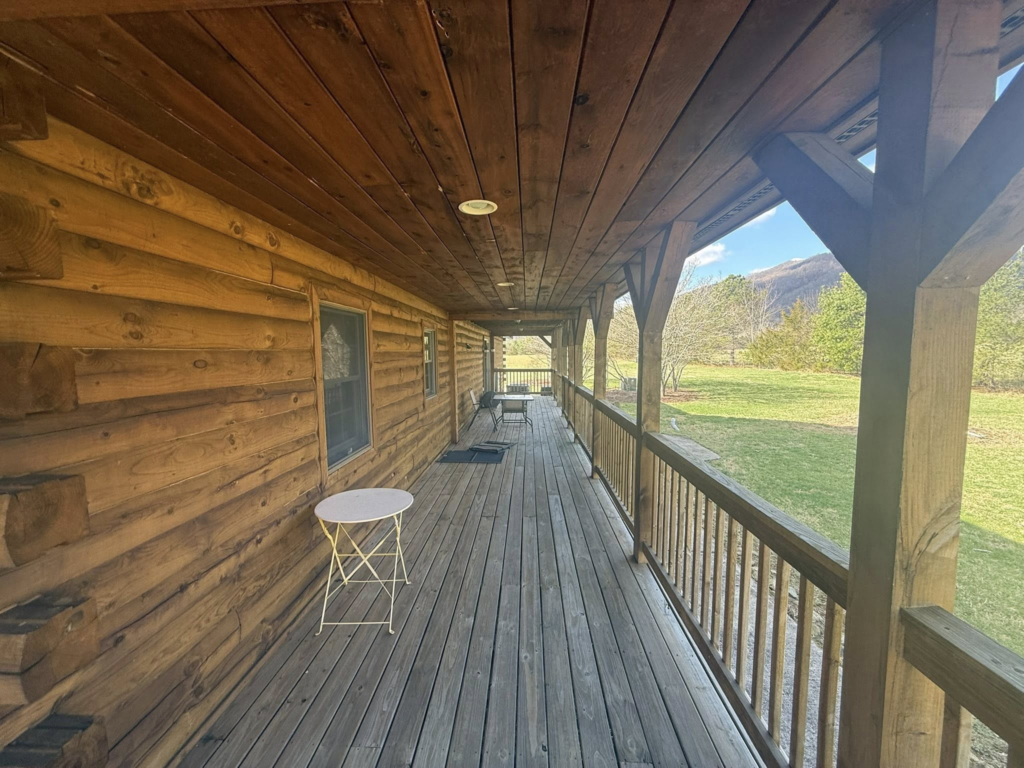
If you own a log home, you already know it isn’t the same as owning a standard house. Timber moves. Weather gets to it. Small issues can quietly grow into expensive repairs if nobody catches them. Log house maintenance is part of protecting the investment, but there comes a point where basic upkeep isn’t enough. That’s when bringing in a professional starts making sense.
Some homeowners try to fix everything themselves. Sometimes it works. Sometimes it creates a bigger problem that costs even more later. Knowing where that line is can save a lot of money, and a lot of headaches.
Why Log Homes Need More Attention Than Most Houses
Wood is a living material, even after it’s been cut and built into a home. It expands when moisture levels change. It shrinks during dry seasons. Sunlight slowly breaks down protective finishes. Rain finds tiny openings that weren’t there last year.
None of this means log homes are weak. Far from it. Many stand strong for generations. But they stay that way because someone keeps an eye on them.
Regular inspections help. Washing the exterior helps too. Reapplying stain before it completely wears away makes a huge difference. Skip those things for long enough, though, and you’re no longer dealing with maintenance. You’re dealing with restoration.
The Warning Signs You Shouldn’t Ignore
A lot of damage hides in plain sight.
Maybe one log feels softer than the others. Perhaps the stain is peeling in several places. You might notice cracks getting wider every year instead of staying the same. Water marks around windows can also point to moisture getting where it shouldn’t.
One warning sign by itself doesn’t always mean disaster.
Several signs showing up together? That’s another story.
Rot spreads quietly. Insects don’t usually announce themselves either. Carpenter bees, termites and other wood-damaging pests can spend months inside logs before homeowners realise what’s happening.
If you’re seeing multiple issues, it’s probably time for a professional assessment rather than guessing.
When Surface Repairs Stop Being Enough
Cleaning the exterior or touching up stain is something many owners handle themselves.
Replacing structural logs isn’t.
Once decay reaches deep into the timber, cosmetic work won’t solve the problem. Covering damaged wood with fresh stain simply hides it for a while. Moisture stays trapped inside, and the deterioration keeps going.
Professionals know how far the damage extends before deciding whether logs can be repaired or need replacing altogether. That’s experience talking. It’s difficult to judge from the outside.
Trying to save money with temporary fixes often leads to spending more later. Bit frustrating really, but that’s how it goes.
Moisture Problems Usually Need Expert Help
Water is probably the biggest enemy of any log home.
Poor drainage around the foundation, leaking gutters, damaged flashing or failing roof sections all allow moisture to reach the logs. Once water gets trapped, fungi begin breaking down the wood.
The visible stain isn’t always the real problem.
Sometimes the worst damage is hidden behind trim boards or inside corner joints where homeowners rarely look.
A restoration specialist doesn’t just repair the affected logs. They figure out why moisture got there in the first place. Otherwise the same problem comes back a year or two later.
Insect Damage Isn’t Always Obvious
Not every hole in a log means insects.
Some are harmless checking cracks that naturally develop as timber dries.
Others aren’t harmless at all.
Tiny piles of sawdust beneath walls. Small round holes. Hollow sounds when tapping certain logs. Those are warning signs worth taking seriously.
Professionals can identify whether you’re dealing with carpenter bees, termites, ants or another pest altogether. More importantly, they know whether the structural integrity has been affected.
That’s not something most people should try diagnosing from a YouTube video.
Restoration Takes More Than New Stain
People sometimes think restoration simply means making old logs look nice again.
It’s much more than that.
A proper restoration project may include replacing rotten logs, repairing joints, removing failed finishes, treating mould, fixing water entry points, sealing gaps, sanding weathered surfaces and applying protective coatings suited to local climate conditions.
Every house is different.
A cabin sitting under heavy tree cover faces different moisture issues than one standing in full sun all year. That’s why experienced restoration contractors don’t approach every project exactly the same way.
Timing Matters More Than Most Owners Realise
Waiting almost never saves money.
Small repairs tend to stay small when they’re handled early. Once decay reaches load-bearing logs or spreads through multiple wall sections, restoration becomes far more involved.
Sometimes homeowners wait because everything still “looks okay.”
Looks can be misleading.
Wood can remain solid on the outside while slowly deteriorating inside. By the time visible damage appears, repairs are often bigger than expected.
An inspection every couple of years is usually cheaper than replacing major structural sections later.
Don’t Ignore Gaps Between the Logs
One area many homeowners overlook is the sealing between the logs. As homes settle over time, gaps naturally appear. Air leaks increase. Moisture gets inside more easily. Heating bills creep upward too.
Professional log house caulking restores those protective seals while allowing the logs to continue expanding and contracting naturally. Using the wrong materials or applying them incorrectly can actually trap moisture instead of keeping it out, which defeats the whole purpose.
Choosing the Right Restoration Professional
Not every contractor understands log construction.
Ask about previous restoration projects. Request photographs of completed work. Find out what products they use and why. A reliable contractor should happily explain their process instead of rushing through the conversation.
Experience matters here because restoring timber isn’t quite the same as repairing brick or standard timber-frame houses. Different materials behave differently. Different repair methods work better.
If someone promises an incredibly cheap fix without even inspecting the property properly, that’s usually a reason to keep looking.
Conclusion
Owning a log home comes with responsibilities, but it also comes with rewards that few other homes can match. With consistent care, these homes can last for generations and keep their natural beauty year after year.
The key is recognising when routine maintenance has crossed into something bigger. Soft logs, moisture problems, widening cracks, insect damage or failing finishes aren’t issues to ignore or cover up with quick cosmetic fixes. Calling an experienced restoration professional early often prevents far more expensive repairs later. A little attention now really does go a long way toward protecting your log home for the future.