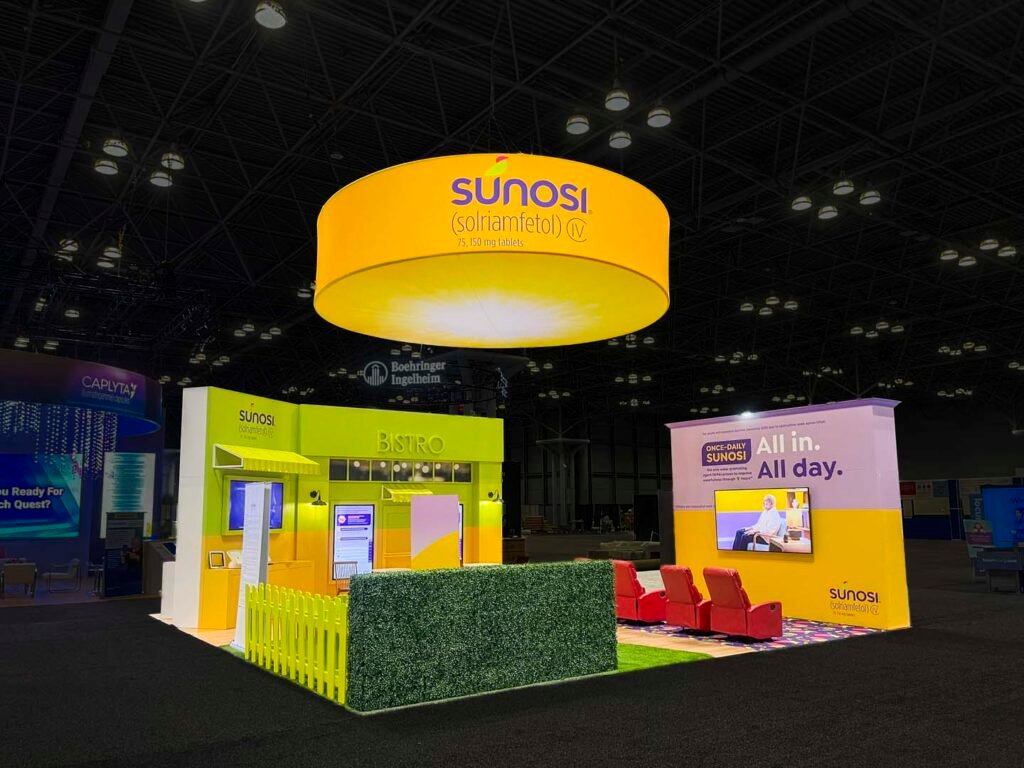
A trade show booth is more than just an exhibition space for products. It’s an opportunity to introduce your brand, attract customers to your show, and make a good impression on them. Planning a custom Trade Show Booth is a big deal, so be aware of your goals, audience, space, design, budget and logistics before you set foot on it. A strategic approach can ensure you have an impressive exhibit with real business value and strong visibility.
Define Your Exhibition Goals
You want to generate leads, launch a product, get a product out there, build your brand recognition, sell a product to existing customers, or find new business opportunities. Your goals should influence the booth layout and features. For instance, a company in the networking business will need comfortable meeting areas, while a product-focused brand will need demonstration stations.
Understand Your Audience
Knowing who will visit the exhibition can help to design a more relevant experience. You should be aware of what customers will want from your exhibition, what expectations they can have and what challenges they might face. Use this information to decide what information, demonstrations or interactive elements are most relevant. A booth designed to support lasting conversations will be more likely to encourage meaningful conversations and longer engagement.
Plan the Booth Layout
A good layout needs to balance visual impact with functionality. Design clear entryways and pathways to visitors’ destinations that allow them to walk through, view displays, and talk with your team. Do you need to put separate zones for reception, product demonstrations, presentations, meetings, and storage? Don’t overload the space with furniture or displays, as they aren’t the only things to be placed in your booth. Allow space to remain accessible and open so your booth is more inviting.
Invest in Strong Branding
Your custom Trade Show Booth should reflect your brand identity. Use your logo, colors, typography, graphics and messaging throughout the space. Those large-format graphics and prominent signage can help visitors see your booth from a distance. Keep your messages concise so you can respond and get your message across quickly to the audience as they walk through the exhibition hall.
Add Purposeful Interactive Features
Interactive experiences can help make your booth more memorable. Depending on your business, product demonstrations, touchscreens, digital presentations, games, and hands-on activities are all options. As a result, you will only use technology that works for your marketing purposes.
Consider Budget and Logistics
Before the design is done, set a realistic budget and be able to meet it before finalizing the design. Account for construction, graphics, furniture, lighting, technology, transportation, installation, dismantling, and storage where necessary. Also check venue regulations, deadlines, electrical requirements, shipping arrangements, and installation schedules early on in the planning process.
Think About Future Events
If you go to many exhibitions and can’t find a space where you have to set up your booth, think about how your booth can be adapted in an entirely different way. Modular components, interchangeable graphics and flexible displays give you an option to make your spending more flexible. When designing the Best Trade Show Booths, look for ideas that bring together creativity, functionality, branding, and visitor engagement, not the most elaborate design.
In the end, successful trade show planning is about creating an environment that supports your business objectives. And with good design, clear messaging, practical functionality, and careful logistical planning, your custom trade show Booth will attract attention and build your brand presence.