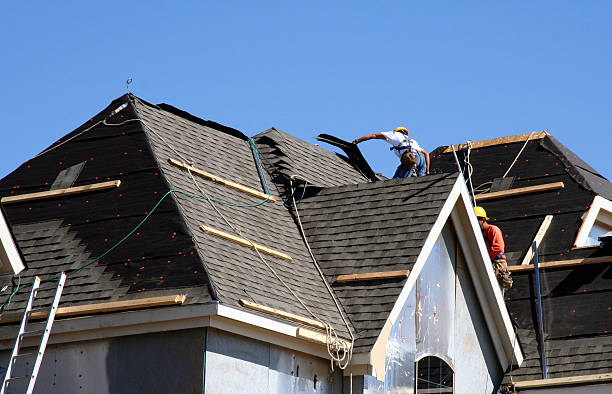
Construction workers putting shingles on the roof of a house.
Putting on a fresh roof ranks among the bigger choices a house owner faces. Not only does it boost how the place looks from the street, yet it also shields the structure against rain, wind, or snow when done right. It helps keep indoor temperatures steady, which means less work for heating and cooling systems. Because of this, the home tends to hold its worth better over time. Starting such work without knowing what shapes the outcome – materials, slope, climate fit – can lead to trouble later down the line. Each choice made today quietly echoes through seasons ahead.
Starting fresh or swapping out old shingles, getting ready matters most. Whether replacing an aging roof or building a new home, preparation is essential. Understanding materials, budgeting, timing, and maintenance expectations can help ensure a smoother project and better results. When planning a New Jersey roof installation, homeowners benefit from taking the time to learn about every stage of the process.
Checking How Your Roof Is Doing Now
A rooftop job should never begin without checking what’s already there. Cracked tiles, water stains, or dips in the surface often reveal clear damage. Yet sometimes things look fine on top even when something’s wrong below.
Now here’s a different way to see it: checking everything closely shows if fixing things works – or if starting fresh makes more sense. When owners know how the roof stands today, surprises later on tend to stay away.
How Different Roof Materials Compare
Most homes wear asphalt shingles – cheap, steady, doing their job without fuss. Looks shift from roof to roof, just like how long they last or what upkeep they ask for. Metal steps in when weight matters less than lasting decades under sun and storm. Some pick slate for its heavy grace, others skip stone for lighter fakes that mimic it well. Price tags stretch wide, pulled by what each person values more – looks, life span, or first-year cost.
Rain, snow, wind – each shapes what works on a roof here. Because seasons swing hard across New Jersey, materials must handle damp, freeze, thaw, plus sudden shifts in heat. Picking right means matching durability to daily outdoor stress. What holds up under sky trials often depends less on cost and more on fit. Local weather writes its own rules for rooftops. Lasting performance starts long before hammer meets nail – it starts with choice.
Budgeting Beyond Materials
Roofing jobs often have hidden price tags beyond just shingles or tiles. What most people overlook sneaks up later in the process. Old layers need tearing off before new ones go down, adding steps. Workers’ time takes a noticeable bite out of funds too. Sometimes beams underneath require fixing – unexpected but necessary. Paperwork like permits shows up on invoices more than expected. Hauling junk away isn’t free either; dump charges pile on. Surprises underfoot mean extra spending nobody plans for. Budgets swell even if material quotes look low at first glance.
Starting with a clear spending plan means fewer shocks later. When choices come up, thinking ahead matters more than just picking the cheapest option now. Better supplies and skilled labor might cost more at first, yet they often save money down the road.
When to Plan Your Roof Work
Later in the season, roof jobs tend to go smoother thanks to steadier skies. Rain or snow might delay setup, impact how materials behave, even slow down the crew. Warm months usually bring fewer surprises – spring through autumn sees most roofing happen. Even so, work still moves forward any time the forecast allows.
When you think ahead, it gives time to line up work before anything on the roof goes wrong. If delays happen, small issues might turn into sudden leaks, forcing last-minute fixes across New Jersey just to stop things getting worse.
How Installation Works
Comfort grows once people know what happens step by step. Out comes the worn roof, piece by piece, making space for fresh work. Once gone, eyes turn to the base – checking how solid it stands. If wood shows wear, replacements go in right away. Only after that does the new layer settle down, quiet and ready. Over top, shingles lock into place, one row at a time.
Expect some short-term noise now and then, along with more people moving through the site at times. Access to parts of your property might be paused here and there. Getting clear on what to expect makes it easier to get ready, so daily life stays mostly uninterrupted while work goes on.
Good Air Flow Matters
Roofs last longer when air moves through them properly. When attics get steady airflow, heat and dampness stay under control. Without enough venting, hidden damage creeps in – rot forms, mold spreads, shingles wear out too soon.
Most people pay attention to shingles first, yet forget what happens underneath. A well-ventilated roof in New Jersey works better over time because air moves through it easily. This kind of setup keeps cooling and heating costs quieter without trying too hard. The structure lasts longer when heat does not get trapped inside.
Handling Surprises When Things Break
Surprises pop up now and then, even when plans seem solid. Once layers come off, problems like soaked wood or weak frames might show themselves. When fixes happen right away, the fresh roof stands a better chance of working well. What lies beneath can change everything.
When surprise fixes come up, schedules often slip while costs climb. A cushion of extra money helps keep things moving without panic when new tasks pop into view.
Keeping Your Roof Safe Once Installed
Roofs need consistent upkeep so they keep working right. Checking them often, keeping gutters clear – this stops small troubles turning into big ones. When seasons shift, roofs take a beating, which is why regular checks matter so much.
Later on, those skipping upkeep might deal with fixable issues that got worse. In some situations, delayed maintenance can even result in the need for emergency roof repair in New Jersey after storms or severe weather events.
Thinking Ahead for Lasting Worth
Most people overlook how a roof pays off years later. Good parts matter, yet fitting them right matters more. Time passes, storms come, still it holds strong when cared for. Years go by, then one day you sell – suddenly that sturdy cover lifts the price without a word. Shelter stays quiet but works hard, season after season.
Most people find that taking time to look at every choice pays off when it comes to installing a new jersey roof. Starting strong means fewer surprises later on. Outcomes tend to improve when decisions are made slowly, with attention to detail. Satisfaction grows when expectations match reality. Looking ahead shapes what happens down the road. Real value shows up months after the work ends.
Conclusion
A roofing job starts well before nails hit wood. Picking tiles matters less if the old structure hides rot or wear underneath. Instead of rushing, take time to inspect what lies above. Materials need to match both climate demands and house design, not just price tags. Budgets often grow once hidden damage shows up, so room for surprises helps. Once plans settle, learning how crews will work brings clarity. Airflow through the attic prevents moisture buildup, which weakens support over time. Skipping upkeep invites bigger bills later down the road. Storms do not warn before they strike, yet readiness softens their blow. Knowing where help comes from during sudden leaks makes chaos feel smaller. Confidence grows when choices stem from research, not panic. Years pass quickly; roofs bear every season without complaint.
Frequently Asked Questions
1. How long does a roof installation typically take?
Roofs at homes usually need more than a few days – sometimes up to seven – to finish. Length shifts based on how big the job is. Rain or cold can slow everything down. Tricky layouts add extra time too.
2. Most homes in New Jersey have roofs made of asphalt shingles.
Still a top pick, asphalt shingles stick around because they cost less, last long, yet handle rain, sun, or snow without trouble.
3. How can homeowners prepare for a roof installation?
Start things off right by tidying up outside spaces. Shield precious items indoors before any work begins. Talk through how long each step might take, using clear talk. When noise or access gets tricky, have a quiet way ready.
4. How often should a new roof be inspected?
Roof checks? Smart move every six months or so. When big storms hit, take a look afterward too. Spotting trouble early means avoiding bigger headaches later on.