
A lot of agents talk big. You’ve seen it. Billboards, Instagram videos, shiny headshots with fake smiles. But when it comes time to actually move a property, especially in a city like Pittsburgh, the difference between an average agent and a proven one gets real pretty fast. A top producer doesn’t just “list homes.” They understand pricing pressure, buyer hesitation, weird inspection issues, neighborhood trends that change block by block. Stuff you can’t fake.
The truth is, homeowners usually realize this too late. They hire someone because a friend recommended them or because they liked a Facebook ad. Then the house sits. Weeks pass. Price drops happen. Momentum dies. That’s the part nobody talks about enough. A top selling real estate agent knows how to create urgency before the listing even hits the market. They understand timing. And timing, honestly, can make or break the entire deal.
Selling a Home Isn’t Just About Listing It Online
People assume putting a property on Zillow is the job. It’s not. That’s maybe five percent of it. The real work starts before photos are taken. Good agents walk through the property and notice the small things buyers mentally punish. Bad lighting. Pet odors. Overcrowded rooms. Weird paint colors from 2009 that somehow survived. They catch these details because they’ve seen buyers react to them hundreds of times before.
When homeowners want to sell house in Pittsburgh, they’re entering a market that’s oddly emotional. Some neighborhoods move insanely fast while others stall for reasons that don’t always make logical sense. One street gets multiple offers. Two streets over, silence. An experienced agent knows how buyers think in each pocket of the city. That local instinct matters more than generic market data pulled from some national report.
And honestly, buyers today are picky. Interest rates shifted things. People second-guess everything now. Which means presentation has become even more important than it was a few years ago.
Pittsburgh Neighborhoods All Behave Differently
That’s something outsiders don’t always understand. Pittsburgh isn’t one uniform housing market. It’s dozens of smaller micro-markets smashed together. Lawrenceville doesn’t behave like Mt. Lebanon. South Side isn’t Squirrel Hill. Even homes with similar square footage can sell at wildly different speeds depending on the neighborhood vibe, school district perception, parking situation, or honestly just the feel of the block.
A strong real estate agent pays attention to those patterns constantly. They know where young professionals are moving. They know which areas investors are circling. They notice when buyers start pulling back in certain zip codes before the average homeowner even realizes it.
That’s why pricing a home correctly takes more than plugging numbers into an online estimator. Automated values miss human behavior completely. Buyers don’t buy spreadsheets. They buy feelings. Sometimes irrational ones. A top selling real estate agent understands that psychology better than most people think.
Pricing Too High Usually Backfires. Fast.
This part can sting a little. Sellers naturally want the highest number possible. Makes sense. It’s your house. Your memories. Your investment. But overpricing kills deals faster than almost anything else. Especially now.
When a property first hits the market, buyers pay attention. That’s the hottest window. Maybe the first ten days. Maybe less. If the home feels overpriced right away, people scroll past it and rarely come back with fresh excitement later. Even after price reductions. The listing starts feeling “stale,” and buyers assume something’s wrong.
A good agent pushes back when needed. Not rudely, but honestly. That’s part of the job too. Sometimes homeowners need somebody straightforward enough to say, “Look, the market won’t support that number.” Not every seller likes hearing it, but it saves time and frustration later.
Especially for homeowners trying to sell house in Pittsburgh quickly, realistic pricing paired with strong marketing creates leverage. And leverage creates competition. That’s where higher offers often come from anyway. Strange, but true.
Buyers Today Research Everything Before Scheduling Showings
The modern buyer already knows a lot before stepping inside. They’ve checked crime maps, school ratings, property taxes, commute times, flood zones. They’ve stalked the house online for days. Maybe weeks. By the time they request a showing, they’re halfway emotionally invested already, or completely turned off.
That’s why listing presentation matters so much now. Professional photos help, obviously. But so does accurate copywriting, strategic staging, timing the launch properly, and understanding which selling points actually connect with local buyers. Some homes need warmth. Others need simplicity. Luxury homes need a totally different approach than starter homes.
An experienced agent adapts instead of recycling the same strategy every time. That flexibility matters more than people think.
And honestly, buyers can smell fake sales language instantly. If every listing says “charming,” “cozy,” and “won’t last long,” none of it means anything anymore. Real descriptions feel human. They tell buyers what living there actually feels like.
Negotiation Skills Quietly Decide Thousands of Dollars
This part gets overlooked constantly. Everybody focuses on the listing price, but negotiations shape the final outcome way more than people realize. Repairs. Inspection credits. Closing costs. Appraisal gaps. Contingencies. Tiny details can shift the final number dramatically.
A top selling real estate agent stays calm during these moments. They don’t panic after a rough inspection report. They don’t kill deals over ego. They know when to push harder and when to let something small go to keep the transaction alive.
Because the reality is, real estate deals get messy. Almost all of them. Financing delays happen. Buyers get nervous. Sellers get emotional. Sometimes everybody gets irritated at the same time. A strong agent acts like a buffer through all that chaos. That stability matters.
Especially in older cities like Pittsburgh where inspections often uncover things tied to aging homes. Old wiring. Foundation quirks. Plumbing surprises. None of it automatically kills a sale, but handling those moments properly takes experience.
Local Reputation Carries More Weight Than National Branding
Big real estate companies love talking about their size. Their national reach. Their technology platforms. Honestly though, most buyers and sellers care way more about the individual agent than the logo behind them.
Local reputation travels fast in real estate circles. Agents know who communicates well. They know who closes deals smoothly. They know who creates unnecessary drama. That reputation can quietly influence negotiations and cooperation between agents during a transaction.
When homeowners look for someone to sell house in Pittsburgh, they should pay attention to consistency more than flashy advertising. Does the agent actually understand local inventory? Do they have recent sales nearby? Can they explain market shifts without sounding scripted?
And weirdly enough, the best agents are often less polished in conversation. They sound real. Direct. They admit uncertainty when appropriate instead of pretending to know everything. People trust honesty more than rehearsed perfection now.
The Best Real Estate Agents Focus on Long-Term Trust
The strongest agents don’t chase one transaction. They build relationships that last years. That mindset changes how they work. They’re less likely to pressure clients into bad decisions just to secure a commission check quickly.
A trustworthy agent will sometimes tell a seller to wait. Or recommend improvements before listing. Or explain why refinancing might make more sense than moving immediately. Those conversations don’t always create immediate money, but they build credibility.
Most homeowners remember how an agent made them feel during stressful moments more than anything else. Were they responsive? Honest? Calm under pressure? Did they disappear after the contract was signed? Those details stick.
A top selling real estate agent earns referrals because clients trust them afterward, not because their business card looked fancy.
Conclusion
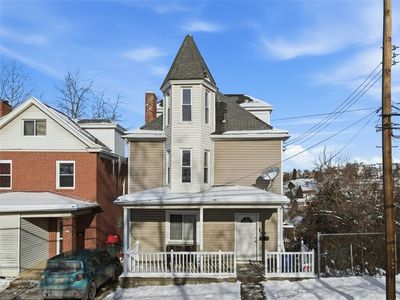
Selling a home is rarely just a financial move. There’s emotion wrapped into it. Stress too. Memories, uncertainty, timing pressure. Especially in a market like Pittsburgh where neighborhood dynamics shift quickly and buyers have become much more cautious lately.
The difference between a smooth experience and a frustrating one often comes down to the agent guiding the process. Not the biggest billboard. Not the flashiest social media presence. Real experience. Local understanding. Honest communication. That’s what actually moves homes.
For homeowners planning to sell house in Pittsburgh, choosing the right professional matters more now than it probably ever has. The market rewards preparation, smart pricing, and strong negotiation. And the agents who consistently deliver those things usually stand out for a reason.
FAQs
How do I choose the right real estate agent in Pittsburgh?
Look beyond advertising. Check recent sales in your area, communication style, local knowledge, and how honestly they answer difficult questions. A good agent should understand the neighborhood, not just the city in general.
What does a top selling real estate agent actually do differently?
They focus heavily on pricing strategy, buyer psychology, negotiation, and presentation. They also know how to manage problems before they become deal-breakers.
Is now a good time to sell house in Pittsburgh?
That depends on your neighborhood, price range, and property condition. Some areas remain competitive while others have slowed slightly. Local market expertise matters a lot right now.
How important is home staging before listing?
Very important in many cases. Buyers form opinions quickly online. Even small adjustments like decluttering, lighting improvements, or furniture placement can impact offers significantly.
Do online home value estimates work accurately?
Not always. Automated tools miss neighborhood nuances, property condition, upgrades, layout issues, and buyer behavior patterns. They can provide a rough estimate, but not a reliable final value.