Healthcare has changed dramatically over the past decade. More people are looking beyond simply treating symptoms and instead want to understand why they developed a health concern in the first place. This growing interest has led many individuals to explore functional medicine, a personalized approach that considers genetics, nutrition, lifestyle, environmental influences, and overall wellness. Rather than focusing on a single disease, functional medicine aims to uncover the deeper reasons behind recurring symptoms and create a plan that supports long-term health.
If you have ever searched online for what is a functional family medicine doctor, you are certainly not alone. These phrases have become increasingly popular as people seek healthcare providers who spend more time understanding their unique health history and developing customized care plans. Instead of relying solely on medications to manage symptoms, functional medicine emphasizes prevention, nutrition, movement, sleep quality, stress management, and advanced diagnostic testing to help restore balance throughout the body.
Understanding Functional Medicine
Functional medicine is a science-based, patient-centered model of care that seeks to identify and address the root causes of illness rather than simply managing symptoms. Every person has a unique genetic makeup, lifestyle, medical history, and environmental exposure, meaning no two treatment plans should be identical. This individualized approach allows practitioners to investigate the factors contributing to health concerns instead of applying a one-size-fits-all solution.
One of the reasons functional medicine has gained widespread attention is its emphasis on understanding how different body systems interact. Digestive health can influence immune function, hormonal balance can affect mental well-being, and chronic inflammation may contribute to a wide range of long-term conditions. Looking at the body as an interconnected system helps practitioners develop comprehensive strategies that support overall wellness rather than focusing on isolated symptoms.
Current guidance from the Institute for Functional Medicine describes functional medicine as a systems biology approach that emphasizes personalized care, patient partnership, and identifying the underlying factors contributing to disease rather than treating symptoms alone.
Why Functional Medicine Is Growing in Popularity
Modern lifestyles often involve poor nutrition, chronic stress, lack of sleep, environmental toxins, and sedentary habits. These factors can contribute to persistent fatigue, digestive discomfort, hormonal imbalances, weight gain, and other chronic health concerns that many people experience despite having routine laboratory results within normal ranges.
Patients are increasingly looking for healthcare professionals who take the time to understand their complete health story. Longer appointments, comprehensive health assessments, detailed laboratory evaluations, and personalized wellness plans have become defining features of functional medicine practices. This patient-centered philosophy helps individuals feel more involved in their healthcare journey while providing practical strategies that support long-term improvements instead of temporary symptom relief.
Research also continues to highlight the importance of nutrition, physical activity, stress reduction, quality sleep, and preventive care in improving overall health outcomes. Functional medicine integrates these evidence-based lifestyle factors into personalized treatment plans, making it an attractive option for individuals seeking a more proactive approach to healthcare.
What Is Functional Medicine?
The simplest answer to what is functional medicine is that it is an approach to healthcare focused on discovering and addressing the underlying causes of disease. Rather than asking, “What medication matches this diagnosis?” functional medicine practitioners often begin by asking, “Why did this condition develop in the first place?”
This philosophy recognizes that many chronic health concerns result from multiple contributing factors rather than a single cause. Nutritional deficiencies, hormone imbalances, chronic inflammation, gut health, stress, environmental exposures, genetics, and lifestyle choices may all play important roles. By identifying these contributing factors, practitioners can create personalized treatment strategies that support the body’s natural ability to function optimally.
Functional medicine also encourages patients to become active participants in their health. Education, sustainable lifestyle changes, and regular follow-up appointments help individuals build healthier habits over time instead of depending entirely on short-term interventions.
The Core Principles Behind Functional Medicine
Several foundational principles distinguish functional medicine from traditional healthcare approaches.
- It focuses on identifying root causes instead of only treating symptoms.
- It recognizes every patient as biologically unique.
- It values prevention as much as treatment.
- It emphasizes nutrition as a cornerstone of health.
- It considers lifestyle, environment, genetics, and emotional well-being together.
- It encourages collaboration between patient and healthcare provider.
- It supports long-term wellness through personalized care plans.
These principles allow practitioners to develop highly individualized strategies that evolve alongside each patient’s changing health needs. Rather than following a standard protocol for every diagnosis, functional medicine emphasizes flexibility, ongoing evaluation, and evidence-informed decision making.
How Functional Medicine Differs from Conventional Healthcare
Conventional medicine excels at emergency care, surgery, infectious disease treatment, and managing acute medical conditions. Functional medicine complements these strengths by concentrating on prevention, chronic disease management, and overall wellness.
A traditional medical visit may focus primarily on diagnosing a condition and prescribing an appropriate treatment. Functional medicine appointments typically involve a much deeper review of medical history, nutrition, sleep patterns, exercise habits, stress levels, digestive health, environmental exposures, family history, and previous laboratory results. This broader perspective helps identify patterns that might otherwise go unnoticed.
The goal is not to replace conventional medicine but to work alongside it whenever appropriate. Many patients benefit from combining both approaches, receiving necessary medical treatments while also addressing lifestyle factors that contribute to long-term health. This collaborative philosophy has made functional medicine an increasingly valuable option for individuals seeking more comprehensive healthcare.
What Is a Functional Medicine Doctor?
If you have been wondering what is a functional medicine doctor, the answer goes beyond a simple job title. A functional medicine doctor is a licensed healthcare professional who combines conventional medical knowledge with a personalized, root cause approach to health. Instead of only looking at a diagnosis, they examine how your diet, sleep, exercise habits, stress levels, hormones, digestive health, genetics, and environmental exposures interact to influence your overall well-being.
One of the biggest differences patients notice is the amount of time spent during appointments. Rather than rushing through symptoms, a functional medicine doctor takes the opportunity to understand your complete health history. This includes reviewing previous lab work, discussing lifestyle habits, identifying recurring health patterns, and learning about family history. The goal is to understand why symptoms developed instead of simply masking them.
A personalized treatment plan often includes several evidence-informed strategies, such as:
- Nutritional guidance based on individual needs
- Lifestyle and behavioral recommendations
- Exercise and movement planning
- Sleep optimization
- Stress management techniques
- Advanced laboratory testing when clinically appropriate
- Ongoing monitoring and adjustments
This comprehensive approach helps patients become active participants in their own health journey. Instead of depending entirely on medications, they learn sustainable habits that support long-term wellness.
Education and Training
A functional medicine doctor first completes the education and licensing required for their primary medical profession. Many then pursue additional education in functional medicine through recognized training programs and continuing education.
These practitioners often stay updated on emerging research related to nutrition, metabolism, inflammation, hormone balance, gut health, and chronic disease prevention. Their commitment to lifelong learning allows them to combine current scientific evidence with individualized patient care.
Conditions Functional Medicine Commonly Addresses
Functional medicine is often chosen by people who experience persistent symptoms that affect their quality of life. While every patient is different and treatment depends on an individual’s medical needs, this approach is commonly used alongside conventional care for concerns such as:
- Persistent fatigue
- Digestive discomfort
- Hormonal imbalances
- Thyroid-related concerns
- Weight management challenges
- Blood sugar regulation
- Chronic inflammation
- Sleep disturbances
- Brain fog
- Stress-related symptoms
- Women’s and men’s hormone health
Because every person is unique, treatment plans are customized rather than standardized. Two people with the same diagnosis may receive different recommendations depending on their health history, lifestyle, and laboratory findings.
What Is a Functional Family Medicine Doctor?
Many people also ask what is a functional family medicine doctor, especially when searching for healthcare that supports every stage of life.
A functional family medicine doctor combines the principles of family medicine with the personalized philosophy of functional medicine. Instead of treating one person in isolation, they consider family history, shared lifestyle habits, nutrition, environmental influences, and preventive care that may affect multiple generations.
This whole-family perspective helps identify health patterns that can influence parents, children, and older adults alike. Rather than waiting for illness to develop, functional family medicine encourages healthy habits that support long-term wellness across the entire family.
Preventive care remains one of the strongest advantages of this model. Regular health assessments, personalized wellness plans, nutrition education, and lifestyle coaching can help individuals make informed decisions before chronic health concerns become more complex.
The Root Cause Approach
One of the defining principles of functional medicine is asking a different question.
Instead of asking, “Which medication treats this symptom?”
The question becomes, “Why is this symptom happening?”
That shift changes the entire healthcare experience.
For example, chronic fatigue may be influenced by poor sleep, nutrient deficiencies, hormone changes, chronic stress, inflammation, or metabolic concerns. Digestive symptoms may involve food sensitivities, gut microbiome imbalances, or lifestyle factors. Weight management challenges may be affected by hormones, insulin resistance, physical activity, stress, and nutrition together rather than a single cause.
By investigating these interconnected factors, practitioners can develop personalized recommendations designed to improve overall health instead of focusing on one symptom at a time.
Nutrition Plays a Central Role
Food provides the building blocks your body needs to function effectively. Functional medicine recognizes that nutrition influences nearly every system in the body, including digestion, metabolism, immune health, cardiovascular function, and hormone balance.
Rather than promoting one universal eating plan, practitioners evaluate each individual’s needs before making recommendations. Factors such as food quality, nutrient intake, allergies, sensitivities, activity level, and existing medical conditions all play an important role.
Many patients benefit from learning how small, sustainable dietary improvements can have a meaningful impact over time. Replacing highly processed foods with nutrient-dense options, improving hydration, increasing fiber intake, and balancing protein, healthy fats, and complex carbohydrates can support better overall health when combined with other healthy lifestyle habits.
Lifestyle Factors That Influence Long-Term Health
Health is influenced by much more than genetics. Daily habits often have a significant effect on how the body functions over time.
Functional medicine encourages patients to evaluate areas such as:
- Sleep quality
- Physical activity
- Nutrition
- Stress management
- Hydration
- Social connection
- Environmental exposures
- Mental well-being
Even modest improvements in these areas can contribute to better energy levels, improved resilience, and enhanced quality of life. Rather than expecting overnight results, functional medicine emphasizes gradual, sustainable changes that are realistic for each individual.
Why More People Are Choosing Functional Medicine
Healthcare consumers today are increasingly interested in personalized care. Many people want to understand the factors contributing to their health rather than receiving only short-term symptom management.
Functional medicine offers a collaborative approach where patients and healthcare providers work together to develop realistic, individualized plans. Longer consultations, detailed health assessments, education, and ongoing follow-up help many individuals feel more informed and engaged in their healthcare decisions.
This growing interest reflects a broader shift toward preventive care, healthy lifestyle habits, and whole-person wellness. While functional medicine is not a replacement for conventional medical care, it can complement traditional treatment by addressing lifestyle and environmental factors that influence overall health.
Conclusion
Understanding what is functional medicine, can help you make more informed decisions about your healthcare. Rather than focusing only on symptoms, functional medicine looks at the bigger picture by considering nutrition, lifestyle, genetics, environment, and overall wellness. This personalized approach aims to identify the underlying factors that may be affecting your health while supporting long-term well-being through evidence-informed care.
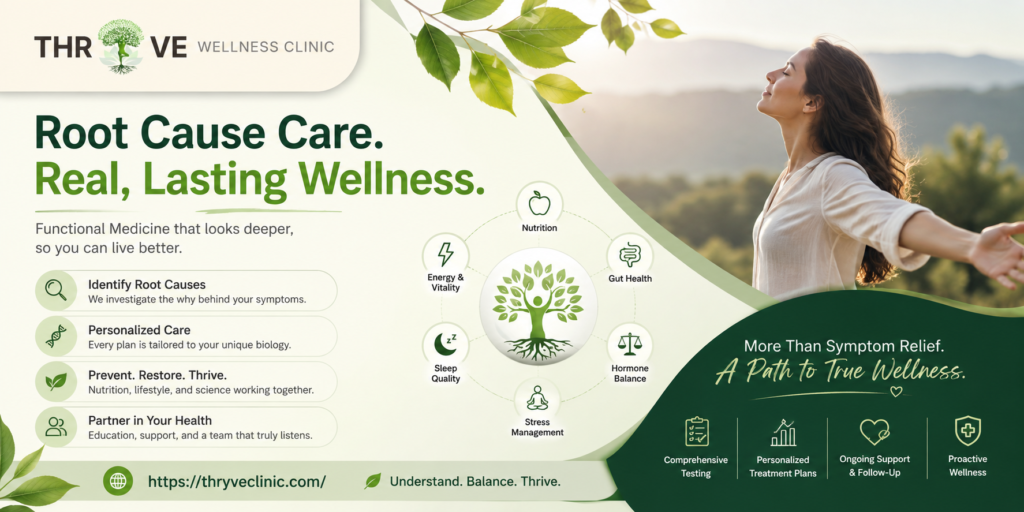
If you’re looking for a more personalized approach to your health, the experienced team at THRYVE Wellness Clinic is here to help. Through comprehensive evaluations, advanced laboratory testing, and individualized treatment plans, THRYVE focuses on helping patients better understand their health and work toward lasting wellness. Visit https://thryveclinic.com/ to learn more about the clinic’s services and take the next step toward a healthier future.
Frequently Asked Questions
1. What is functional medicine?
Functional medicine is a patient-centered approach that focuses on identifying and addressing the underlying factors that contribute to illness. It combines evidence-informed medicine with personalized lifestyle, nutrition, and preventive care strategies.
2. What is a functional medicine doctor?
A functional medicine doctor is a licensed healthcare professional who evaluates the whole person rather than focusing only on symptoms. They consider medical history, lifestyle, nutrition, genetics, and environmental factors when developing individualized care plans.
3. What is a functional family medicine doctor?
A functional family medicine doctor applies functional medicine principles while caring for patients across different stages of life. They emphasize prevention, personalized care, and family health to support long-term wellness.
4. Is functional medicine evidence-based?
Functional medicine incorporates evidence-informed practices while emphasizing individualized care. Recommendations are based on a patient’s unique health needs and should complement appropriate conventional medical care.
5. Who can benefit from functional medicine?
People seeking a more personalized approach to health, preventive care, lifestyle optimization, or support for chronic health concerns may find functional medicine beneficial. A qualified healthcare professional can help determine whether it is appropriate for an individual’s specific needs.