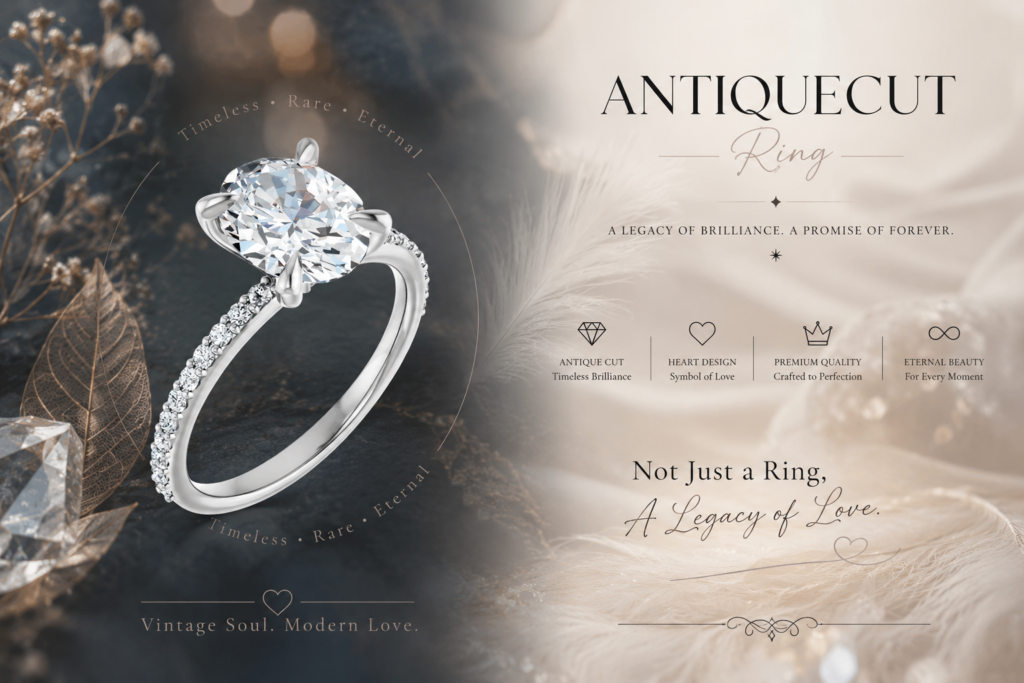
Why the Beauty of White Jewelry Lies Beyond Its Shine
White-colored jewelry has become one of the most admired choices for people who appreciate timeless elegance. Its soft, bright appearance complements almost every outfit, gemstone, and personal style. Whether chosen for engagement rings, wedding bands, necklaces, earrings, or bracelets, this precious metal continues to be associated with sophistication and modern luxury.
Many buyers are attracted to its polished appearance without realizing that its attractive finish comes from a carefully balanced combination of metals. Understanding its composition helps consumers make better purchasing decisions, maintain their jewelry properly, and appreciate the craftsmanship behind every piece.
Unlike naturally white metals, this material is created through a thoughtful alloying process that improves durability while preserving the beauty people expect from fine jewelry. Learning about its structure can help explain why it has remained a favorite among jewelry enthusiasts for decades.
The Science Behind Its Elegant Appearance
Gold in its natural form has a rich yellow color. Although beautiful, pure gold is relatively soft, making it less practical for jewelry that is worn every day. To improve its strength and modify its appearance, jewelers combine it with other carefully selected metals.
These additional metals may include nickel, palladium, silver, zinc, or similar materials depending on the desired characteristics. Each metal contributes something different to the final alloy. Some improve hardness, others increase durability, while certain metals help achieve a lighter appearance.
The exact combination often varies among manufacturers, meaning no two alloys are necessarily identical. The proportions depend on factors such as durability requirements, production methods, customer preferences, and potential metal sensitivities.
The finished alloy is then typically coated with rhodium, a member of the platinum family known for its brilliant reflective surface. This coating provides the bright white finish that many people immediately recognize.
Over time, everyday wear gradually reduces the rhodium layer. As this happens, the underlying alloy becomes more visible, giving the jewelry a slightly warmer tone. This natural process is one reason many owners choose occasional professional replating to restore the original brilliance.
Understanding these manufacturing steps helps explain why this jewelry combines beauty with practical strength.
Why Alloy Composition Matters
The ingredients used in any precious metal alloy significantly affect its long-term performance. While appearance is often the first thing customers notice, durability becomes equally important after years of regular use.
Different alloy combinations provide different benefits.
Nickel-based alloys generally produce harder jewelry that resists scratches well. However, some individuals experience skin irritation when wearing nickel-containing jewelry.
Palladium-based alloys, on the other hand, are naturally hypoallergenic and offer excellent corrosion resistance. Although they may increase manufacturing costs, many buyers appreciate their comfort and premium quality.
Silver may be added to influence color and workability, while zinc often assists during manufacturing by improving casting performance.
The karat rating also plays a major role in determining composition.
A higher karat means the jewelry contains more pure gold, resulting in greater intrinsic value but slightly reduced hardness. Lower karat options contain a higher percentage of alloy metals, making them more resistant to dents and scratches.
For example, 18-karat jewelry contains approximately 75% pure gold, whereas 14-karat jewelry contains around 58.5%. Both remain popular because they balance beauty with durability, although personal preference often determines which is the better choice.
These differences demonstrate why composition matters just as much as appearance when selecting jewelry designed for everyday use.
Choosing Jewelry That Matches Your Lifestyle
Every jewelry enthusiast has different expectations. Some wear their favorite pieces every day, while others reserve them for special occasions. Understanding how different alloys perform allows buyers to choose jewelry that fits their lifestyle.
Individuals with active routines may prioritize scratch resistance and durability. Rings, in particular, receive constant exposure to daily activities such as typing, lifting objects, cooking, and household tasks. A stronger alloy can help preserve the jewelry’s appearance over time.
Those with sensitive skin may prefer nickel-free options containing palladium or similar hypoallergenic metals. Although these alternatives may cost more, they often provide greater comfort for long-term wear.
Climate and environmental exposure also influence maintenance. Jewelry frequently exposed to lotions, perfumes, cleaning products, swimming pools, or saltwater may require more frequent cleaning and periodic professional inspections.
Consumers should also remember that brilliant white jewelry does not remain exactly the same forever. Rhodium plating naturally wears with time, particularly on rings that experience constant friction.
Professional polishing and replating restore the original brightness without affecting the precious metal underneath. Routine maintenance helps preserve both appearance and value for many years.
These practical considerations allow buyers to enjoy their jewelry with realistic expectations while protecting their investment.
Understanding Quality Beyond Surface Beauty
Many first-time buyers evaluate jewelry primarily by appearance. While visual appeal certainly matters, experienced collectors know that quality extends far beyond the surface.
Craftsmanship influences how securely gemstones are held, how smoothly settings are finished, and how comfortably jewelry fits during everyday wear.
Well-made pieces feature clean edges, balanced proportions, secure prongs, and carefully polished surfaces. Even small details contribute to long-term durability.
Hallmarks also provide valuable information. Stamps such as 14K or 18K indicate the purity level of the gold content, helping buyers understand what they are purchasing.
Certificates, warranties, and trusted jewelers further increase confidence when investing in fine jewelry.
People often compare white-toned jewelry with platinum because both share a similar appearance. However, they differ considerably in composition, density, maintenance, and pricing.
Platinum is naturally white throughout the metal and generally requires less surface maintenance. White gold achieves its color through alloying and rhodium plating, making occasional replating part of normal ownership.
Neither option is universally better. The ideal choice depends on budget, personal preferences, maintenance expectations, and intended use.
Taking time to understand these distinctions helps buyers select jewelry they will continue to appreciate for many years.
Learning More Before Making an Investment
Purchasing fine jewelry is often associated with life’s most meaningful moments. Engagements, anniversaries, birthdays, graduations, and family celebrations deserve thoughtful decisions backed by reliable information.
Rather than focusing only on appearance, informed buyers consider alloy composition, karat value, durability, maintenance, craftsmanship, and long-term comfort.
If you’re interested in exploring the technical details behind its composition, you can read more about What Is White Gold Made Of through the educational resources provided by Antiquecut, where buyers can better understand the materials and craftsmanship involved in creating elegant jewelry.
Conclusion
Beautiful jewelry represents much more than a polished finish. Behind every elegant piece lies a carefully engineered combination of precious metals designed to balance appearance, durability, and comfort.
Understanding how different alloys influence strength, color, maintenance, and wear helps consumers make informed decisions rather than relying solely on visual appeal. Small differences in composition can affect everything from scratch resistance to skin compatibility and long-term care requirements.
Choosing quality jewelry also involves recognizing the importance of craftsmanship, proper maintenance, and selecting the right karat for your lifestyle. With realistic expectations and routine care, these pieces can retain their elegance for generations while continuing to mark life’s most memorable occasions.
Knowledge ultimately enhances appreciation. When buyers understand the materials behind their favorite jewelry, they gain greater confidence in every purchase and a deeper respect for the artistry that transforms precious metals into timeless creations.