A roof replacement is one of the more significant home improvement decisions you‘re likely to face, and even the first question most homeowners are likely to ask is, How much does a new roof cost? There‘s no “one-price-fits-all” to the roofing world, as costs can vary greatly based on a combination of issues such as whether it‘s a large or small roof, the materials used, the labor required, the design of the roof, the condition of the roof and other installation considerations.
Being aware of the above factors will enable homeowners to plan their budgets accordingly and make more informed decision when it is time to replace your roof.
1. Roof Size
The overall size of the roof is one of the major determining factors in the cost of roofing. Most roofing contractors determine the cost of roofer and roofing supplies based on the roof square footage which refers to roofing squares.
The size of the home influences the cost of roof coverings, underlayment, flashing, and vents, and the amount of labor needed. There is not a large variance in cost due to home size because roof shape and pitch also impact price.
Prior to obtaining an estimate, an inspection by a professional can provide the actual dimensions of the roof and what materials are necessary to complete the project.
2. Roofing Material
The class of roofing material selection may affect the cost of material significantly. Asphalt shingle is often selected as residential roofing material for both variety of style and pricing. Metal, tile, slate and other materials might be more expensive; as a result of material costs, labor costs, and longevity.
More factors need to be taken into account by the home owner than just the price. The longevity, long term maintenance, appearance, energy saving qualities and local weather should all be considered.
3. Roof Pitch and Design
A roof with a steep pitch or complex design may take longer to install and may require the use of special equipment. Complex roofs with multiple slopes, valleys, dormers, skylights or other features may also require additional flashing and more detailed installation.
A straightforward roof structure would be easier and quicker to construct, but the cost of labor would increase for more intricate roof designs. Specifications could push the price up when extra equipment is needed for safe working on a steep part of the roof.
4. Condition of the Existing Roof
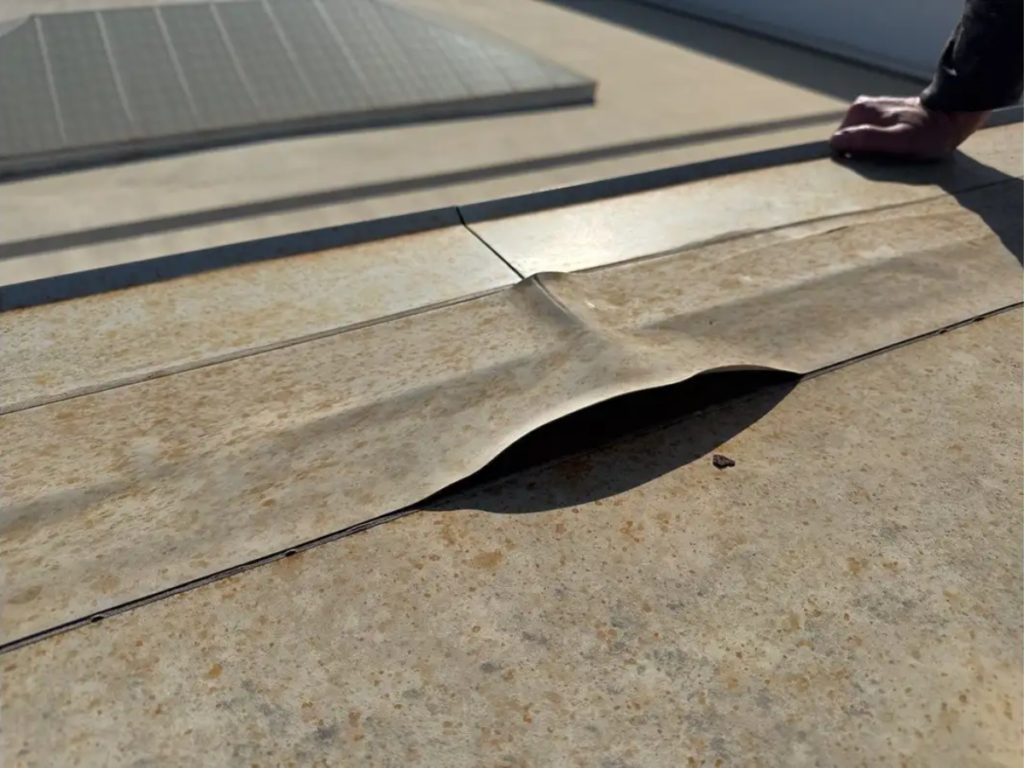
The existing roof‘s condition can influence the cost of a new roof as well. If the present roof is fairly damaged it can requires extra repairs to be carried out before new materials can be put in place.
Consider replacing damaged decking after the removal of older shingles. Also, address issues related to moisture, rot, flashing, or ventilation.
Sometimes, however, the householder does not require a full replacement right away. If the roof is only partially damaged, residential roof repairs may be the most cost-effective and affordable approach. An expert can assess the extent of the damage and advise whether small repairs are likely to be adequate or a full replacement is recommended.
5. Labor Costs
Labor is also a major component of a roofing estimate. Cost of installation may vary due to the size and difficulty of a job, the type of roofing material being installed, and any prep work needed.
Roofers in Cypress can inspect the home, inform what work is necessary, and give an estimate reflective of the true state and criteria of the roof. It is necessary to obtain a detailed estimate simply so the homeowners will know precisely what they are paying for.
6. Removal and Disposal of Old Roofing
A Roof Replacement may include removal of an existing roof. Removal quantities and material can impact labor and disposal costs. Removal of multiple layers of old roofing can take more time and effort. Waste disposal charges can be different depending on the amount of junk produced.
Ask if the cost of tear-off and disposal are included in the roofing estimate to avoid surprises when the bill arrives.
7. Roof Decking and Structural Repairs
The roof deck forms the surface of a variety of roofing systems. If parts of the decking become compromised through age, water, or previous damage, the sections may have to be replaced.
Structural issues can also add to the overall cost of project, as money will have to be spent on more materials and Time. It is good to know of the problems before installation, as it is not desirable to cover the damage to the decking.
8. Flashing, Ventilation, and Other Components
A roofing system involves more than just shingles or other exposed materials. Flashing around the chimneys, vents, skylights, walls, and other areas also assist in preventing water from penetrating the home.
Ventilation is necessary for both your roof‘s function and to help control of the moisture levels. If a replacement was done there may be a need to get new flashing, vents, underlayment, drip edges.
While these details may be added on to the total price they are part of a well installed roof.
9. Local Weather Conditions
The Weather can affect the materials used for roofing & installation requirements. Buildings situated in environments subject to high winds, heavy rain or major storms may consider roofing products which are capable of withstanding the local environment.
Selecting the right materials and ensuring that they are installed properly can help to safeguard the house and prevent early issues.
10. Permits and Additional Requirements
A permit or inspection, if necessary, will depend on the area and scope of the work. Local building codes can influence what materials and methods of installation can be used during a roof replacement.
A roofing contractor, a qualified roofing specialist professional, will inform homeowners of the requirements for their property and take them into consideration in their estimate for the work.
Plan Your Roofing Budget Carefully
The price of a new roof can vary greatly depending on many factors. Factors can include: the size of the roof, material used, existing damage, labor, decks, ventilation, planning and removing.
Before you begin to choose, have your roof inspected and get a clear quote from the company explaining exactly what kind of work and materials will be included in the project. Whether you are replacing the entire roof or just having residential roof repair done, knowing what you will be paying for can be helpful.