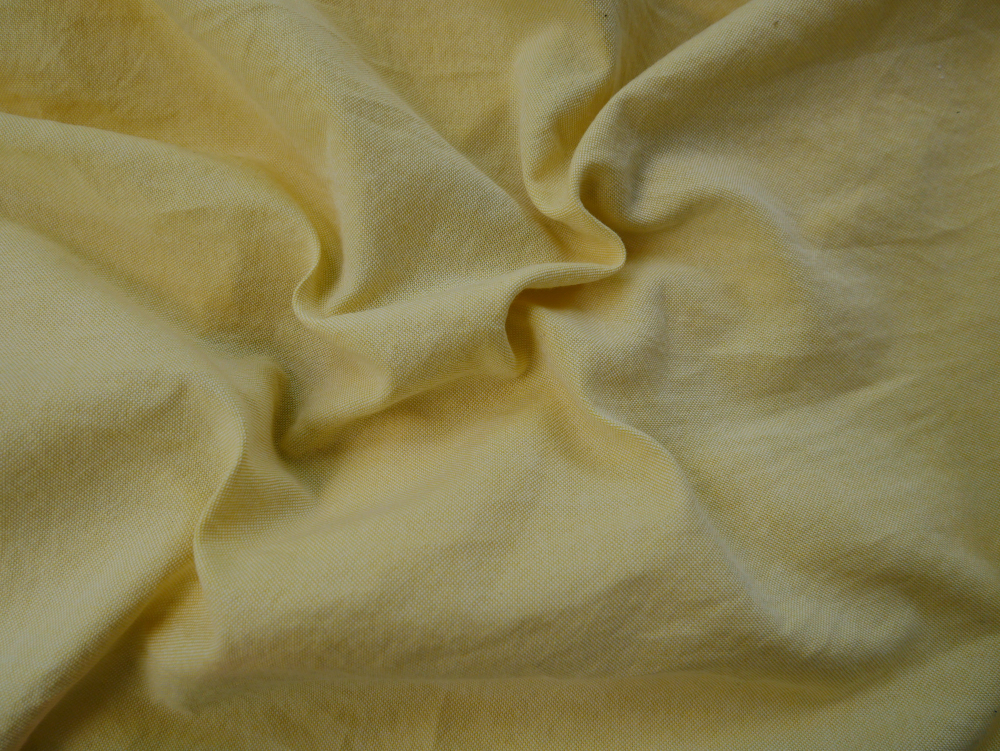
Viscose fabric
Viscose fabric is a semi-synthetic fiber made from wood pulp cellulose. It offers a unique combination of softness, breathability, drapability, and affordability—making it one of the most versatile materials in apparel production. Brands sourcing viscose fabric wholesale can produce high-quality garments at competitive prices across a wide range of applications.
Fabriclore Pvt. Ltd. — one of India’s leading fabric suppliers, serving 400+ private labels globally both in-store and online — consistently counts viscose among its most in-demand materials. And it’s easy to see why.
Viscose has been around since the late 1800s, developed as a more accessible alternative to silk. Made from regenerated cellulose—typically sourced from wood pulp—it sits in an interesting middle ground: not fully natural, not fully synthetic. That balance gives it a performance profile few other fabrics can match.
This post breaks down exactly what viscose fabric offers, where it outperforms the competition, how sustainable it really is, and how to care for it properly. If you’re a fashion brand, apparel manufacturer, or buyer looking to buy fabric online, this guide gives you a clear, factual picture.
What Makes Viscose Fabric Different From Other Fibers?
Softness and Comfort
Viscose has a naturally smooth, silky texture that sits comfortably against the skin. Unlike synthetic fibers such as polyester, viscose doesn’t create static and rarely irritates sensitive skin. This makes it a reliable choice for garments worn close to the body—think blouses, dresses, and innerwear.
Breathability for Warm Climates
Viscose is highly breathable. It allows air to circulate freely, making it a practical fabric for warm and humid climates. For brands producing summer collections or activewear, viscose fabric performs well where polyester typically falls short.
Absorbency and Dye Performance
Viscose absorbs moisture efficiently—better than most synthetic alternatives. This property also means it takes dye exceptionally well. Colors appear more vibrant and consistent across fabric lots, which is a significant advantage when maintaining brand color standards in apparel production.
Drapability
Few fabrics flow as naturally as viscose. Its drapability makes it a go-to material for fluid silhouettes—maxi dresses, wrap tops, wide-leg trousers. The fabric moves with the body rather than against it, which is a key reason fashion designers continue to rely on it.
Affordability at Scale
Viscose fabric is significantly more affordable than natural silk, while offering a similar aesthetic. For brands buying viscose fabric wholesale, this cost efficiency adds up quickly—especially when producing at volume. You get a premium look without the premium price tag.
Key Advantages of Viscose in Apparel Production
Versatility in Fiber Blending
Viscose blends seamlessly with cotton, polyester, spandex, and linen. Each blend enhances specific performance characteristics:
- Viscose-cotton: Adds softness and breathability to structured pieces
- Viscose-spandex: Improves stretch and recovery for fitted garments
- Viscose-polyester: Increases durability and reduces wrinkle formation
This blending flexibility gives manufacturers more control over the final product’s behavior, weight, and feel.
Wide Application Across Categories
Viscose fabric works across virtually every apparel category:
- Dresses and skirts
- Blouses and shirts
- Linings and underlayers
- Activewear and athleisure
- Ethnic and occasion wear
For brands managing diverse product lines, this versatility reduces the number of base materials they need to source and stock.
Hypoallergenic Properties
Viscose is gentle on sensitive skin. It doesn’t trap heat or moisture the way synthetic fabrics can, and its smooth surface reduces friction-related irritation. Brands producing garments for children, elderly consumers, or medical-adjacent apparel often prioritize viscose for this reason.
How Viscose Compares to Other Common Fabrics
|
Property |
Viscose |
Cotton |
Silk |
Polyester |
|---|---|---|---|---|
|
Softness |
High |
High |
Very High |
Low–Medium |
|
Breathability |
High |
High |
Medium |
Low |
|
Dye Absorption |
Excellent |
Good |
Good |
Moderate |
|
Cost |
Low–Medium |
Medium |
High |
Low |
|
Durability |
Medium |
High |
Medium |
High |
|
Biodegradability |
Yes |
Yes |
Yes |
No |
Viscose holds its own in most categories and outperforms polyester in comfort and sustainability metrics.
How Sustainable Is Viscose Fabric Production?
This question deserves a direct answer: viscose has a mixed sustainability record, but production practices are improving.
The good news:
- Viscose is derived from cellulose, typically sourced from wood pulp in sustainably managed forests (often FSC-certified)
- Viscose fibers are biodegradable, unlike most synthetics
- Newer closed-loop processes—such as those used in Lyocell/Tencel production—recycle up to 99% of the chemicals and water used during manufacturing
The challenges:
- Conventional viscose production uses chemicals like carbon disulfide, which can be harmful if not properly managed
- Water consumption in traditional processes is high
- Not all suppliers adhere to the same environmental standards
The gap between conventional and next-generation viscose production is narrowing. Brands sourcing viscose fabric wholesale should ask suppliers directly about their production certifications and chemical management practices. Fabriclore Pvt. Ltd., for example, offers sustainable fabric options including Tencel, Ecovero, and Modal alongside conventional viscose—giving brands the flexibility to align materials with their sustainability goals.
How to Care for Viscose Apparel
Viscose requires a bit more attention than cotton or polyester. Getting care right extends the life of the garment significantly.
Washing
- Hand wash in cold water when possible
- Machine wash on a delicate cycle using a mesh laundry bag
- Use a mild, pH-neutral detergent
- Avoid wringing or twisting wet viscose—it weakens the fibers
Drying
- Lay flat to dry rather than hanging, which can distort the shape
- Keep away from direct sunlight to prevent color fading
- Avoid tumble drying; high heat damages viscose fibers
Ironing and Steaming
- Iron on a low heat setting while the fabric is still slightly damp
- Always use a pressing cloth between the iron and the fabric
- Steaming is a safer and equally effective alternative to ironing
With proper care, viscose garments maintain their structure, color, and texture across many wash cycles—making them a worthwhile investment for consumers and a strong product offering for brands.
The Future of Viscose in Fashion
Viscose fabric isn’t going anywhere. As consumer demand for affordable, breathable, and skin-friendly clothing grows, viscose remains one of the few materials that checks all those boxes without an inflated price tag. At the same time, advancements in closed-loop production and bio-based alternatives are making viscose progressively cleaner to produce.
For brands evaluating their fabric mix, viscose fabric—whether sourced locally or when you buy fabric online—offers a practical combination of performance, aesthetics, and cost efficiency. Suppliers like Fabriclore Pvt. Ltd. make it easier to source viscose fabric wholesale with low minimum order quantities, customized printing options, and reliable delivery timelines.
The brands that understand viscose’s strengths—and its care requirements—will continue to use it to produce garments that look good, feel comfortable, and hold up over time.
Frequently Asked Questions About Viscose Fabric
What is viscose fabric made from?
Viscose is made from regenerated cellulose, most commonly derived from wood pulp. The pulp is chemically processed into a fiber that can be spun and woven into fabric. It is semi-synthetic—neither fully natural nor fully artificial.
Is viscose fabric good for sensitive skin?
Yes. Viscose is hypoallergenic and smooth-textured, making it suitable for sensitive skin. It doesn’t trap heat or create friction the way many synthetic fabrics do.
Where can I buy viscose fabric online or wholesale?
You can buy viscose fabric online through platforms like Fabriclore Pvt. Ltd., which offers both wholesale and retail purchasing options with customization services. Viscose fabric wholesale orders typically come with lower per-unit costs and can include custom prints or dye lots.
Is viscose biodegradable?
Yes, viscose fibers are biodegradable. Unlike polyester or nylon, viscose breaks down naturally over time, making it a better end-of-life option from a sustainability standpoint.
How does viscose compare to cotton?
Viscose is smoother and drapes better than cotton. Cotton is generally more durable and easier to care for. For formal or fashion-focused garments, viscose often produces a better aesthetic result. For everyday workwear or children’s clothing, cotton may be more practical.
Can viscose be blended with other fabrics?
Yes. Viscose blends well with cotton, polyester, spandex, and linen. Blending modifies its performance—adding stretch, durability, or structure depending on the fiber mix.