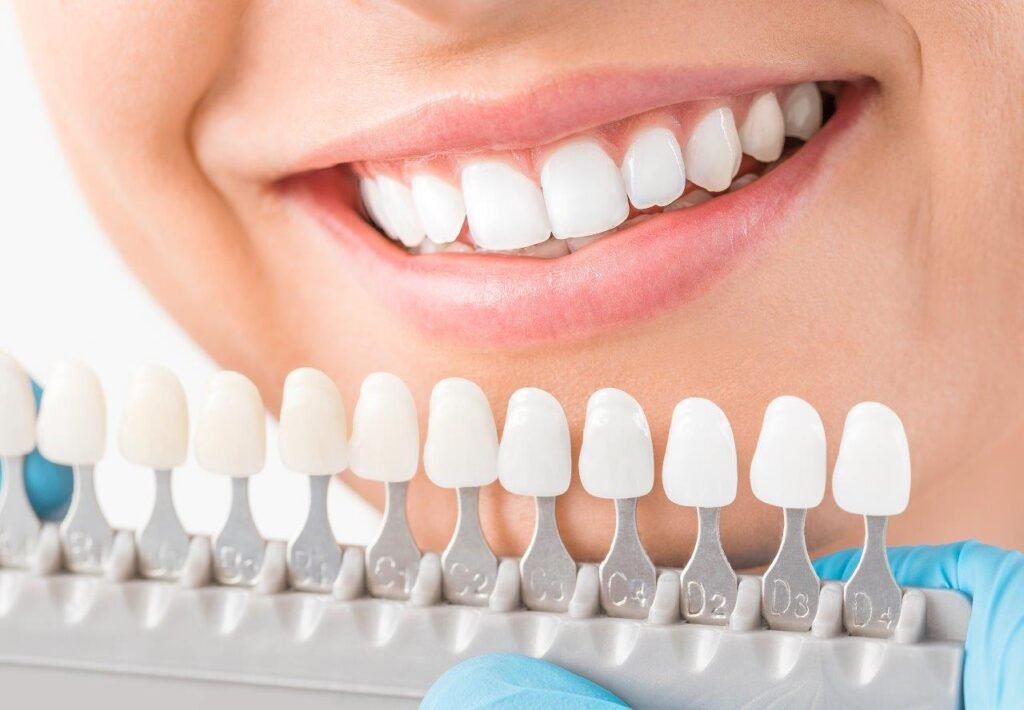
A smile is an important part of facial expression and everyday communication. The appearance of the teeth can influence how a smile looks, particularly when concerns such as discoloration, uneven edges, small gaps, or irregular tooth shapes are present. Modern cosmetic dentistry offers several ways to improve these concerns, and veneers are one option that can provide a customized approach to smile enhancement.
Veneers Dubai are thin, custom-made coverings designed to be placed over the visible front surfaces of selected teeth. They can be created to complement the natural appearance of the smile while addressing specific cosmetic concerns. Depending on the type of veneer selected, the treatment may alter tooth colour, shape, size, and overall visual symmetry.
However, veneers are not simply about creating whiter teeth. Successful veneer treatment involves careful planning, an understanding of facial and dental proportions, and a design that suits the individual’s natural features. This guide explores how veneers can transform a smile and what to consider before choosing treatment.
What Are Dental Veneers?
Dental veneers are thin shells made from dental materials such as porcelain or composite resin. They are designed to cover the front surface of a tooth and can be customized according to the patient’s desired appearance and dental anatomy.
Veneers can be used to address selected cosmetic concerns, including tooth discoloration, minor shape irregularities, uneven edges, and small spaces between teeth.
The treatment is individualized. Not every tooth needs a veneer, and the number of veneers required depends on the patient’s smile goals and the dentist’s assessment.
How Veneers Can Transform Your Smile
One of the main attractions of Veneers Dubai is their ability to address several cosmetic characteristics at the same time.
A carefully planned veneer treatment can help create a more consistent appearance by coordinating tooth colour, shape, length, and proportions.
Rather than focusing on one isolated imperfection, the dentist can consider the overall smile and how the teeth relate to the lips, gums, and facial features.
The result is intended to be a cohesive smile design that complements the individual’s appearance.
Correcting Tooth Discoloration
Tooth discoloration is one of the common cosmetic concerns that leads people to explore veneers.
Teeth can become darker or develop uneven colouring over time due to natural aging, certain foods and drinks, lifestyle factors, or previous dental treatments.
Professional whitening can be useful for certain types of discoloration, but veneers may be considered when a person wants a more comprehensive change in the visible appearance of selected teeth.
Veneers can be designed in a chosen shade that complements the surrounding teeth and overall smile.
Improving Tooth Shape
The shape of the teeth can have a significant influence on the appearance of a smile.
Some people naturally have teeth that appear shorter, narrower, uneven, or irregularly shaped. Small differences may also develop due to natural wear.
Veneers can alter the visible shape of selected teeth by adding a carefully designed layer to the front surface.
The dentist can consider tooth width, length, contours, and alignment when designing the restoration.
Creating a More Balanced Smile
Smile aesthetics involve more than individual teeth. Proportion and symmetry are important when creating a harmonious appearance.
Veneers can be designed to help establish more consistent relationships between the visible teeth.
For example, if one tooth appears noticeably shorter than its neighbours, a veneer may be considered to modify its visible length. Similarly, differences in tooth width can sometimes be addressed through customized veneer design.
The objective is to create balance rather than make every tooth look identical.
Addressing Small Gaps Between Teeth
Small spaces between teeth can affect the appearance of a smile. Depending on the cause and size of the gap, different dental treatments may be available.
In selected cases, veneers can be used to alter the visible width of teeth and reduce the appearance of small spaces.
However, not every gap should be treated with veneers. Orthodontic treatment or other dental approaches may be more appropriate depending on the underlying cause.
A dental examination is therefore important before deciding on cosmetic treatment.
Improving Minor Tooth Irregularities
Minor irregularities in tooth shape or surface appearance can sometimes be improved with veneers.
A veneer can provide a new visible surface that is designed according to the desired shape and surrounding teeth.
The extent of improvement depends on the condition of the natural tooth and the type of veneer selected.
Your dentist can explain whether veneers are suitable for the specific irregularities you want to address.
Veneers and Smile Design
Modern cosmetic dentistry often takes a smile-design approach rather than treating each tooth independently.
Smile design involves evaluating the relationship between teeth, gums, lips, and facial features.
The dentist may consider:
- Tooth colour
- Tooth shape
- Tooth length
- Tooth width
- Smile line
- Gum visibility
- Facial proportions
- Existing tooth alignment
These factors can influence the design of the veneers.
A customized approach helps ensure that the proposed smile complements your natural features rather than appearing disconnected from them.
Choosing the Right Veneer Material
Veneers are available in different materials, with porcelain and composite resin being common options.
Porcelain veneers are fabricated to provide a durable and natural-looking restoration. They can be customized in terms of colour, shape, and translucency.
Composite veneers are made using tooth-coloured resin that is applied and shaped by the dentist. They can often be completed more directly in the dental clinic.
The most appropriate material depends on your dental condition, cosmetic goals, budget, and dentist’s recommendation.
Understanding Composite Veneers
Composite veneers can be an option for people who want to improve selected cosmetic characteristics of their teeth using composite resin.
The material can be shaped to modify tooth colour, form, and proportions.
Because composite veneers are applied directly to the tooth, the treatment process can differ from laboratory-fabricated porcelain veneers.
A dentist can explain the differences between available materials and help determine which option matches your goals.
How the Veneer Treatment Process Works
The process usually begins with a consultation and smile assessment.
The dentist examines your teeth and discusses the changes you would like to make. Depending on the circumstances, dental photographs, digital scans, X-rays, or other assessments may be used.
The dentist then develops a treatment plan based on the number of teeth being treated, desired colour, shape, and overall smile design.
For porcelain veneers, the teeth may require preparation before impressions or digital scans are taken. The veneers are fabricated according to the approved design before being fitted.
The final restorations are checked for shape, colour, fit, and bite before being permanently placed.
The exact process varies depending on the veneer material and individual treatment plan.
What Makes a Veneer Look Natural?
Natural-looking veneers depend on careful attention to several details.
Tooth colour is important, but translucency, surface texture, shape, and proportions also influence the appearance.
A veneer that is overly uniform in colour or shape may appear less natural than one designed with subtle variations that reflect the surrounding teeth.
The dentist and dental laboratory can work together to create restorations that fit naturally within the smile.
Are Veneers Suitable for Everyone?
Veneers may be suitable for many people with cosmetic concerns, but they are not appropriate for every dental condition.
Before treatment, the dentist will assess the health of the teeth and gums. Existing dental conditions may need to be addressed before cosmetic treatment is considered.
Your bite, tooth structure, alignment, and overall oral health may also influence the treatment plan.
The goal is to ensure that veneers are being used appropriately for the patient’s dental circumstances.
The Importance of Healthy Teeth and Gums
Cosmetic treatment should begin with a healthy foundation.
If a person has untreated tooth decay or significant gum problems, these issues may need to be addressed before veneers are placed.
A dentist can examine the teeth and gums during the initial consultation and recommend appropriate treatment where necessary.
Maintaining good oral hygiene after veneer placement is also important for supporting the surrounding natural teeth and gum health.
Choosing a Veneer Shade
Choosing a veneer shade is a personal decision, but it should also be considered in relation to the individual’s natural features and smile.
Some people prefer a subtle shade close to their natural teeth, while others may want a brighter appearance.
The dentist can show available shade options and discuss how the selected colour will interact with the surrounding teeth.
If multiple teeth are being treated, creating a consistent shade across the smile may be part of the treatment plan.
Veneers and Facial Proportions
A smile does not exist independently from the rest of the face. Tooth proportions can influence how the smile relates to the lips and facial structure.
For this reason, veneer design may take facial symmetry and proportions into account.
The dentist can evaluate the shape and size of the teeth in relation to the individual’s smile and facial features.
This broader perspective can help create a more balanced result than simply choosing a generic tooth shape.
What Happens During a Veneers Dubai Consultation?
If you are considering Veneers Dubai, consultation is an important first step.
Your dentist may ask about your smile concerns and what you would like to change. The teeth and gums will be assessed to determine whether veneers are appropriate.
You can discuss:
- Preferred tooth colour
- Tooth shape
- Desired tooth length
- Number of teeth to treat
- Veneer material
- Smile symmetry
- Existing dental treatments
- Treatment timeline
- Maintenance requirements
If you are considering Cornerstone Dubai, use the consultation to ask detailed questions about the available veneer options and the clinic’s approach to smile design.
Preparing for Veneer Treatment
Preparation begins with understanding your goals.
Consider which aspects of your smile you would like to change. You may want to improve colour, shape, symmetry, or the appearance of small gaps.
It can be helpful to bring examples of smiles or tooth shapes you like, although your dentist will need to adapt the design to your own facial and dental characteristics.
You should also provide accurate information about your dental history so that the dentist can create an appropriate treatment plan.
Caring for Veneers After Treatment
Veneers require regular dental care just like natural teeth.
Continue brushing and cleaning between your teeth according to your dentist’s recommendations. Routine dental examinations allow your dentist to monitor the veneers and surrounding oral tissues.
Avoid using your teeth as tools and follow any specific care instructions provided by your dental team.
Good oral hygiene can help maintain the appearance of your smile and protect the natural teeth supporting the restorations.
How Long Do Veneers Last?
The lifespan of veneers varies depending on the material, oral hygiene, bite, lifestyle, and general dental care.
Porcelain and composite veneers have different characteristics and maintenance requirements.
Regular dental visits allow your dentist to monitor the condition of the veneers and identify when maintenance or replacement may eventually be appropriate.
Following professional care recommendations can help support the long-term appearance and function of the restorations.
Veneers Are About More Than Whiter Teeth
Although veneers can create a brighter smile, their potential benefits extend beyond colour.
They can also change the visible shape, proportions, length, and symmetry of selected teeth.
This makes veneers particularly useful for people who have several cosmetic concerns that they would like to address through one coordinated treatment plan.
The most successful smile transformations are typically based on personalized design rather than choosing the brightest possible shade or a standardized tooth shape.
Conclusion
Veneers Dubai can transform the appearance of a smile by addressing several cosmetic concerns, including discoloration, uneven tooth shapes, minor gaps, worn edges, and differences in tooth proportions. Because veneers are custom-designed, they can be planned to complement the individual’s natural facial and dental characteristics.
The treatment begins with a detailed dental assessment and smile-design consultation. The dentist can evaluate the condition of the teeth and gums, discuss suitable materials, and develop a treatment plan based on the desired appearance.
If you are considering Cornerstone Dubai, take time to discuss your smile goals and ask about veneer materials, tooth preparation, shade selection, treatment stages, and long-term care.
Ultimately, veneers are not simply about creating a brighter smile. They can provide a coordinated approach to improving tooth colour, shape, proportion, and symmetry while maintaining a natural relationship with the rest of the face.
FAQs
What are Veneers Dubai?
Veneers Dubai are thin, custom-made dental coverings designed to improve the visible appearance of selected teeth. They can address concerns involving colour, shape, size, minor gaps, and tooth proportions.
What cosmetic concerns can veneers address?
Veneers may improve the appearance of discoloured, uneven, worn, irregularly shaped, or slightly spaced teeth. The suitability of veneers depends on the condition of the teeth and the individual’s goals.
Can veneers make teeth look whiter?
Yes. Veneers can be designed in a selected shade to create a brighter and more consistent appearance. The dentist can help choose a shade that complements your smile and facial features.
Can veneers change the shape of teeth?
Yes. Veneers can be customized to modify the visible length, width, contours, and shape of selected teeth.
Can veneers close small gaps?
In selected cases, veneers can reduce the appearance of small spaces by changing the visible width of the teeth. However, orthodontic or other treatments may be more appropriate for certain types of gaps.
Are veneers suitable for everyone?
No. A dentist must assess the health of your teeth and gums, bite, existing tooth structure, alignment, and overall dental condition before recommending veneers.
What types of veneers are available?
Common options include porcelain veneers and composite resin veneers. The appropriate material depends on your dental condition, aesthetic goals, treatment preferences, and professional recommendation.
What are composite veneers?
Composite veneers use tooth-coloured composite resin that is applied and shaped directly on the teeth. They can be used to modify the appearance of selected teeth according to an individualized treatment plan.
How long does veneer treatment take?
The timeline depends on the type of veneer, number of teeth treated, preparation required, and dental laboratory process. Your dentist can provide a personalized treatment timeline during consultation.
Will veneers look natural?
Veneers can be designed to resemble natural teeth by considering colour, translucency, shape, texture, and proportions. Careful smile design is important for creating a balanced appearance.
How should I care for veneers?
Maintain regular brushing and interdental cleaning, attend recommended dental appointments, and follow your dentist’s specific care instructions. Good oral hygiene supports the health of the natural teeth and gums around the veneers.
How long do veneers last?
Their lifespan varies according to the material, oral hygiene, bite, lifestyle, and general dental care. Regular dental examinations can help monitor their condition over time.
Can veneers improve my entire smile?
Veneers can improve several visible aspects of the smile, but the number of teeth treated depends on your goals and dental assessment. Some people may need only a few veneers, while others may choose a broader smile-design treatment.
How do I choose the right veneer shade?
The ideal shade depends on your desired appearance and the colour of the surrounding teeth. Your dentist can show different shade options and help you select one that complements your overall smile.
What should I ask during a Veneers Dubai consultation?
Ask about the recommended veneer material, number of veneers, tooth preparation, shade and shape options, treatment timeline, maintenance, and how the proposed design will complement your facial and dental proportions.
What should I know before choosing Cornerstone Dubai for veneers?
Discuss your smile goals, the available veneer materials, treatment process, dental assessment, smile-design approach, and follow-up care during your consultation. A detailed discussion can help you understand which option is appropriate for your needs.