A small bump on your eyelid can hurt more than you expect. It may be red, sore, and tender every time you blink.
Most styes are not an emergency. Many get better with simple home care. But urgent care for stye symptoms can make sense when pain or swelling is getting worse, the eyelid becomes very swollen, or the problem is not starting to improve after a couple of days.
Should You Go to Urgent Care for a Stye?
Yes, urgent care can be an appropriate place to have a stye checked.
A stye, also called a hordeolum, is a painful bump that forms when a small oil gland around the eyelid becomes blocked and infected. It often looks a little like a pimple near the eyelashes.
For a small, typical stye, home care is often a good first step.
Urgent care becomes more useful when:
- The pain is getting worse.
- Your eyelid is becoming more swollen.
- The bump is not starting to improve.
- Redness is spreading.
- Your eye has an unusual discharge.
- You are not sure if the bump is really a stye.
- Styes keep coming back.
Mayo Clinic advises contacting a healthcare professional when a stye does not begin to improve after about 48 hours or when redness and swelling spread across the eyelid or into the face.
What Does a Stye Look and Feel Like?
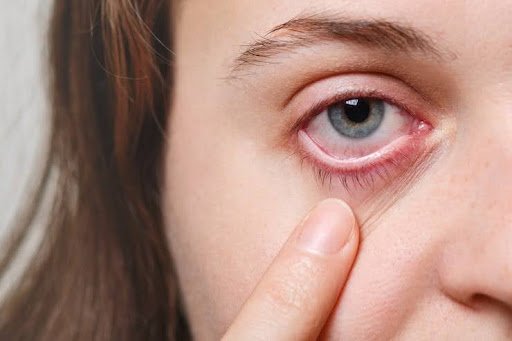
A stye often starts as a sore spot along the edge of the eyelid.
Common signs include:
- A red or discolored eyelid bump
- Pain or tenderness
- Eyelid swelling
- Watery eyes
- Crusting near the eyelashes
- A scratchy feeling in the eye
- Sensitivity to light
Some styes form on the outside of the eyelid. Others develop deeper inside the lid.
An internal stye may be harder to see. It can also cause more swelling and discomfort.
Stye or Chalazion? The Difference Matters
This part confuses people.
A stye and a chalazion can both cause an eyelid lump. They are not exactly the same.
A stye is usually painful and inflamed. It is often linked to an infected eyelid gland.
A chalazion is usually caused by a blocked oil gland. It tends to be firmer and often hurts less than a stye.
It is not always easy to tell them apart by looking in the mirror.
If the bump lasts, keeps growing, affects your sight, or keeps returning, get it checked rather than guessing.
When to Visit Urgent Care for a Stye
You may want a same-day medical evaluation if your symptoms are moving in the wrong direction.
Consider urgent care when:
- Pain or swelling increases after the first few days.
- Your eyelid is becoming very swollen.
- The eyelid feels hot.
- Pus or blood is coming from the bump.
- The stye is not improving with home care.
- You have repeated styes.
- You are unsure whether another eye problem is causing the swelling.
Cleveland Clinic also advises medical care if the eye swells shut, vision gets worse, blisters develop on the eyelid, or symptoms continue to worsen.
Do not wait simply because the problem started as a small bump.
Home Care, Urgent Care, or ER?
Not every eye problem belongs in the same place.
Home care may be enough
Home treatment may be reasonable if you have a small, typical stye with mild pain and no change in your vision.
Use a warm compress and watch the area closely.
Urgent care may be appropriate
Consider stye urgent care when the pain, redness, or swelling keeps getting worse, the problem is not improving, or you need a clinician to check whether something else is going on.
Urgent care can also help when getting a quick primary care appointment is difficult.
Get emergency care for serious eye symptoms
A simple stye should not normally cause a major loss of vision or severe illness.
Seek emergency medical care for symptoms such as a sudden or serious change in vision, severe eye pain, major eye injury, or rapidly worsening swelling with signs that infection may be spreading.
Fever or chills with worsening eyelid swelling also deserve prompt medical attention.
When eyesight is changing quickly, do not assume it is “just a stye.”
What Can Urgent Care Do for a Stye?
The first job is to find out what you actually have.
A clinician can examine your eyelid and surrounding eye area. A stye can often be identified by looking at the eyelid and reviewing your symptoms.
Your visit may include:
- Checking where the bump is located
- Looking for redness or spreading swelling
- Asking how long symptoms have been present
- Checking for discharge
- Asking about contact lenses or eye makeup
- Looking for signs of another eye condition
- Giving home-care instructions
- Deciding if medicine is needed
- Referring you to an eye doctor when needed
Antibiotics are not needed for every stye.
If an infection persists or begins to spread, a healthcare professional may consider antibiotic drops, ointment, or oral medicine depending on the situation.
A stye that does not clear may sometimes need drainage. That should be done by a qualified healthcare professional. Depending on the case and facility, an eye specialist may be needed. Do not try to drain it yourself.
What to Expect During a Stye Urgent Care Visit
A visit for a painful eyelid bump is usually focused.
The provider may first ask when the swelling started and whether it has changed. Tell them if you have had styes before.
Mention any:
- Vision changes
- Fever
- Eye injury
- Contact lens use
- Recent eye makeup use
- Drainage
- Fast-growing swelling
The provider will then examine the eyelid and eye area.
If the problem looks like a simple stye, you may leave with instructions for warm compresses, eyelid care, and follow-up.
If something does not fit the usual pattern, you may be told to see an ophthalmologist, which is a doctor who treats eye diseases.
That referral is not a bad outcome. Eye symptoms sometimes need equipment and testing that a general urgent care clinic does not have.
How to Treat a Stye at Home
For a mild stye, simple care often helps.
Use a warm compress
Place a clean, warm washcloth over your closed eye for about 5 to 10 minutes.
Mayo Clinic suggests repeating this two to three times a day. The warmth may help the blocked gland open and drain naturally.
The cloth should feel warm, not hot.
Keep the eyelid clean
Gently clean the eyelid. Wash your hands before touching the area.
Do not scrub hard.
Skip eye makeup
Eye makeup can irritate the area and may make the blocked gland worse.
Wait until the stye has healed before using makeup around that eye again.
Take a break from contact lenses
Use glasses if you can while the stye heals.
Contact lenses can pick up bacteria and may add irritation.
Do Not Pop or Squeeze a Stye
It looks tempting.
Don’t do it.
Trying to squeeze or pop a stye can push infection into nearby tissue. Mayo Clinic recommends leaving the stye alone and allowing it to drain on its own.
This is especially important because the bump sits so close to your eye.
Use warm compresses instead.
Why Do Styes Keep Coming Back?
One stye can happen to almost anyone. Repeated styes deserve more attention.
Factors linked with styes can include:
- Blepharitis, which means ongoing eyelid inflammation
- A history of past styes
- Some skin conditions
- Touching the eyes with unwashed hands
- Problems with contact lens hygiene
Cleveland Clinic lists eyelid inflammation and several skin or health conditions among factors that can raise the chance of developing styes.
If the same bump keeps coming back in the same place, or you get styes often, tell your healthcare provider.
You may need an eye specialist to look more closely.
Urgent Care for Stye in the Chicago Area
If you live in Chicago or the nearby suburbs and your eyelid symptoms need medical attention, a walk-in clinic may offer a practical option for non-emergency care.
NovaMed Urgent Care lists styes among the eye problems its providers evaluate. Its current website lists a walk-in clinic at 1717 W Algonquin Road in Mount Prospect, Illinois, serving patients from the Chicago area.
NovaMed also offers eye urgent care for concerns such as redness, swelling, infections, eye pain, and other sudden eye symptoms.
Because hours, insurance coverage, and services can change, check current details with the clinic before your visit.
And remember: a major change in vision or another serious eye emergency may need emergency or specialist care rather than a standard walk-in visit.
Frequently Asked Questions
Can I go to urgent care for a stye?
Yes. Urgent care can evaluate a stye, especially when it is painful, getting worse, not improving, or difficult to tell apart from another eyelid problem.
Can urgent care prescribe medicine for a stye?
A clinician may prescribe medicine if your exam shows that it is needed. Antibiotics are not routine treatment for every simple stye.
Can urgent care drain a stye?
Some persistent styes may need a drainage procedure, but this depends on the condition and the facility. An ophthalmologist may be recommended. Never squeeze or cut a stye at home.
How long should I wait before seeing a doctor?
Many styes begin improving with home care. If yours is painful or does not start getting better within about two days, contact a healthcare professional.
Is a stye contagious?
A stye itself is generally not considered contagious in the way pink eye can be, but bacteria from the area can spread through touch. Wash your hands and avoid sharing items that touch the eye area.
Can I wear contact lenses with a stye?
It is better to use glasses until the stye clears. Contact lenses may be contaminated with bacteria and can irritate the eye.
What if my whole eyelid is swollen?
Get medical care. Swelling that spreads across the eyelid, closes the eye, or continues into nearby areas needs evaluation rather than home treatment alone.
Should I see urgent care or an eye doctor?
Urgent care is a reasonable first stop for many worsening or persistent styes. An eye doctor may be better when you have vision changes, repeated styes, an unusual eyelid lump, or a problem that does not respond to initial care.
Know When It’s Time to Get the Eye Checked
Start with a warm compress if the bump looks like a mild stye and your vision is normal.
Then watch what happens.
If the pain or swelling gets worse, the eyelid becomes very swollen, or the stye does not start improving, get it checked. Chicago-area patients can contact NovaMed Urgent Care for current walk-in availability and eye urgent-care services.
If your vision changes or symptoms become severe, choose a higher level of care.
This article is for education. It is not personal medical advice. Talk with a licensed clinician in Chicago or your area about your own health.