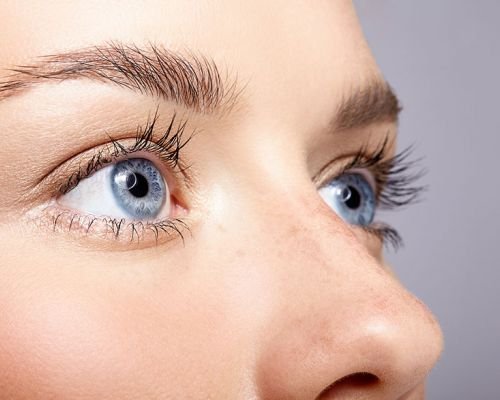
Eyelid proportions play an important role in the overall appearance of the upper face. The upper eyelids frame the eyes, influence facial balance and contribute to how open, refreshed and harmonious the eyes appear. When considering eyelid surgery, it is therefore important to look beyond the amount of excess skin and consider how the eyelids relate to the eyes, eyebrows and surrounding facial features.
Upper Blepharoplasty in London is a surgical procedure designed to address concerns involving the upper eyelids. Treatment planning can involve a detailed assessment of eyelid structure, skin, underlying tissues and the relationship between the upper eyelid and other facial features. Rather than applying one standard approach to every patient, a personalised assessment can help determine an appropriate surgical plan.
Understanding eyelid proportions can help patients approach a consultation with realistic expectations and a clearer idea of what may be considered before surgery.
What Are Eyelid Proportions?
Eyelid proportions describe the relationship between different parts of the eyelid and the surrounding eye area. This can include the visible upper eyelid space, the position of the eyelid crease, the shape of the eye opening and the relationship between the eyelid, eyebrow and forehead.
These proportions naturally vary from one person to another. Some individuals have a more visible upper eyelid area, while others have a lower or less defined crease. Differences can also exist between the two sides of the face.
During an assessment, these characteristics may be considered together rather than viewed in isolation. The aim is to understand the patient’s individual anatomy and determine which features may be contributing to their concerns.
Why Do Eyelid Proportions Matter in Upper Eyelid Surgery?
The upper eyelid is closely connected with the appearance of the eyes and upper face. Removing or repositioning tissue without considering the surrounding anatomy may not produce the balanced appearance a patient expects.
For this reason, Upper Eyelid Surgery In London can involve more than simply identifying excess skin. A surgeon may consider the amount of visible eyelid, eyebrow position, eyelid crease and the natural shape of the eye.
Proportion is particularly relevant when patients want a subtle and natural-looking change. The objective may be to create a more open and balanced appearance while maintaining the individual’s existing facial characteristics.
How Is the Upper Eyelid Evaluated Before Surgery?
An initial consultation provides an opportunity to assess the eyelids carefully. The evaluation may include the position of the upper eyelid skin, the natural crease, eyebrow height and the relationship between the eyelids and the eyes.
The surgeon may also observe the face at rest and during normal facial expressions. This can help provide a broader understanding of how the eyelids contribute to the patient’s overall appearance.
Previous procedures, existing asymmetry and individual preferences may also be discussed. Photographs or other assessment methods can sometimes support the consultation by allowing the relevant features to be reviewed carefully.
The purpose of this assessment is to establish a treatment plan that reflects the patient’s anatomy rather than relying on a predetermined shape or measurement.
What Role Does the Eyelid Crease Play?
The upper eyelid crease is an important feature when considering eyelid proportions. Its position and definition can differ considerably between individuals.
A crease that sits lower may leave less visible eyelid space, while a more defined crease can create a different relationship between the eyelid and eyebrow. These characteristics are part of a person’s natural anatomy and should be considered when planning surgery.
During Upper Blepharoplasty in London, the position of the existing crease may therefore be taken into account when determining the surgical approach. The goal is not necessarily to create a particular crease but to work with the patient’s natural anatomy and treatment objectives.
How Can Eyebrow Position Influence Eyelid Proportions?
The eyebrows and upper eyelids have a close visual relationship. A change in one area can affect how the other appears.
For example, a lower eyebrow position may make the upper eyelid appear more crowded, while a naturally higher brow may create greater visible eyelid space. This means that assessing the eyebrow position can provide useful information when planning upper eyelid surgery.
A consultation at a Blepharoplasty Clinic in London may therefore consider both the eyelids and eyebrows as part of the overall facial assessment. This helps establish whether the patient’s concerns are primarily related to the upper eyelid or whether surrounding structures also influence the appearance.
How Does Facial Symmetry Affect Treatment Planning?
Perfect facial symmetry is uncommon. Most people have small differences between the left and right sides of the face, and these can be noticeable around the eyes.
One upper eyelid may have a slightly different crease position, skin fold or eyebrow height compared with the other. These differences are important when planning surgery because identical treatment on both sides may not always produce the most balanced result.
During an assessment, the surgeon may compare both sides of the face and consider existing asymmetries before developing a treatment plan. Patients can also discuss whether they are particularly concerned about differences between their eyelids.
Recognising natural asymmetry before surgery can help establish realistic treatment goals.
Does Age Affect Eyelid Proportions?
Eyelid proportions can change over time as the skin and underlying facial tissues change. The visible relationship between the eyebrow, eyelid crease and eye opening may therefore look different at different stages of adulthood.
Some patients may notice that the upper eyelid has become more prominent over time, while others may primarily notice changes in the skin fold or the relationship between the eyelid and eyebrow.
Age alone does not determine whether someone is suitable for upper eyelid surgery. Instead, an individual assessment can help establish the patient’s anatomical features, concerns and desired outcome.
How Are Natural-Looking Results Considered?
For many patients, the intention of upper eyelid surgery is not to make the eyes look dramatically different. Instead, they may want the upper eyelid area to look more balanced or refreshed while retaining their natural facial identity.
Proportion is central to this approach. A suitable treatment plan considers how much change is appropriate for the patient’s facial structure.
This may involve assessing the amount of skin that contributes to the visible fold, the position of the eyelid crease and the relationship with the eyebrow. The overall facial appearance is considered rather than focusing on one isolated feature.
A personalised approach can help ensure that treatment goals are discussed clearly before surgery.
What Should Patients Discuss During a Consultation?
Patients considering Upper Eyelid Surgery In London can use their consultation to explain what they would like to change and what they would prefer to preserve.
Useful topics may include:
- The amount of upper eyelid skin that concerns them
- Differences between the two eyelids
- The appearance of the eyelid crease
- The relationship between the eyebrows and eyelids
- How the eyes appear when the face is relaxed
- Whether they prefer a subtle or more noticeable change
- Their expectations for the overall appearance of the upper face
Bringing specific concerns to the consultation can make it easier for the surgeon to understand the patient’s priorities and discuss whether those goals are compatible with their anatomy.
Why Is Individual Assessment Important?
There is no single set of eyelid proportions that applies to every person. Facial structure, eyelid anatomy, eyebrow position and personal preferences all differ.
For this reason, a treatment plan should be based on an individual’s features rather than attempting to reproduce a particular appearance seen elsewhere.
At a specialist Blepharoplasty Clinic in London, an assessment can provide an opportunity to examine the eyelid area in detail and discuss the available surgical approach. The consultation can also help patients understand what changes may be appropriate for their individual features.
Preparing for an Upper Blepharoplasty Consultation
Before an appointment, patients may find it helpful to think about what specifically concerns them about their upper eyelids. Some people may focus on excess skin, while others may be more concerned about eyelid symmetry, the visibility of the eyelid crease or the overall relationship between the eyes and eyebrows.
It can also be useful to consider the type of result they would like to achieve. Clear communication helps the surgeon understand whether the patient’s priorities are primarily functional, cosmetic or related to overall facial balance.
Patients should also be prepared to discuss their relevant medical history and previous procedures so that the consultation can be tailored to their circumstances.
Conclusion
Eyelid proportions are an important part of planning upper eyelid surgery because the eyelids do not exist independently from the eyes, eyebrows and surrounding facial structures. Factors such as eyelid crease position, visible eyelid space, eyebrow height and natural asymmetry can all contribute to the overall appearance.
Upper Blepharoplasty in London should therefore be approached through an individual assessment rather than a one-size-fits-all method. Understanding the patient’s anatomy and preferences can help establish appropriate treatment goals and a personalised surgical plan.
For patients considering Upper Eyelid Surgery In London, a detailed consultation is an important opportunity to discuss their concerns, understand how their eyelid proportions may influence treatment and explore an approach that respects their natural facial characteristics.
FAQs
What are eyelid proportions?
Eyelid proportions refer to the relationship between the upper eyelid, eyelid crease, eye opening, eyebrows and surrounding facial features. These proportions vary naturally between individuals.
Why are eyelid proportions considered before upper blepharoplasty?
Considering proportions helps the surgeon understand how the upper eyelid relates to the rest of the face. This can support a personalised treatment plan rather than focusing only on excess skin.
Can eyelid asymmetry affect surgery planning?
Yes. Natural differences between the two sides of the face can influence how the upper eyelids are assessed and how treatment is planned.
Does eyebrow position affect the appearance of the upper eyelids?
Yes. The position and shape of the eyebrows can influence the amount of visible upper eyelid space and the overall relationship between the eyelids and eyes.
Is every patient’s upper eyelid crease the same?
No. Eyelid crease position, definition and visibility vary considerably between individuals and are considered as part of the overall anatomical assessment.
What should I discuss during an upper blepharoplasty consultation?
Patients can discuss their specific concerns, desired changes, eyelid symmetry, eyebrow position, eyelid crease and their preferred level of change. This helps the surgeon understand their expectations and develop an individualised plan.