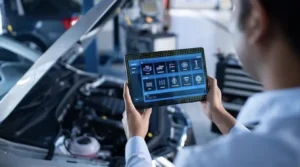
Car Electrical Diagnostics
Modern vehicles depend on electrical systems for much more than starting the engine. From headlights and power windows to sensors, ignition components, safety systems, infotainment, and engine controls, electrical components work together to keep a vehicle operating properly. When an electrical problem develops, identifying the exact cause can be challenging without the right diagnostic equipment and experience.
Professional Car Electrical Diagnostics can help identify electrical faults before they lead to larger performance or reliability concerns. A proper diagnostic inspection allows technicians to evaluate the battery, alternator, starter, wiring, fuses, sensors, and other electrical components to determine where a problem originates.
What Are Car Electrical Diagnostics?
Car electrical diagnostics involve testing and inspecting the vehicle’s electrical system to identify faults, damaged components, voltage problems, wiring issues, and electronic system failures. Technicians use diagnostic scanners, multimeters, test equipment, and visual inspections to understand how different components are performing.
A warning light, starting problem, flickering headlight, dead battery, or malfunctioning electrical accessory can have several possible causes. Instead of replacing parts without identifying the underlying problem, electrical diagnostic for cars services can help pinpoint the source of the issue.
Common Signs of an Electrical Problem
Electrical problems can appear in different ways depending on the affected component. Some common warning signs include difficulty starting the vehicle, dimming or flickering lights, repeated battery failure, malfunctioning power windows, dashboard warning lights, or accessories that stop working.
Other symptoms may include an engine that stalls unexpectedly, intermittent electrical faults, unusual clicking sounds when starting, or electronic systems that operate inconsistently.
If you notice these symptoms, professional car electrical diagnostic testing can help determine whether the issue involves the battery, charging system, starter, wiring, fuse, sensor, or another electrical component.
Battery and Charging System Testing
The battery provides the electrical power needed to start the vehicle and operate electrical systems when the engine is off. The alternator then helps recharge the battery and supply electrical power while the engine is running.
A weak battery may cause slow cranking or a vehicle that will not start. However, replacing the battery may not solve the problem if the alternator is not charging correctly or an electrical component is draining the battery.
During auto electrical diagnostics, technicians can test battery voltage, charging output, electrical connections, and other components to determine why a vehicle is experiencing repeated battery or charging problems.
Starter and Starting System Diagnostics
The starter motor is responsible for turning the engine over when you start the vehicle. Electrical problems involving the starter, battery, ignition switch, starter relay, or wiring can prevent the engine from cranking properly.
A clicking sound when turning the key or pressing the start button may indicate an issue with the starting system, although several different electrical or mechanical problems can produce similar symptoms.
Professional electrical diagnostics for cars can help determine whether the problem is related to insufficient battery power, starter operation, electrical connections, or another component.
Diagnosing Dashboard Warning Lights
Modern vehicles use electronic control modules and sensors to monitor engine performance, emissions, transmission operation, braking systems, and other functions. When a problem is detected, the vehicle may display a warning light on the dashboard.
A diagnostic scanner can retrieve stored trouble codes and provide useful information about the system involved. However, a trouble code does not always mean that the related component itself needs replacement. Additional testing may be required to identify the actual cause.
Professional Car Electrical Diagnostics combines scan results with electrical testing and inspection to support a more accurate diagnosis.
Wiring, Fuses, and Electrical Connections
Damaged wiring, loose connections, corroded terminals, and blown fuses can interrupt electrical power to important vehicle systems. Wiring problems can sometimes be difficult to locate because the affected wires may run through different areas of the vehicle.
A fuse may also blow because of an electrical overload or short circuit. Simply replacing the fuse without finding the reason it failed may allow the problem to return.
Technicians providing electrical diagnostic for cars can inspect circuits, test voltage and continuity, and identify damaged connections or wiring faults.
Problems With Lights and Accessories
Headlights, brake lights, turn signals, interior lights, power mirrors, power seats, windows, locks, and other accessories all rely on electrical circuits. A failure in one accessory may be relatively simple, while multiple failures can indicate a larger electrical issue.
If several accessories stop working at the same time, professional testing can help determine whether the problem involves a fuse, wiring connection, control module, or power supply.
For drivers searching for car electrical diagnostic near me, choosing a repair facility with appropriate diagnostic equipment can make the troubleshooting process more efficient.
Computerized Vehicle Diagnostics
Today’s vehicles contain multiple electronic control modules that communicate with sensors and other systems. Engine control modules, transmission controls, body control modules, and safety systems can all generate diagnostic information.
Computerized testing allows technicians to retrieve fault codes and examine system data. Additional electrical testing can then help confirm whether a component, circuit, sensor, or connection is responsible.
This combination of scanning and hands-on inspection is an important part of professional auto electrical diagnostics.
Why Accurate Electrical Diagnosis Matters
Electrical problems can sometimes be intermittent, making them difficult to identify. A vehicle may operate normally during one inspection and experience a fault later. Accurate testing helps technicians understand the symptoms and determine where electrical performance is outside normal operating conditions.
Professional electrical diagnostic for cars services can also help reduce unnecessary part replacement. Instead of guessing which component may be responsible, technicians can use test results to guide the repair process.
Schedule Professional Car Electrical Diagnostics
A reliable electrical system is essential for modern vehicle operation. Problems involving the battery, alternator, starter, wiring, sensors, lights, or electronic modules can affect convenience, performance, and reliability.
If your vehicle is experiencing starting difficulties, warning lights, battery drain, flickering lights, or malfunctioning electrical accessories, consider professional Car Electrical Diagnostics. For drivers looking for car electrical diagnostics near me, a qualified automotive repair shop can inspect the vehicle and identify the source of the electrical problem.
Regular inspections and timely repairs can help maintain dependable vehicle performance and prevent minor electrical issues from developing into more complicated problems.