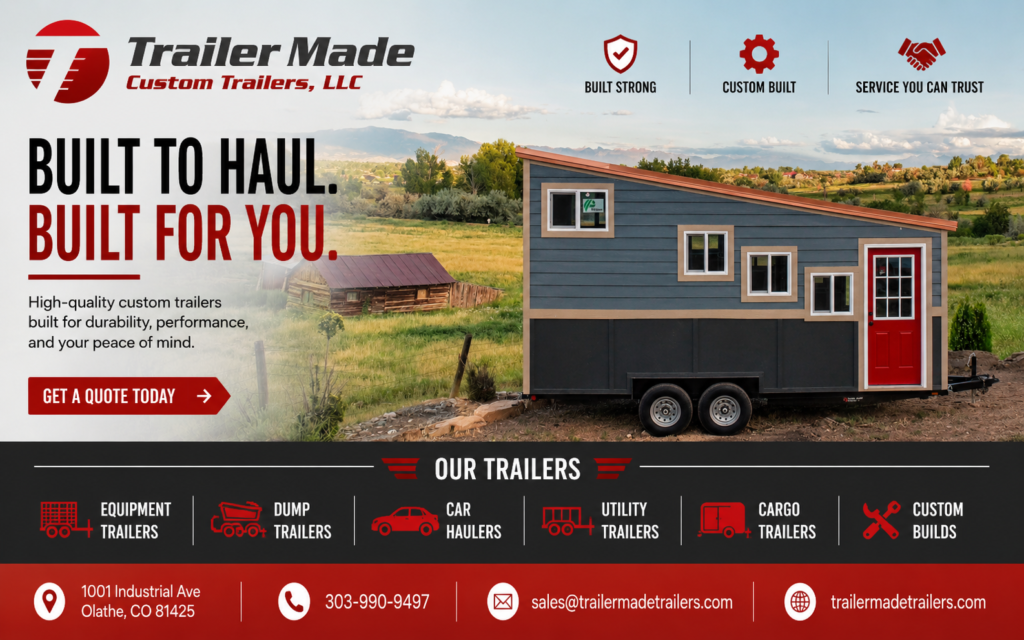
If you’ve been searching for tiny house builders, you’ve probably noticed something. Everyone claims they “build tiny homes,” but only a handful actually know what they’re doing. Real builders understand space in a way big‑house contractors don’t. They know how to make 300 square feet feel like 600. They know airflow, insulation, moisture control, and all the weird quirks that come with tiny house code. And the good ones? They show up prepared, with the right tools, the right crew, and the right custom built equipment trailers to haul oversized materials without turning your project into a disaster.
What Sets Professional Tiny House Builders Apart
Let’s be blunt. Some builders slap together boxes on wheels and call it a day. Others actually build homes—real homes—that can survive winter, wind, and whatever else your location throws at them. Skilled tiny house experts understand structure, weight distribution, and how to make a tiny home trailer feel solid instead of shaky. They’ve worked with ADU builder crews, inspectors who love to nitpick, and clients who change their minds halfway through. And they still deliver something worth living in. That’s the difference between a hobbyist and a professional.
How Custom Built Equipment Trailers Fit Into Tiny Home Construction
This part surprises people. But custom built equipment trailers matter more than you think. Tiny homes aren’t built from small parts. You’re hauling steel frames, roof trusses, wall panels, and sometimes entire sections of the home. Builders who rely on custom trailers can move everything safely, in fewer trips, without damaging materials. It’s one of those quiet advantages that separates the pros from the “yeah, I can build that” guys. When your builder shows up with the right gear, the whole project moves faster, cleaner, and with fewer headaches.
Is Tiny House Code Going to Slow You Down
Short answer: maybe. Long answer: depends where you’re building. Tiny house code can feel intimidating, especially if you’ve never dealt with zoning or permits. But seasoned tiny house builders already know the drill. They’ve dealt with inspectors, weird county rules, and all the “you can’t put that there” conversations. They’ll help you figure out whether your tiny home trailer needs to meet RV standards, residential code, or some hybrid that only your state seems to invent. It’s not fun, but it’s doable. And skipping this part? That’s how people end up with beautiful homes they can’t legally park anywhere.
Should You Buy a Finished Tiny Home or Build One
Buying is fast. Building is custom. Neither is automatically better. If you want something turnkey, grab a finished tiny home trailer and roll with it. If you’re picky (nothing wrong with that), hire tiny house builders and craft your own layout. Just don’t underestimate the time involved. Custom builds take longer. Weather delays, material delays, builder delays… life delays. But the payoff is huge if you’re particular about design. You get exactly what you want, down to the weird little shelf you swear you need for your coffee grinder.
What to Look for When Choosing Tiny House Builders
Not all builders are created equal. Some talk big but deliver small. Others deliver big but talk small. You want the second kind. Ask how they handle tiny house code. Ask how many builds they’ve completed. Ask whether they use custom built equipment trailers for hauling materials. If they dodge questions, walk away. You’re not buying a shed. You’re buying a home. A real one. Even if it’s small. And you deserve someone who treats it like that.
How Much Does a Tiny Home Really Cost
Tiny homes aren’t “cheap.” They’re cheaper, sure, but not bargain‑bin. A well‑built tiny home can still run you a decent chunk of change. Same with custom builds. But here’s the upside: lower utilities, lower maintenance, lower stress. And if you rent it out? It can pay for itself. Some folks make more from their tiny home rental than their main mortgage. That’s wild, but it’s happening. Small spaces can generate big returns if you plan right and don’t cut corners.
Conclusion: Tiny Homes Aren’t Just Trendy — They’re Smart
If you’re seriously looking into tiny house builders or wondering how custom built equipment trailers fit into the process, you’re already ahead of the curve. You’re thinking about flexibility, affordability, and a lifestyle that isn’t chained to square footage. Tiny homes aren’t perfect—nothing is—but they’re practical, efficient, and surprisingly freeing. Go small. Build smart. Live better. It’s not just a catchy line. It’s the truth.