Why Everyone Is Obsessed With the Crispy Chicken Sandwich
A truly delicious crispy chicken sandwich is one of those foods that everyone seems to love and crave. Entire marketing campaigns have been built on it at fast food restaurants and chefs battle each other to come up with the best crispy chicken sandwich and fast food faithfuls spend years perfecting their version of the crispy chicken sandwich at home. For all of its simplicity there is something ever so satisfying about biting into a crispy chicken sandwich. It offers a generous amount of texture as well as taste and it is comforting and though that is difficult to match.
The Chicken You Choose Makes a Huge Difference
Many people tend to focus so much on the breading first, but the big thing is that the chicken itself is the key more than it is realized. Chicken breast tends to not help a crispy chicken sandwich too well, since boneless chicken thighs tend to provide a much more natural moisture to the chicken. Breasts can be used, but need to be cooked carefully. Thighs are used more often in restaurant kitchens because they stay juicy in higher frying temperatures. In essence, inside moisture is just as critical as the outside crunch.
Why Brining Creates Better Results
One trick many restaurants use that sounds a bit fancy is to brine. Essentially all that is is soaking the chicken in some kind of seasoned liquid before cooking. This really can be quite simple just a mixture of salt, water, and whatever seasonings you want, and it can make all the difference. It gives the chicken that much more moisture to draw upon during frying so that it stays moist when you eat it. People often ask why their crispy chicken sandwiches at home are so dry, and not brining is usually the first thing we point the finger at.
The Secret Behind Restaurant-Style Breading
This is the stage where the magic begins. Many home-cooks make the mistake of coating their sandwich with a shining, even layer of breading. Paradoxically, this usually results in less crunch. Restaurant sandwiches should have a coarse, irregular layer of breading with plenty of little rises and ‘mountains’. The textured breading is the key to crunchy success. A sediment of seasoned flour, followed by a wet dredge results in the crust you need.
Seasoning Matters More Than Most People Think
Bland breading destroys otherwise good chicken. The coating has to deliver flavor through every mouthful. Salt alone is not enough. Black pepper, garlic powder, onion powder, paprika and even a little cayenne can make excellent additions. Certain restaurant chains protect recipes for perfect crispy chicken sandwich coatings as closely as they do their secret sauce recipes. Exact specifications differ, but the concept remains constant every layer has to pack a punch. Accompanying crispy chicken succulent sales, can make the sandwich go down a treat before the condiment has even arrived.
Oil Temperature Can Make or Break Everything
One major reason that carelessly fried chicken never reaches greatness is because of improper oil temperature. If the oil is too low, the chicken coatings become greasy and weepy. If the oil is too hot, the outside of the chicken scalds and burns before the meat inside is heated, ready to eat. Chefs normally fry chicken in a range from 350 to 375 degrees. This range ensures that the bellies are of a golden hue and richness, while the insides are still juicy and sticky. Perfect texture depends on perfect heat.
Why Resting the Chicken Improves Crunch
Restaurants often take fried chicken out and go right for the sandwich. I understand. You‘re starving. Nonetheless, it is recommended to give the chicken a couple of minutes to rest. Dropping all the excess steam ensures a crispier crust and it lasts a little longer. Even you have to realize that. Not all fried chicken goes directly from the fryer into a bun. Rest a moment and enjoy that restaurant-quality crunch.
The Bun Plays a Bigger Role Than Expected
Of course a crispy chicken sandwich relies on the support of the bun. Soft brioche rolls have been a favorite recently because the buns still have a slight sweetness to them but can hold the weight of the fried chicken. A bun that falls apart or that is too weak becomes mush when it gets wet with sauces. In contrast, a hard dense bun takes away from the chicken. It‘s all about balance.
Toppings Should Support the Chicken
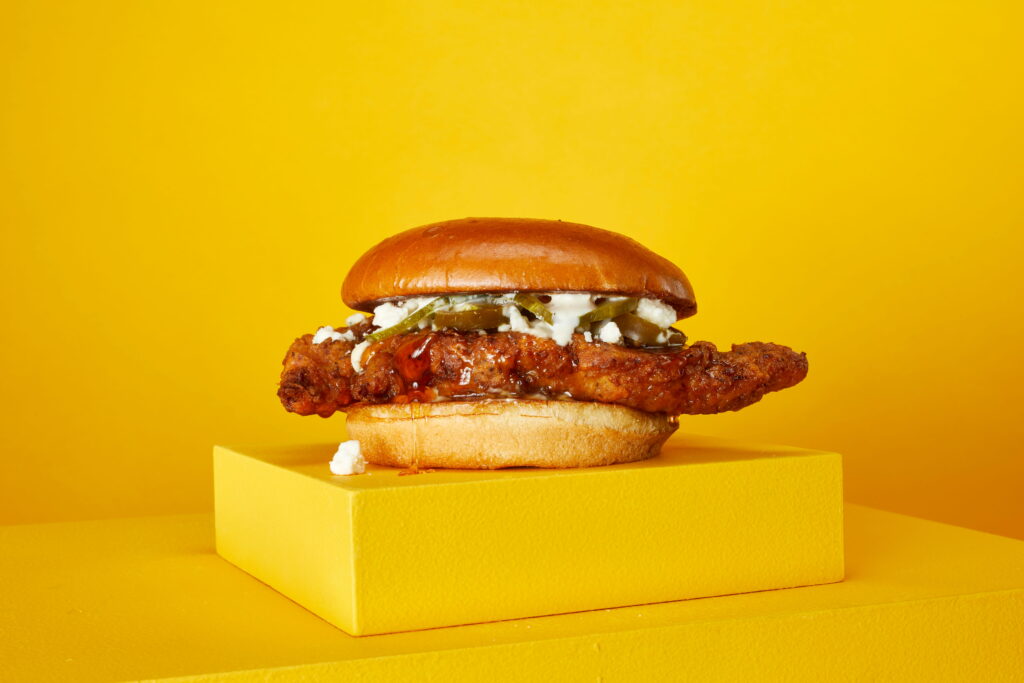
This is where things can go wrong. Making the wrap heavier and more toppings piled on it isn‘t sure to make the sandwich any better. A popular addition for example is gherkins where the acidity cuts through the protein of the fried chicken. A crisp and refreshing crisp lettuce can be added too. A basic sauce is sometimes preferable to three complicated ones. Similar to a juicy burger, the perfect sandwich is all about equilibrium. The chicken is the main event, and everything else is just to support it, not cloak it.
What Juicy Burgers and Crispy Chicken Sandwiches Have in Common
What is surprising is that juicy burger and crispy chicken sandwiches have a lot in common. Moisture retention is one, appropriate cooking temperature another, and leeway one more. Overdo any one the results are lost in an instance. Great establishments always think of three things consistency, consistency and consistency. They stick to simple natural ingredients rather than relying on tricks and gimmicks. When it comes to both chicken and beef; huge successes come from knowing the fundamentals better than attempting to use a complicated piece of advice read online five minutes ago.
Conclusion
There isn‘t a ‘trick’ to the perfect crispy chicken sandwich, it‘s all about meticulousness. Great balance of textures all come down to proper technique and selection. Buying the right chicken and a good brine, building a balanced, textured breading, following proper oil temps and resting the chicken after fry will change the way you think about home fried chicken. If you get the fundamentals right you‘ll be churning out restaurant quality crunch in no time.