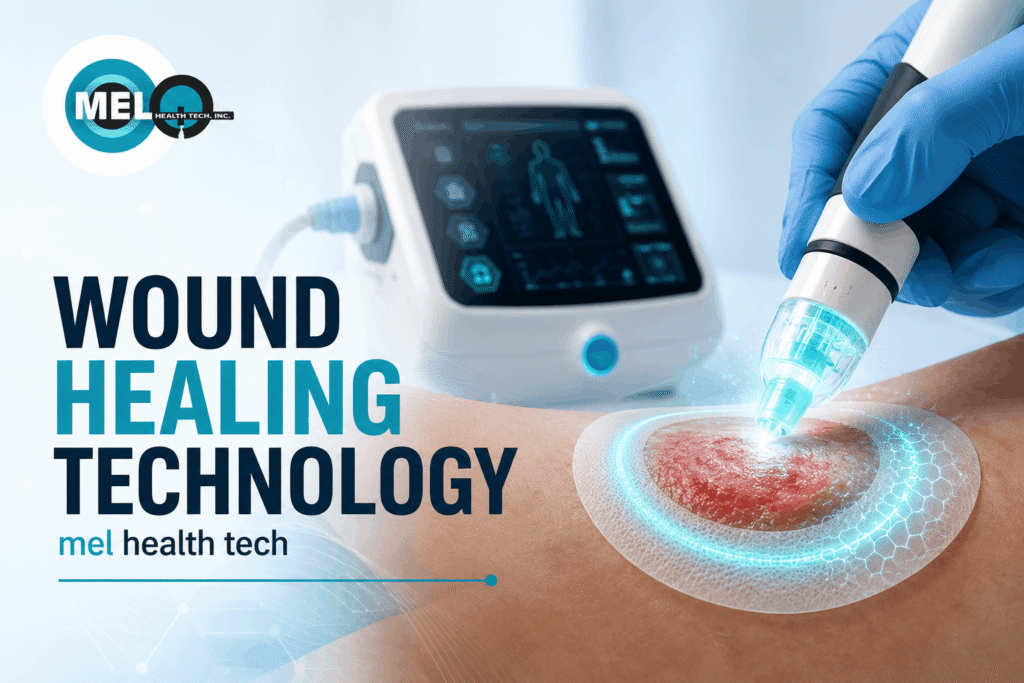
Wound care has changed dramatically over the past two decades. What used to mean simple gauze and antiseptic has evolved into a field driven by biology, engineering, and data. For patients dealing with chronic wounds, diabetic ulcers, surgical incisions, or slow-healing injuries, understanding modern Wound healing technology can make the difference between frustration and real progress toward recovery.
Why Wound Healing Technology Matters
Chronic wounds affect millions of people, and for patients with diabetes, poor circulation, or compromised immune systems, healing can take weeks or months longer than expected. Left unmanaged, these wounds increase the risk of infection, hospitalization, and in severe cases, amputation. Newer technologies aim to close that gap by speeding healing, reducing complications, and giving both patients and providers better visibility into how a wound is progressing.
Key Advances Patients Should Know About
Smart bandages and wound monitoring. Some of the newest dressings now include sensors that track moisture levels, temperature, pH, and even early signs of infection at the wound site. This data can alert patients and care teams before a problem becomes serious, rather than waiting for a scheduled checkup.
Negative pressure wound therapy (NPWT). This technology uses a controlled vacuum to draw fluid away from the wound, reduce swelling, and encourage blood flow to the area. It has become a standard option for complex or slow-healing wounds, particularly after surgery or trauma.
Bioengineered skin substitutes. For wounds that struggle to close on their own, lab-grown or biologically derived skin substitutes can be applied to provide a scaffold for new tissue growth. These products are especially useful for diabetic foot ulcers and burns.
Growth factor and cellular therapies. Certain treatments now deliver concentrated growth factors directly to a wound to stimulate the body’s own repair process at a cellular level, speeding up healing in wounds that have stalled.
Telehealth and remote wound monitoring. Patients no longer always need an in-person visit to have a wound assessed. Photos and sensor data can now be reviewed remotely, allowing providers to catch changes early and adjust treatment without unnecessary delays.
AI-assisted wound assessment. Artificial intelligence tools can now analyze wound images to estimate size, depth, and healing progress more consistently than manual measurement, helping standardize care across different providers.
What This Means for Patients
These advances aren’t just for hospitals and specialists. Many of these tools are becoming part of everyday outpatient care, meaning patients may notice:
- Fewer in-person visits needed for routine wound checks
- Earlier detection of infection or complications
- More personalized treatment plans based on real-time wound data
- Faster healing times for wounds that previously took months to close
At Mel Health Tech, we focus on helping patients and providers understand these innovations in Wound healing technology so that care decisions can be made with clear, accurate information.
What to Ask Your Care Provider
If you’re managing a chronic or slow-healing wound, it’s worth asking your provider:
- Is my wound a candidate for advanced therapies like NPWT or bioengineered skin substitutes?
- Are there monitoring tools available that could track my healing progress between visits?
- What underlying factors, such as blood sugar or circulation, might be slowing my healing?
- Is remote monitoring an option for my situation?
FAQ
Q: Is wound healing technology only for severe or chronic wounds?
A: No. While much of the innovation is focused on chronic and complex wounds, some tools, such as smart bandages and remote monitoring, are increasingly used for post-surgical and general wound care as well.
Q: Are these technologies covered by insurance?
A: Coverage varies widely depending on the specific technology, the diagnosis, and the insurance provider. Patients should check with their provider and insurer before starting treatment.
Q: How do smart bandages actually detect infection?
A: Many smart bandages use embedded sensors that monitor changes in moisture, temperature, or pH at the wound site, since these shifts can indicate bacterial activity before visible symptoms appear.
Q: Can these technologies replace regular visits to a wound care specialist?
A: Not entirely. They are designed to support and enhance care, allowing for earlier intervention and more informed visits, but ongoing professional oversight is still important for complex wounds.
Q: Who benefits most from advanced wound healing technology?
A: Patients with diabetes, poor circulation, chronic ulcers, or slow-healing surgical wounds tend to benefit most, since these groups face the highest risk of complications from delayed healing.
Conclusion
Wound healing technology has moved far beyond basic bandages, giving patients access to smarter monitoring, faster-healing treatments, and more personalized care than ever before. For anyone managing a chronic or complicated wound, staying informed about these tools, and discussing them with a healthcare provider, can lead to better outcomes and a smoother path to recovery.