professional natural hairstyles
Natural hair offers remarkable versatility, making it possible to create polished looks for almost every professional environment. From short coils and defined curls to long twists, braids, and locs, there are countless ways to style textured hair while maintaining a sophisticated appearance. Choosing professional natural hairstyles should involve more than appearance alone. Hair texture, length, density, maintenance preferences, workplace expectations, and overall hair condition can all influence which style works best for you. With the right approach, natural hair can look polished, confident, and professional without losing its individuality.
Choosing a Professional Hairstyle for Your Hair Texture
Understanding your natural texture is an important first step when selecting a workplace hairstyle. Curl patterns can range from loose curls to tightly coiled textures, while individual strands may differ in thickness and density. These characteristics affect how easily hair holds definition, responds to moisture, and maintains different styles throughout the day. A hairstyle that works well for one texture may require a different technique for another. Working with your natural characteristics instead of against them can make styling easier and help reduce unnecessary manipulation.
Hair condition should also influence your styling choices. If your hair is dry, brittle, or prone to breakage, low-manipulation styles may be more practical than frequent heat styling or tightly secured looks. Regular conditioning, gentle detangling, and appropriate moisture management can support easier styling. When trying a new hairstyle, pay attention to how your hair and scalp respond rather than focusing only on the finished appearance. A professional stylist can also help you identify techniques that complement your specific texture and current hair condition.
Professional Natural Hairstyles for Short Hair
Short natural hair can be surprisingly versatile and easy to maintain in a professional environment. A neatly shaped tapered cut can highlight natural curls while creating a clean and structured silhouette. Defined finger coils or short wash-and-go styles can provide texture while keeping the overall appearance intentional. For an especially simple routine, a well-maintained short afro can look polished when regularly shaped and properly moisturized. These styles can reduce daily preparation while still allowing your natural texture to remain the focus.
Short hair also provides an opportunity to experiment with subtle changes in shape and definition. Depending on your workplace, you might choose a softly rounded silhouette, a tapered style, or a carefully shaped curly cut. A lightweight styling product can help define curls without creating excessive buildup. Regular trims can help preserve the intended shape and prevent the style from becoming difficult to manage. Because short hairstyles are often visible throughout the day, consistent maintenance can make a significant difference in keeping the overall appearance polished.
Medium-Length Styles for Versatility
Medium-length natural hair provides numerous styling possibilities because it offers enough length for both loose and secured hairstyles. Twist-outs and braid-outs can create defined texture while maintaining a soft, professional appearance. A low puff or low bun can provide a more structured option for meetings, presentations, or formal workplace occasions. Half-up styles can also create balance between wearing natural hair loose and keeping some of it secured. The right choice depends on how much time you want to spend styling and how your hair responds to different techniques.
Natural hairstyles for work should ideally remain comfortable and manageable throughout the day. If your schedule involves commuting, meetings, or frequent movement, consider whether your chosen style will hold its shape without constant adjustment. A neatly defined twist-out may require only a light refresh, while a low bun may offer greater convenience on particularly busy mornings. Nighttime protection can also help preserve medium-length styles for another day. Building a simple maintenance routine around your schedule can make professional styling much easier.
Professional Styles for Long Natural Hair
Long natural hair offers plenty of opportunities for sophisticated workplace styling. Low buns, braided updos, tucked styles, and carefully arranged ponytails can create an elegant appearance while keeping the hair organized. Long twists can also be gathered into a low style when you want a polished look with minimal daily manipulation. For workplaces with more relaxed dress codes, long defined curls can provide a professional appearance when properly maintained. Choosing the right style often comes down to balancing your desired look with comfort and maintenance.
When securing long hair, avoid creating excessive tension, particularly around the hairline and sensitive areas. Repeatedly pulling hair tightly into the same style can contribute to breakage and discomfort over time. Switching between different low-tension styles can give specific areas of your hair a break. Soft accessories and gentle handling can also help minimize unnecessary stress. If a hairstyle causes persistent pain or discomfort, it is worth adjusting the technique rather than treating discomfort as a normal part of professional styling.
Hairstyles for Coily and Tightly Textured Hair
Coily and tightly textured hair can be styled in many polished ways without changing its natural pattern. Defined coils, stretched styles, flat twists, braided updos, and carefully shaped natural styles can all work well in professional environments. The key is to prepare the hair properly and select techniques that match its needs. Because tightly coiled hair can be more vulnerable to breakage when handled roughly, gentle detangling and appropriate conditioning are particularly important. Allowing sufficient preparation time can make styling more comfortable and manageable.
Protective styling can also provide useful options for coily textures when installed and maintained appropriately. Medium-sized twists, comfortable braids, or low-manipulation updos can reduce the need for daily styling. However, protective does not automatically mean risk-free, so tension and wearing time should always be considered. Your stylist can help determine whether a particular style is appropriate for your hair’s current condition. Rotating styles and caring for the natural hair underneath can help create a more sustainable professional hair routine.
Natural Hairstyles for Curly Textures
Curly textures can create professional looks with relatively simple styling techniques. A defined wash-and-go can showcase natural curls while maintaining a neat and intentional appearance. Depending on the curl pattern, a small amount of styling cream or gel may help provide definition and reduce unwanted frizz. A side part, low puff, or half-up style can add structure without hiding the natural texture. These options can be particularly useful for professionals who prefer to keep their morning routine straightforward.
Curly hair may respond to environmental conditions such as humidity, dryness, and temperature changes, so workplace routines should account for these factors. Using suitable products and avoiding excessive manipulation can help preserve curl definition during the day. A nighttime routine can also reduce the amount of work required the following morning. If your curls lose definition, refreshing only the areas that need attention can be more practical than restyling your entire head. This approach saves time and limits unnecessary handling.
Professional Braids, Twists, and Loc Styles
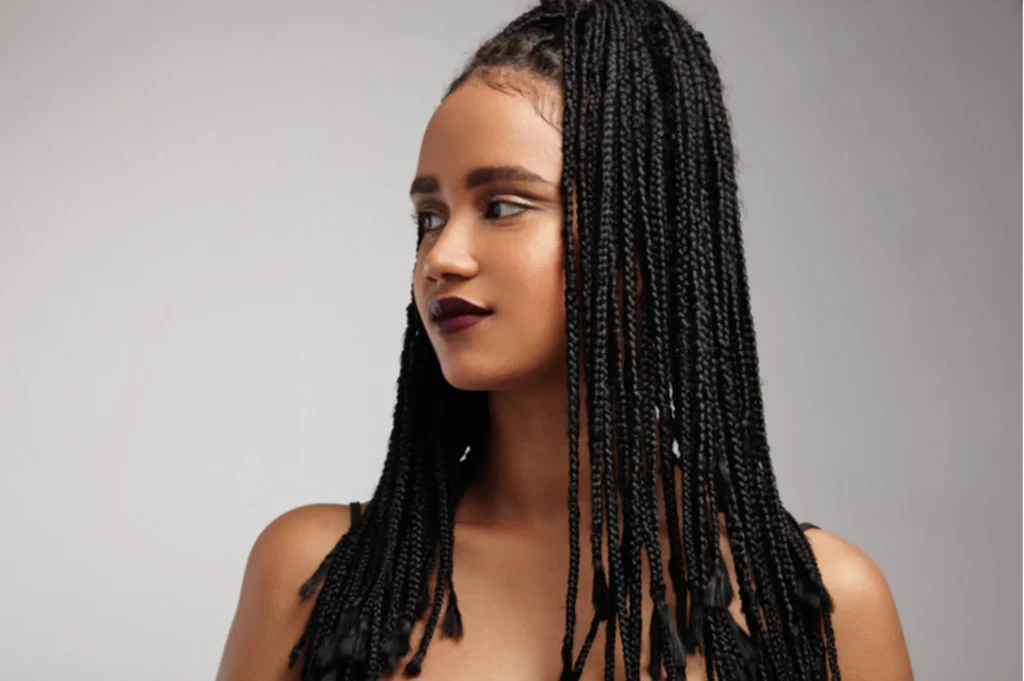
Braids and twists can offer practical options for professionals who want hairstyles that require less daily styling. Neat cornrows, knotless braids, simple twists, and understated braided updos can be adapted to suit different workplace environments. The length, size, color, and design can be adjusted according to personal preferences and professional expectations. Choosing a style that does not require excessive tension is important for maintaining comfort. Regular care of the scalp and natural hair underneath can also support a healthier protective-styling routine.
Locs can be equally versatile in professional settings. Depending on their length, they can be worn loose, gathered into a low ponytail, arranged into a bun, or incorporated into an elegant updo. Regular maintenance can help keep locs neat while preserving their natural character. Accessories can add subtle detail when appropriate for the workplace. As with any hairstyle, the most suitable option depends on personal preference, hair condition, daily responsibilities, and the amount of maintenance you are willing to perform.
Matching Hairstyles With Your Professional Lifestyle
A hairstyle should fit your lifestyle rather than becoming another source of stress during a busy workweek. Consider how much time you have available each morning, how frequently you exercise, whether you commute, and how often you want to visit a salon. A style that looks attractive but requires extensive daily maintenance may not be practical for someone with a demanding schedule. On the other hand, someone who enjoys styling their hair may prefer a more detailed natural look. Choosing according to your actual routine can make professional hair care more sustainable.
Your hairstyle can also complement your overall professional presentation. Simple natural styles can pair easily with tailored clothing, dresses, business-casual outfits, and more creative workplace wardrobes. The goal is not to make your hair look identical to everyone else’s but to create a well-maintained appearance that reflects your personal identity. Accessories, parting patterns, hair shapes, and subtle variations can provide individuality while maintaining a polished finish. When your hairstyle feels comfortable and authentic, it can become a natural part of your professional routine.
Maintaining Healthy Professional Natural Hair
Maintaining the health of your hair is essential regardless of which professional style you choose. Regular cleansing, conditioning, gentle detangling, and appropriate moisture management can help support natural hair between appointments. Excessive heat and repeated tight styling should be approached carefully because frequent stress can contribute to breakage. Protective nighttime practices can also help preserve your hairstyle while reducing friction and unnecessary manipulation. A consistent routine is generally more useful than constantly changing products or techniques.
If you experience persistent scalp discomfort, significant thinning, unusual shedding, or ongoing hair loss, consider consulting a qualified healthcare professional or dermatologist. A stylist can provide valuable advice about styling and maintenance but cannot diagnose medical conditions affecting the scalp or hair. Keeping communication open with your stylist can help you adjust your routine when your hair’s needs change. With appropriate care, professional natural hairstyles can remain both attractive and practical. The healthiest style is one that works with your hair rather than placing unnecessary stress on it.
Finding Your Ideal Professional Natural Style
There is no single hairstyle that works perfectly for every texture, length, workplace, or lifestyle. The most suitable professional natural hairstyles are those that complement your hair characteristics while fitting comfortably into your daily routine. Short cuts, defined curls, twists, braids, locs, buns, and updos can all create polished results when properly maintained. Consider your hair condition, styling preferences, workplace environment, and available maintenance time before choosing a new look. This approach makes it easier to build a professional style that feels both practical and personal.
Natural hair can be an important part of your professional identity without requiring you to compromise comfort or individuality. By understanding your texture, selecting appropriate techniques, and maintaining healthy styling habits, you can enjoy a wide range of workplace-ready looks. Experiment gradually and pay attention to how your hair responds to different methods. With consistent care and thoughtful styling choices, your natural texture can remain healthy while providing the versatility needed for modern professional life.