The Benefits of Learning to Drive with a Qualified Instructor
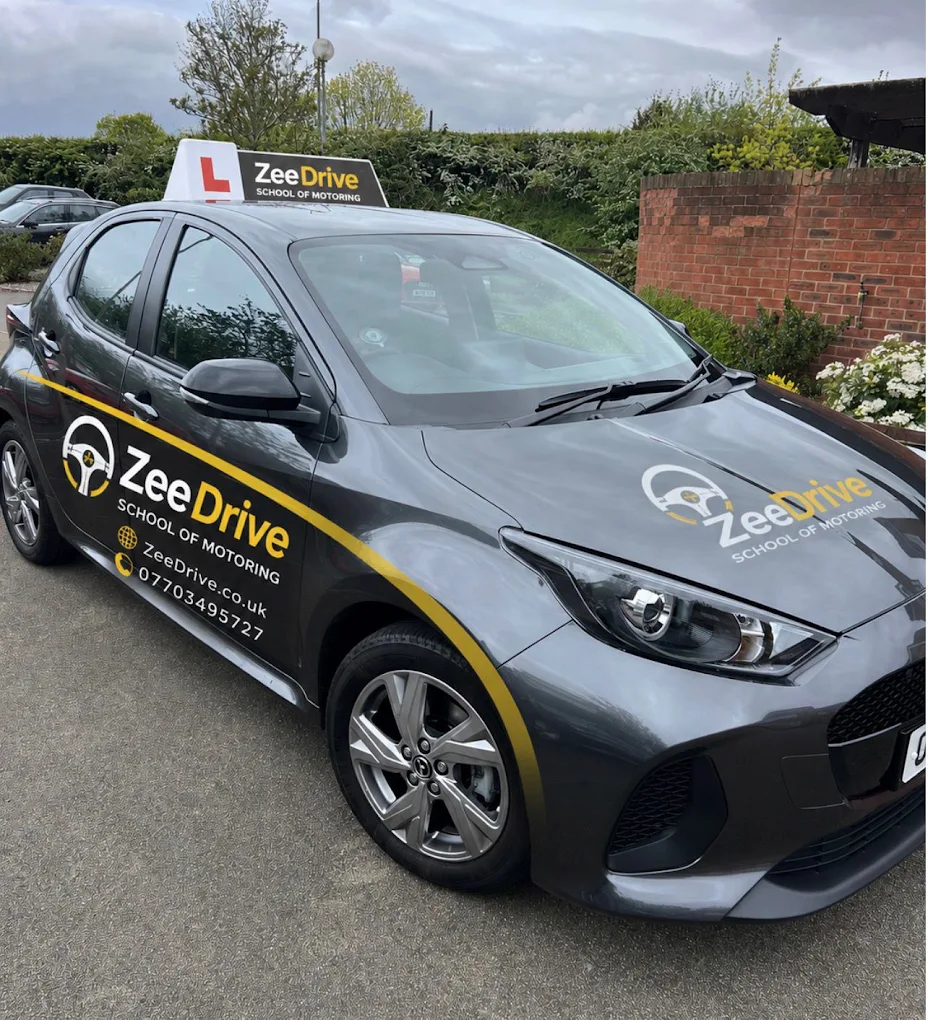
Driving School in Oxford
Learning to drive is an important milestone that brings greater freedom, independence, and confidence. However, becoming a safe and capable driver involves much more than simply learning how to operate a vehicle. A qualified instructor can help learners develop the right habits, understand road rules, and respond appropriately to different driving situations. Professional guidance also reduces the risk of developing unsafe habits that can be difficult to change later.
For learners searching for a reliable Driving School in Oxford, choosing qualified instruction can make the learning process more structured and effective. Rather than relying entirely on friends or family members, learners can benefit from lessons designed around their individual abilities and areas for improvement. Here are some of the main benefits of learning to drive with a qualified instructor.
Structured and Professional Learning
One of the biggest advantages of working with a qualified instructor is having a clear learning structure. Professional instructors generally follow a logical progression, helping learners develop basic skills before moving on to more complicated driving situations.
Beginners can start with fundamental controls, including steering, braking, acceleration, and gear changes where appropriate. Once these skills become more comfortable, lessons can move toward junctions, roundabouts, lane changes, parking, traffic management, and more challenging roads.
This structured approach prevents learners from trying to tackle advanced situations before they have developed the necessary skills. It also makes progress easier to measure.
Better Understanding of Road Rules
Knowing road signs and traffic laws is essential, but simply reading about them is not enough. Learners need to understand how those rules apply in real-world situations.
A qualified instructor can explain why certain rules exist and show learners how to apply them while driving. For example, a learner may know the meaning of a particular road sign but still be unsure about how to respond when traffic conditions change.
Instructors can explain these situations while providing practical examples. This helps learners connect theoretical knowledge with actual driving decisions.
Development of Safe Driving Habits
Driving habits often develop quickly during the learning process. Unfortunately, poor habits can become automatic if they are not corrected early.
A qualified instructor can observe a learner closely and identify problems such as poor mirror use, late signaling, improper positioning, excessive speed, or weak observation. Correcting these issues during lessons helps prevent them from becoming permanent habits.
Safe driving is not just about passing a test. It is about developing behaviors that remain useful long after the learner receives a licence.
Increased Confidence Behind the Wheel
Many new drivers feel nervous when they first sit behind the wheel. They may worry about making mistakes, dealing with traffic, or responding to unexpected situations.
A professional instructor understands that confidence develops gradually. Instead of overwhelming a learner, they can introduce more difficult situations as the driver’s abilities improve.
Repeated practice in a controlled learning environment can make unfamiliar situations feel more manageable. Over time, learners are likely to become more comfortable making decisions independently.
However, confidence should never be confused with overconfidence. A good instructor teaches learners to remain calm and cautious rather than encouraging unnecessary risks.
Learning How to Handle Difficult Situations
Not every driving situation can be predicted. Drivers may encounter heavy traffic, narrow roads, poor visibility, difficult junctions, cyclists, pedestrians, parked vehicles, or sudden changes in traffic flow.
Professional instructors can expose learners to a variety of conditions so they understand how to respond safely. This practical experience is valuable because real-world driving rarely follows a perfectly simple pattern.
An instructor may also teach learners how to remain composed when something unexpected happens. Staying calm and making sensible decisions is a critical part of becoming a competent driver.
Individual Attention and Feedback
Everyone learns differently. Some people pick up vehicle controls quickly but struggle with observation. Others may understand road signs well but lack confidence when driving in traffic.
Qualified instructors can adapt their teaching style to suit the learner. Instead of following exactly the same approach for everyone, they can focus additional time on specific weaknesses.
Regular feedback also helps learners understand what they are doing correctly and what needs improvement. Clear feedback gives learners a practical direction for their next lesson rather than leaving them guessing about their progress.
Better Preparation for the Driving Test
Passing the practical driving test requires more than basic vehicle control. Learners must demonstrate observation, awareness, planning, appropriate speed, safe positioning, and the ability to respond properly to road conditions.
A qualified instructor understands the skills learners are expected to demonstrate and can prepare them accordingly. They can simulate test conditions, identify recurring mistakes, and help learners become comfortable with the format of the examination.
This preparation can reduce unnecessary test-day anxiety. More importantly, it ensures learners are developing genuine driving skills rather than simply memorizing a sequence of actions.
Access to Professional Knowledge and Experience
Qualified instructors spend significant time teaching different types of learners. This gives them experience with common mistakes, learning difficulties, and challenging road situations.
That experience can be extremely useful. An instructor may recognize a problem after observing it for only a short time because they have seen similar mistakes repeatedly.
Professional instructors can also share practical advice that learners may not get from casual driving practice. They can explain how to judge gaps in traffic, position correctly on unfamiliar roads, and anticipate what other road users might do.
Less Pressure Than Learning Informally
Learning from a family member or friend can sometimes be useful, but it can also create unnecessary pressure. People teaching someone they know may become frustrated, overly cautious, or inconsistent in their instructions.
Different family members might also give conflicting advice, leaving the learner confused about the correct approach.
A qualified instructor provides a more objective learning environment. Their focus is on teaching rather than personal relationships. This can make it easier for learners to ask questions, make mistakes, and receive constructive feedback.
Familiarity with Local Driving Conditions
Learning in the areas where you are likely to drive regularly has practical advantages. Local roads may have specific traffic patterns, busy junctions, difficult parking areas, roundabouts, or other challenges that learners need to understand.
An experienced local instructor can introduce learners to different road environments and help them become comfortable with them. This can be especially useful for learners who are preparing for a test in their local area.
The goal should not be to memorize particular routes. Instead, learners should develop the skills to handle different road conditions confidently wherever they drive.
Learning to Drive Efficiently
Professional lessons can also make the learning process more efficient. Without a structured plan, learners may spend a lot of time repeating skills they already understand while neglecting areas where they need improvement.
An instructor can identify the most important priorities and adjust lessons accordingly. This means practice time is used more effectively.
Efficiency does not mean rushing through the learning process. A learner should progress when they are ready, not simply because a certain number of lessons has been completed. Quality practice is far more valuable than rushing toward a test date.
Building Independence
The ultimate purpose of driving lessons is to prepare learners to drive without an instructor beside them. A good instructor gradually encourages learners to make their own decisions.
Early lessons may involve significant guidance, but as the learner improves, the instructor can reduce assistance. The learner starts making decisions about speed, lane position, route planning, and responses to other road users.
This gradual transition helps prepare new drivers for the responsibility of driving independently.
Learning More Than How to Pass
A common mistake is to treat driving lessons as nothing more than test preparation. Passing the test is important, but it is only the beginning of a driver’s journey.
A strong instructor focuses on skills that remain valuable after the test, including hazard awareness, defensive driving, patience, observation, and responsible decision-making.
A driver who passes the test but lacks these qualities may still be unprepared for everyday driving. The real measure of successful training is whether the learner becomes a safe and responsible road user.
Choosing the Right Instructor
Not every instructor will suit every learner. When choosing a professional, consider their qualifications, teaching approach, experience, reputation, and ability to communicate clearly.
It is also worth paying attention to how comfortable the learner feels during lessons. Good instruction should be challenging when necessary, but it should also create an environment where the learner can ask questions and learn from mistakes.
The cheapest option is not automatically the best option. Driving lessons are an investment in a skill that can affect safety for many years, so quality should be considered alongside price.
Final Thoughts
Learning to drive with a qualified instructor provides advantages that informal practice often cannot match. Professional lessons offer structure, personalized feedback, safer habits, stronger road awareness, and better preparation for independent driving.
The objective should not simply be to pass the driving test as quickly as possible. A successful learner should leave their lessons with the judgment, confidence, and practical skills needed to deal with real traffic safely.
Choosing the right instructor gives learners a stronger foundation from the very beginning. With consistent practice and professional guidance, learning to drive can become a more organized, productive, and confidence-building experience.