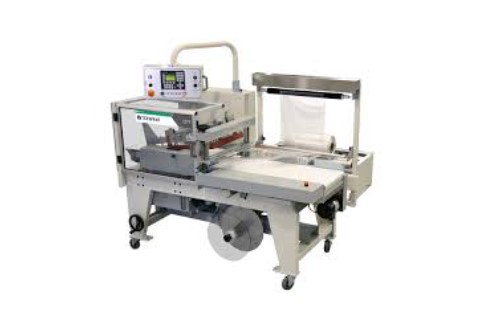
In high-volume packaging environments, equipment reliability is not a preference — it is a production requirement. When a shrink-wrapping system goes down unexpectedly, the ripple effect across an entire production line can be costly, disruptive, and difficult to recover from quickly. Sourcing the right replacement parts from trusted manufacturers is what separates facilities that maintain consistent output from those that suffer repeated unplanned downtime. Texwrap has built a longstanding reputation in the packaging industry for engineering robust, high-performance shrink wrapping systems. Understanding the key components that make these machines work — and knowing where to source quality replacements — is essential knowledge for any maintenance or operations team.
The Engineering Philosophy Behind Texwrap Packaging Systems
Every packaging brand develops its machinery around a core engineering philosophy, and Texwrap is no exception. The company’s shrink wrapping systems are designed with production reliability, film versatility, and ease of operation as foundational priorities. Their machines are built to handle a wide range of film types — including polyolefin and PVC — across diverse product sizes and throughput demands. This engineering approach means that individual components within these systems are precision-specified to interact correctly with one another. Seal bars, conveyor belts, heating elements, and control boards are not interchangeable with generic alternatives without risking performance degradation. Understanding this precision-engineering context is the first step toward making informed parts sourcing decisions for your facility.
Critical Components That Drive Performance and Uptime
Packaging system reliability depends on the condition of several core components that experience regular wear through continuous operation. Seal wires and seal bars are among the highest-wear elements in any shrink wrapping machine — they experience thermal cycling thousands of times per shift and must maintain consistent temperature and pressure to deliver clean, reliable seals. PTFE-coated components, including conveyor belts and seal bar covers, protect against film adhesion and heat transfer irregularities that compromise output quality. In Texwrap systems specifically, the film delivery and tensioning mechanisms are engineered to precise tolerances that maintain consistent film feed rates across extended production runs. Worn or mismatched components in these areas produce the inconsistent seals, film tears, and throughput slowdowns that cost facilities significant time and money.
Why Genuine Parts Matter More Than Price Alone?
The temptation to source cheaper aftermarket components is understandable, particularly in cost-conscious production environments. However, the true cost of using non-genuine parts reveals itself over time through accelerated wear, compatibility issues, and the compounding cost of additional downtime. Genuine replacement components are manufactured to the exact specifications of the original equipment, ensuring dimensional accuracy, material compatibility, and thermal performance that aftermarket alternatives rarely match consistently. The modest premium paid for genuine parts is consistently outweighed by the reduction in unplanned downtime and the extension of overall equipment lifespan.
Building a Proactive Parts Inventory for Continuous Production
One of the most effective strategies for maintaining packaging line uptime is establishing a well-stocked inventory of high-wear consumable components before they are urgently needed. Waiting until a seal wire fails or a conveyor belt tears during a production run forces reactive purchasing decisions — often at premium prices with expedited shipping costs — while the line sits idle. Maintenance teams working with Texwrap equipment should develop replacement schedules for seal bars, PTFE tape, drive belts, heating elements, and film tracking components based on actual usage data rather than calendar-based assumptions alone.
Conclusion
Keeping a packaging system running at its engineered performance level requires more than reactive maintenance — it demands a disciplined, informed approach to parts management and preventive care. The quality of replacement machine components directly determines how consistently and reliably your production line performs across every shift and every season. Whether you are managing a single shrink wrapping line or a multi-machine facility, partnering with a knowledgeable supplier who understands the technical requirements of your specific equipment ensures you always have access to the right parts at the right time, keeping your operation moving without interruption.