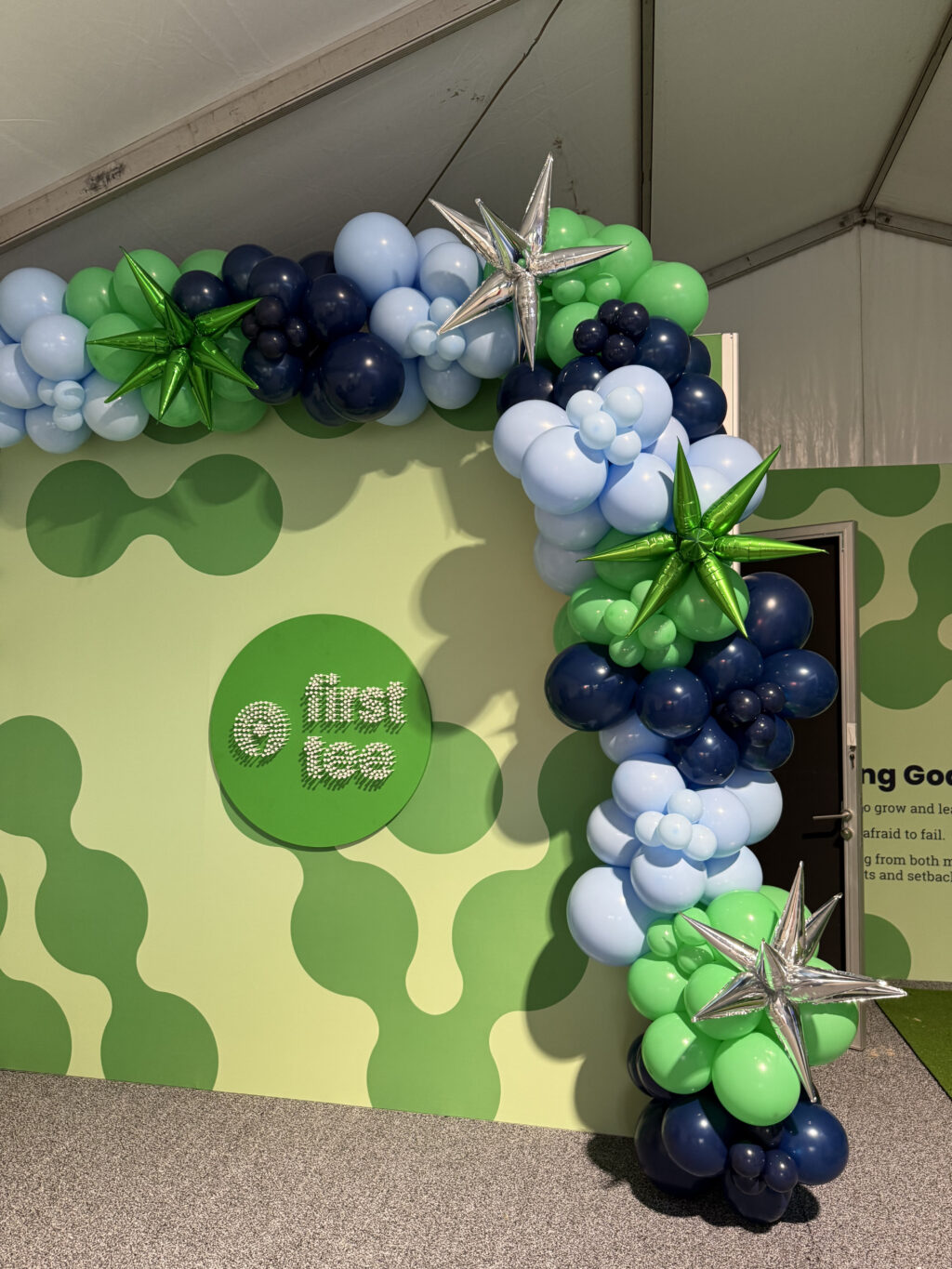
Planning an event sounds fun at first. Then it turns into ten tabs open, random screenshots, and too many opinions flying around. Happens every time. People start picking things they personally like instead of stepping back and asking, “does this even fit together?” That’s where it slips. I’ve seen setups where the food was great, music was fine, crowd was into it… and the decor still felt off somehow. Like it belonged to a different event. Even popular stuff like Balloon Arches in Pittsburgh can either pull a room together or stick out awkwardly, depends how you use it. There’s no magic item. It’s about fit.
Start With the Mood, Not the Decorations
Most people jump straight into colors or centerpieces. Wrong starting point. You need the mood first. What’s this thing supposed to feel like? Chill and laid-back? Loud and chaotic? Clean, sharp, a little formal? Figure that out before anything else. Because once that’s clear, decisions get easier. If the vibe is soft and personal, you don’t want harsh lighting and bright reds everywhere. Doesn’t line up. Same way a high-energy party dies quickly if everything looks muted and dull. You’re not just decorating a space, you’re setting a tone. People feel it right when they walk in, even if they can’t explain it.
Pick Colors and Stick to Them (Mostly)
Color is where things usually go sideways. Either people overdo it or they don’t think about it at all. Keep it simple. Two main colors, maybe a third to break it up. That’s enough. You don’t need a rainbow unless there’s a real reason for it. And don’t just pick colors because you like them—pick ones that actually work together. Warm shades feel different than cool ones. Bright colors bring energy, sure, but too much and it starts looking messy, cheap even. And yeah, this affects everything. Linens, flowers, signage, balloons, lighting… all of it. If the colors don’t connect, the whole setup feels off. Not terrible maybe, but not right either.
Give One Thing the Spotlight
Here’s a common mistake. Everything is trying to be the “main feature.” Doesn’t work. You need one thing that stands out and everything else supports it. Could be a backdrop, a stage setup, a bold entry piece, whatever fits your event. If you’re using something like a balloon display, let it do its job—don’t crowd it with five other loud elements. When everything is loud, nothing is. It just blends into noise. Pick your moment and build around it. Way cleaner.
Pay Attention to the Space (Seriously)
This sounds obvious, but it gets ignored a lot. The venue matters more than people think. Ceiling height, wall color, lighting, layout—it all affects how decor looks in real life. Something that looks amazing in a big open hall might feel cramped in a smaller room. Or just… wrong. Scale matters. Big pieces in a tight space feel suffocating. Tiny decor in a big room disappears completely. If you can, walk the space before finalizing anything. Even a quick look helps. Try to picture people moving around in there, not just empty photos.
Mix in Some Texture or It Falls Flat
People focus so much on color they forget texture exists. But texture is what gives depth. Without it, everything looks kind of flat, like a printed catalog page. Mix materials a bit. Soft fabrics, something metallic, maybe wood if it fits the style. Even small differences—like matte vs glossy finishes—can change the feel more than you’d expect. Balloons, for example, don’t all look the same. That mix adds life. You don’t need a lot, just enough so the space doesn’t feel one-note.
Keep It Consistent, But Don’t Make It Boring
Consistency matters, yeah. But that doesn’t mean everything has to match perfectly. That’s how you end up with something that feels stiff. You want things to feel connected, not identical. Maybe the same color shows up in different ways. Maybe shapes change but materials stay similar. Little variation keeps it interesting. If everything looks copy-pasted, it gets dull fast. But if nothing connects, then it just feels messy. There’s a middle zone there. That’s where it works.
Lighting… Don’t Leave It As an Afterthought
Lighting is one of those things people ignore until it’s too late. And it can ruin everything. Too bright, and it kills the mood instantly. Too dim, and nobody even notices what you set up. Warm lighting usually feels more welcoming. Cooler lighting works better for modern or corporate stuff. Depends on your vibe again. And don’t just rely on whatever the venue has. Sometimes you need to bring your own lighting in. Doesn’t have to be fancy. Just intentional. When it’s right, nobody says anything. When it’s wrong, everyone feels it.
Make Sure It Matches Why You’re Even Hosting This
This part gets skipped more than you’d think. What’s the point of the event? Birthday, wedding, corporate thing, launch party—they all need different energy. The decor should support that, not confuse it. A corporate event that looks like a kid’s party? Feels off. A celebration that looks too formal? Same problem. Everything you choose should make sense for why people are there. If it doesn’t, it’s probably not needed.
Use the Venue Instead of Fighting It
By the time you’re finalizing details, your Event Space in Pittsburgh should already be guiding some of your choices. Use what’s there. Good lighting, interesting walls, architectural details—don’t cover everything unless you have a reason. You’re not building from scratch. The best setups usually feel like they belong in the space, not forced into it. You can tell when something is trying too hard. It shows.
Conclusion
At the end of it, choosing decor isn’t about copying what worked somewhere else. Different event, different crowd, different space—it all changes things. Keep it simple where you can. Start with the mood, stay somewhat consistent, don’t overcrowd the space, and actually pay attention to where you’re setting this up. That alone puts you ahead of most people doing this for the first time. You’re not aiming for perfect. You’re aiming for something that feels right. When it clicks, people notice. They might not say why, but they’ll feel it. And honestly, that’s enough.