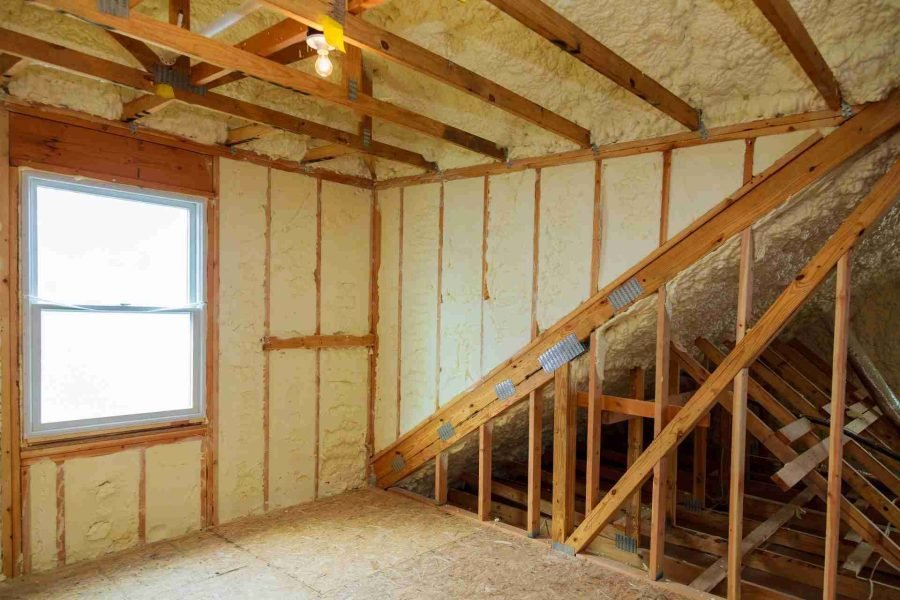
Spray foam insulation is a practical way to improve comfort, energy efficiency, and air sealing in homes and buildings. For homeowners looking for spray foam insulation in Franklin, KY, understanding how it works and where it can be used is important before starting a project. Spray foam expands after application and fills small gaps, cracks, and hard-to-reach spaces that traditional insulation may leave open. It can help reduce unwanted air movement and slow the transfer of heat through walls, ceilings, attics, crawl spaces, and other parts of a building. In Kentucky, where homes experience both hot summers and cold winters, a well-insulated building can make indoor temperatures easier to maintain throughout the year. Foam Pro provides professional insulation solutions designed around the needs of local homes and buildings.
Why Is Spray Foam Insulation Important in Franklin, KY?
Franklin homes can experience changing temperatures throughout the year, which means heating and cooling systems may work hard to keep indoor spaces comfortable. Poor insulation and air leaks can make this problem worse. Spray foam insulation helps by creating a more continuous insulating layer while also sealing many areas where outside air can enter.
According to insulation guidance from Kentucky, spray foam comes in two main forms: open-cell and closed-cell. Each type has different characteristics and is suitable for different applications.
How Does Spray Foam Insulation Work in a Home?
Spray foam is created when two liquid components are combined during application. The material expands and bonds to surfaces, filling gaps and forming an insulating layer. This makes it useful in places where air can move through small openings around framing, wiring, plumbing, and other penetrations.
Unlike insulation that simply sits between framing members, spray foam can also help reduce unwanted air movement. This combination of insulation and air sealing is one of the main reasons it is used in modern construction and remodeling projects.
What Are the Main Types of Spray Foam Insulation?
There are two common types of spray foam insulation: open-cell and closed-cell. Open-cell foam is softer and expands more, making it useful for larger cavities such as some attic and wall applications. Closed-cell foam is denser and provides a higher R-value per inch, making it useful where space is limited or additional moisture resistance is needed.
Kentucky’s energy efficiency guidelines note that open-cell foam generally requires a thicker layer to reach the same R-value, while closed-cell foam can achieve similar thermal resistance with less thickness.
What Makes Open-Cell Foam Useful?
For homeowners comparing options, a spray foam insulation contractor in Franklin KY can help determine which material fits the building and the area being insulated. Open-cell foam expands significantly and can fill wall and ceiling cavities. It is also useful where sound absorption is an important consideration. Because it has a lower R-value per inch than closed-cell foam, it normally needs a thicker application to provide comparable thermal resistance.
Where Can Spray Foam Insulation Be Installed?
Spray foam insulation can be used in several areas of a home or commercial building. Common locations include attics, exterior walls, interior wall cavities, crawl spaces, basements, rim joists, and certain roof assemblies.
Attics are especially important because they can experience significant temperature changes. Sealing gaps around penetrations and creating a more consistent insulation layer can help reduce unwanted heat transfer. Crawl spaces can also benefit when air movement and moisture concerns are properly addressed.
Can Spray Foam Insulation Help Reduce Energy Loss?
Yes, reducing uncontrolled air movement can help a building use energy more efficiently. Heating and cooling account for a large portion of household energy use, so reducing heat transfer and air leakage can potentially reduce the workload placed on HVAC equipment.
The U.S. Department of Energy and Energy Star have highlighted air sealing and insulation as important parts of improving home energy performance. Spray foam can perform both functions in one material.
However, actual energy savings depend on the building’s size, existing insulation, air leakage, HVAC equipment, weather, and quality of installation. It is better to view insulation as one part of an overall energy-efficiency plan rather than expecting one product to solve every energy problem.
How Can Spray Foam Insulation Improve Indoor Comfort?
Uneven temperatures are common in buildings with weak insulation or air leaks. One room may feel comfortable while another remains too hot or too cold. Spray foam insulation can help create a more consistent thermal barrier around the building.
By reducing unwanted air movement through gaps and cracks, it may also help reduce drafts. This can make rooms feel more comfortable during both summer and winter.
Can Spray Foam Insulation Help With Moisture Control?
Moisture control is another reason the correct insulation material and installation method matter. Closed-cell spray foam has a dense structure and can resist water penetration better than open-cell foam. Kentucky guidance explains that closed-cell foam can provide moisture-related benefits because of its structure.
However, insulation should not be considered a replacement for proper drainage, roof repairs, plumbing repairs, or moisture management. If a building has an active water leak, that issue should be corrected before insulation is installed.
Is Spray Foam Insulation Good for Attics and Crawl Spaces?
Attics and crawl spaces are two areas where insulation can make a noticeable difference. These spaces often contain gaps, penetrations, and difficult-to-reach areas where air can move freely.
In an attic, properly applied foam can help create a more controlled building envelope. In a crawl space, it can help reduce air movement through foundation walls and other openings when the application is designed correctly.
The right approach depends on the structure, ventilation, moisture conditions, and existing insulation. A professional assessment can help determine the best application.
What Should Homeowners Consider Before Installation?
Before choosing spray foam insulation, homeowners should look at more than just the price. The condition of the building, location of existing insulation, moisture problems, ventilation, desired R-value, and type of foam all matter.
It is also important to use products according to manufacturer requirements and applicable building codes. Some applications may require a thermal or ignition barrier depending on where the foam is installed. Proper preparation and installation are important for both performance and safety.
Homeowners should also ask about the type of foam being used, expected thickness, preparation requirements, and ventilation precautions during installation.
Why Choose Professional Spray Foam Insulation in Franklin, KY?
Professional installation can help ensure that the foam is applied at the correct thickness and in the appropriate areas. Poor application can lead to uneven coverage, missed gaps, improper expansion, or other performance problems.
A knowledgeable installer can inspect the area first and consider the building’s design before recommending an approach. This is particularly important for older homes, crawl spaces, attics, and remodeling projects where existing conditions may be different from new construction.
Professional work can also help homeowners understand the differences between open-cell and closed-cell foam and choose an option based on the actual needs of the property.
How Long Can Spray Foam Insulation Last?
When correctly installed and protected from conditions that could damage it, spray foam insulation can provide long-term performance. Unlike loose insulation that can shift or settle, properly bonded foam stays attached to the surfaces where it was applied.
Its useful life can still depend on moisture exposure, physical damage, building movement, installation quality, and other conditions. Regularly checking the attic, crawl space, and other insulated areas can help identify problems early.
What Makes Spray Foam Insulation a Smart Investment?
Good insulation is not only about adding material to a wall or ceiling. It is about creating a better-performing building envelope. Spray foam can combine thermal insulation with air sealing, helping address two common sources of energy loss at the same time.
For Franklin homeowners, the goal should be a home that stays comfortable while reducing unnecessary heat transfer and drafts. The best results come from selecting the right foam, applying it correctly, and addressing other building problems such as leaks or poor ventilation.
Conclusion: Is Spray Foam Insulation Right for Your Franklin Home?
Spray foam insulation in Franklin, KY can be a useful option for homeowners who want better insulation, improved air sealing, and greater indoor comfort. Open-cell and closed-cell foam each have different strengths, so the right choice depends on the area being insulated and the goals of the project.
From attics and walls to crawl spaces and other hard-to-reach areas, proper installation can help create a more complete thermal and air barrier. If you are considering an insulation upgrade, having the property evaluated first can help you make an informed decision based on its current condition and specific needs.
FAQs About Spray Foam Insulation in Franklin, KY
Is spray foam insulation worth it for a Franklin home?
It can be worthwhile when a home has air leaks, insufficient insulation, uncomfortable rooms, or high heating and cooling demands. The value depends on the property.
What is the difference between open-cell and closed-cell foam?
Open-cell foam is softer and expands more, while closed-cell foam is denser and provides a higher R-value per inch. The best choice depends on the application.
Can spray foam insulation be used in crawl spaces?
Yes. It can be used in crawl spaces when the installation is properly designed around moisture, ventilation, foundation conditions, and local building requirements.
Does spray foam insulation stop air leaks?
Spray foam can seal many cracks, gaps, and penetrations while providing insulation. Proper preparation and complete coverage are important for good results.
Can spray foam insulation help lower energy bills?
It may help reduce heating and cooling demand by limiting heat transfer and unwanted air movement. Actual savings vary based on the building and existing conditions.