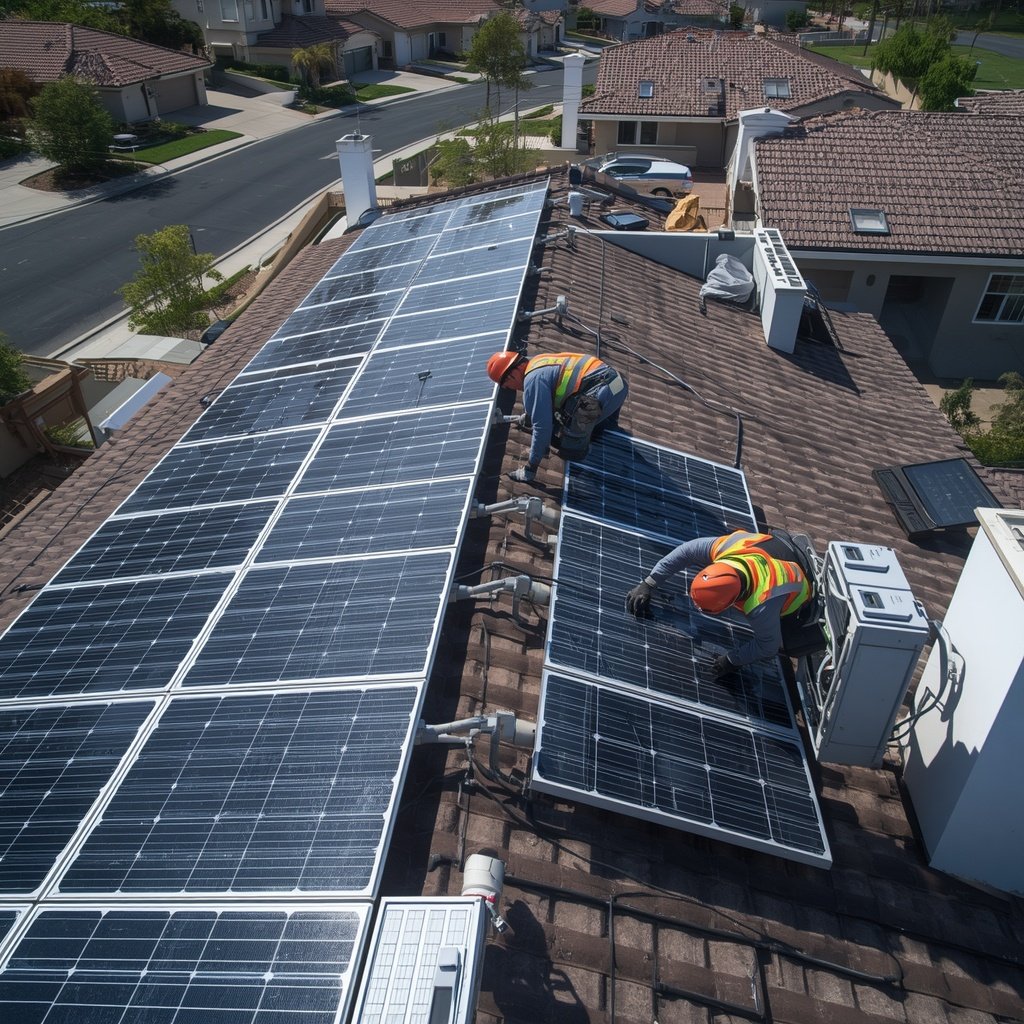
Every installer in the United States has faced the same situation. The system is complete, the roof is clean, and the customer asks when the lights come on. Meanwhile, the utility is still reviewing a file. Therefore, understanding solar PTO can protect your revenue and your reputation.
Many installers focus on sales and installation first. However, the final utility approval decides when the money arrives. Moreover, a small paperwork error can hold a finished system for weeks. At PTO Edge, we help installers submit clean files that utilities approve with fewer questions.
This guide explains how solar PTO works across the USA. In addition, it shows which documents matter, which errors cause delays, and which habits speed approval. Finally, it offers a simple routine you can use on every job.
Tired of waiting on utilities? Get your free approval audit and see where your files can move faster.
The Meaning Behind Final Utility Approval
Permission to operate is the utility’s official green light. It confirms that the system meets interconnection rules and may feed the grid. Therefore, no owner should switch on a system before this notice arrives.
Utilities use this step to protect line workers and neighbors. They also protect equipment and grid stability. As a result, every solar PTO request receives a careful check against technical standards.
Many owners assume the final inspection ends the process. However, the inspection only proves that the local building authority accepted the work. The utility still needs its own review. Our guide on what utilities require for approval explains how those two approvals differ.
Who Approves What in the Process
Several parties touch every solar job. The customer signs the contract. The designer prepares the drawings. The permit office approves the plan. The inspector verifies the install. Finally, the utility grants operating permission.
Each party answers a different question. The permit office asks whether the design meets local code. The inspector asks whether the build matches the design. The utility asks whether the system can connect safely.
Confusion between these roles causes expensive mistakes. For example, some teams send the same package to both the city and the utility. However, utilities often want extra forms and equipment details. Strong solar PTO planning separates these requirements early. Our team offers a utility switch-on authorization process built around that separation.
Utility Differences Across American Regions
The USA has no single utility standard. Large investor-owned companies run structured portals. Municipal utilities serve one city and set their own rules. Cooperatives serve rural members and sometimes work by email.
Regional policy adds another layer. California follows its own net metering framework. Texas varies by retail provider. Florida, Arizona, and New York each publish different technical requirements. Consequently, a package that works in one territory may fail in another.
Experienced teams track these differences carefully. They record each utility’s forms, portals, and review habits. Moreover, they update notes after every approval. This knowledge makes solar PTO results more predictable. For help with multi-state work, review our multi-site solar approval coordination support.
Application Types and Review Levels
Utilities group applications by size and risk. Small residential systems often use a simple path. Larger systems enter a more detailed path. Furthermore, projects with batteries may trigger additional questions.
The simple path checks basic items. The reviewer confirms system size, inverter model, and meter location. In contrast, the detailed path studies fault current and feeder capacity. Some utilities schedule a formal study before they approve a large system.
Know the review level before you design. Otherwise, a surprise study can add months. Moreover, early talks with the utility reveal hidden limits. Smart solar PTO planning starts with that conversation. Our grid interconnection approval service helps teams select the right application track from the start.
Documents That Support a Clean File
A complete package saves time. Gather these items before you apply:
- Utility interconnection application
- Customer signature and authorization
- Final approved drawings
- Inspection sign-off or permit closeout
- Module and inverter specification sheets
- Single-line electrical diagram
- Insurance certificate when required
Each document answers a different concern. The inspection record proves the work passed local review. Meanwhile, the single-line diagram shows how the system ties into the service.
Organization matters as much as completeness. Therefore, keep one folder per project and name files clearly. Moreover, store the latest version only in the main folder. Tidy records make solar PTO submissions faster. Our energization approval paperwork review catches missing items before upload.
Digital copies help too. Scan every signed form on the same day. Moreover, back up the folder in cloud storage. Staff can then find any file in seconds. Consequently, utility questions receive fast answers. Clear naming rules, such as project number and document type, prevent confusion.
How Drawings Influence Utility Review
Utility engineers read your drawings closely. They compare the equipment list to the application. They also check the electrical layout against their rules. Therefore, drawing errors become approval errors.
Common drawing issues include wrong string counts, outdated inverter models, and missing labels. Each one invites a correction notice. Moreover, a field change that never reaches the drawings creates a mismatch at the end.
Strong teams update the drawings after every change. They also follow local code and utility notes from the first sheet. Our NEC and AHJ compliant drawings give reviewers the clarity they expect. As a result, solar PTO reviews often finish with fewer questions.
Building Permits and Their Role
Permits come first in the project order. Without one, the crew cannot begin installation. Moreover, utilities often ask for the permit closeout as proof of local approval.
Permit offices operate differently across the country. Some cities approve online within days. Others require paper submissions and take weeks. Meanwhile, certain jurisdictions add fire reviews or structural checks.
Prepare for local habits early. First, download the checklist. Second, build the package to match it. Third, answer comments the same day. Our tailored solar permitting packages follow each jurisdiction’s checklist closely. A clean permit record also supports a smooth solar PTO finish.
When Engineering Review Adds Value
Some projects need an engineer’s seal. Large roofs, older buildings, and ground mounts often trigger this rule. Furthermore, many states require seals on certain commercial pages.
An engineer reviews structural loads, wind exposure, and attachment details. In addition, the engineer checks conductor sizing and overcurrent devices. These items matter to utilities because they affect safety.
Order the review early to avoid redesign. Late changes cost more than early planning. Therefore, treat engineering as a core step. Our engineer-sealed solar documentation builds trust with permit offices and utilities alike. Consequently, solar PTO files carry more credibility from the first page.
Safety Rules That Affect Paperwork
Safety rules shape the design. For example, rapid shutdown requirements demand quick voltage reduction on rooftop arrays. Therefore, drawings must show the devices and how they activate.
Labels also matter. Inspectors look for warning labels at the panel, meter, and inverter. Moreover, utilities often require a visible and accessible disconnect. Missing labels lead to reinspections.
Include a label sheet in every package. In addition, add a short safety summary. These steps protect your schedule and your solar PTO timeline. Read our article on NEC rapid shutdown rules explained before your next design. For broader national guidance, see the Department of Energy solar guidance page.
Frequent Reasons for Rejection
Utilities reject files for repeat reasons. Fortunately, you can prevent most of them. Watch for these common problems:
- System size differs between forms
- Inverter missing from the approved list
- Unsigned interconnection agreement
- Missing inspection record
- Incomplete electrical diagram
- Battery information left out
- Incorrect owner name or address
Each issue looks small. However, each one can add weeks. Therefore, a short audit before submission pays off.
Assign one owner to each file. That person checks every number across every form. Moreover, that person records each rejection reason. Over time, patterns appear and errors fall. We offer PTO applications without costly errors through this audit method. Consistent audits make solar PTO outcomes steadier.
Residential and Commercial Differences
Residential and commercial projects follow different tracks. A home system usually needs fewer pages. In contrast, a commercial site may need protection studies and detailed equipment data.
Commercial owners also depend on firm dates. A school, warehouse, or retail store may plan operations around energy savings. Therefore, installers should meet the utility before design starts. Furthermore, they should confirm study timelines in writing.
Homeowners value simplicity. They want a clear message and a switch-on date. As a result, steady updates matter. Our final utility sign-off assistance fits both project types. Good solar PTO planning serves homes and businesses alike.
Storage Projects and Extra Review
Batteries raise new questions. Utilities want to understand charging, discharging, and export behavior. Therefore, the application must describe the operating mode clearly.
Reviewers often examine backup panels, transfer equipment, and inverter settings. In addition, some utilities restrict battery export. Others require special metering.
Fire codes also influence battery placement. Garages, utility rooms, and exterior walls follow different clearance rules. Consequently, drawings should show exact locations. Our approval packages for solar-plus-storage present these details clearly. Strong solar PTO files address storage questions before the reviewer asks.
Sales Data That Prevents Later Errors
The approval process begins during the sale. A customer signs for a certain system size and equipment list. Therefore, those figures should carry through every later document.
Accurate quotes reduce change orders. Moreover, they set realistic expectations about switch-on timing. Customers appreciate honesty, and installers avoid difficult calls later.
Our team creates solar quotes built on data that match the final design. As a result, designers start with reliable inputs. That discipline protects the later solar PTO stage and keeps customers informed from signature to energization.
One Workflow From Design to Submission
Many companies pass data between disconnected tools. A designer edits a drawing, but the sales record keeps old numbers. Consequently, the utility sees conflicting figures.
A single workflow removes this gap. Design data should feed permits, applications, and tracking. Moreover, status notes should live in one place. Then every team member sees the same facts.
Our design-to-permit solar workflow keeps those records aligned. In addition, it reduces retyping and human error. Cleaner data supports faster solar PTO submissions, because the utility receives one consistent story. Managers also gain a clear view of every file.
Handling Utility Questions Quickly
Submission does not end the work. Utilities send questions, requests, and status notes. Therefore, someone must respond quickly.
Build a weekly review habit. First, open every pending file. Second, note the last utility contact. Third, send a polite follow-up when progress stalls. Moreover, save every reply in the project record.
Speed matters here. Many utilities close inactive files, and the clock resets. As a result, a short delay can become a long one. Our utility correspondence handling support keeps responses fast and accurate. Active solar PTO management never leaves a file idle.
Cash Flow and Customer Confidence
Delays cost real money. A finished system without approval creates no savings for the owner. Likewise, installers often wait for the last payment milestone. Many lenders release it only after the utility approves the system.
Imagine a company completing forty jobs each month. If each job waits ten extra days, cash flow suffers. Moreover, frustrated customers share their stories online.
Speed after installation matters as much as speed before it. Our approach to cutting utility approval wait times protects revenue and reputation. Reliable solar PTO work turns finished installs into referral sources. Therefore, treat every approval date as a revenue date. Track it, report it, and celebrate it with your team. Small wins build strong habits.
Working With Lenders and Financiers
Lenders play a growing role in residential solar. Many loan and lease programs release funds in milestones. The final milestone usually depends on proof of utility approval. Therefore, financiers watch every solar PTO date closely.
Clear documentation helps these partners. Specifically, send the approval letter the same day it arrives. Moreover, keep a copy of the inspection record and the final design. Lenders audit files, and complete records speed payment. Our lender-ready energization documentation keeps your records organized for every audit. In addition, organized files reduce disputes and build lender trust. Consistent solar PTO tracking also helps your finance team forecast cash flow.
Planning for Busy Seasons
Solar demand follows the calendar. Spring and summer bring heavy volume. Meanwhile, year-end tax goals push owners to finish before December. Consequently, utilities receive more files and answer more slowly.
Plan ahead for these peaks. First, submit right after inspection. Second, avoid last-minute corrections. Third, add a buffer to customer promises. Moreover, schedule extra follow-up during busy months.
A ready package moves faster. Our tailored utility approval strategy prepares files before inspection day. In addition, early planning protects tax-year deadlines. Smart solar PTO scheduling turns busy seasons into steady wins.
Net Metering and Meter Changes
Net metering determines how owners earn credit for exported power. Credit rates differ by state and by utility. Therefore, the application must state the correct export mode.
Meter changes also surprise owners. Many utilities install a bidirectional meter after approval. Moreover, some schedule that visit only after the file clears. Clear solar PTO paperwork speeds that step.
Explain these details to customers early. They will feel prepared, and your office will field fewer calls. Our customer-ready energization updates give your team simple language to share. In addition, honest timelines build trust.
Inverter Standards Utilities Check
Utilities review inverter settings closely. They look for compliance with IEEE 1547 and UL 1741 requirements. Some also require smart inverter profiles. Therefore, specification sheets must match the application.
Mismatches stall many files. A designer may list one inverter model while the form lists another. Consequently, the reviewer cannot confirm compliance. Always compare the equipment list across every document.
Our code-ready solar design packages carry consistent model numbers across all sheets. In addition, clean equipment data keeps your solar PTO file simple. Reviewers appreciate documents that answer questions early.
Credibility With Utility Reviewers
Utility reviewers see thousands of files. Consequently, they recognize quality quickly. Organized packages earn faster attention, while messy files invite extra questions.
Experience shows in small choices. For example, experienced teams use the utility’s exact terminology and attach documents in the expected order. At PTO Edge, our specialists follow this discipline on every file. Moreover, we explain every revision so your team learns each time.
Transparency builds trust. Therefore, ask any provider about credentials and sample work. Our solar operating permission specialists welcome those questions. Dependable solar PTO support combines technical skill, honesty, and steady follow-up.
Choosing a Reliable Support Partner
Not every vendor understands American utility practice. Therefore, ask direct questions before you hire. Does the team know your utilities? Can it handle storage and commercial files? Does it support you after a rejection?
Look for a partner that covers the full chain. Design, engineering, permitting, and utility submission should connect smoothly. Otherwise, you manage several vendors and chase every handoff.
Our article on how solar engineering supports approvals shows how those pieces fit together. Furthermore, our utility approval for new installers service helps growing companies learn the process. Experienced solar PTO support should feel simple for your team.
Faster Permits Lead to Faster Approval
Permit delays push everything back. Therefore, faster permits help the final approval arrive sooner. Many installers submit incomplete packages and wait for correction letters.
Prevent that problem with preparation. First, confirm local checklists. Second, include every required sheet. Third, use the correct portal. Moreover, answer comments immediately.
Some companies use expediting to protect schedules. Experienced coordinators know which offices move quickly. Consequently, jobs reach inspection earlier. Learn more about ways to speed solar permits for your next project. Earlier inspections create earlier solar PTO submissions.
A Repeatable Routine for Every Job
Use this routine on each project:
- Confirm the utility and its application rules.
- Match the design to the signed proposal.
- Complete the permit and pass inspection.
- Gather every required document.
- Audit all numbers across forms.
- Submit right after inspection.
- Track the file weekly until approval arrives.
- Save the approval letter and update records.
This list looks simple. Nevertheless, consistent use reduces rejections sharply. Moreover, a written routine helps new employees learn faster.
Quality checks deserve special attention. Our interconnection document quality control service reviews each file before it leaves your office. Disciplined solar PTO habits separate strong installers from average ones.
Final Thoughts
Final approval deserves the same attention as design and installation. Strong documentation protects every stage. Moreover, it protects your cash flow and your customer relationships.
Remember the key lessons. First, match every number across every form. Second, prepare early for inspection and utility review. Third, track each file until the approval letter arrives. Finally, treat solar PTO as part of your sales promise.
Start small if the process feels large. Pick one habit, such as the weekly file review, and practice it for a month. Then add the next habit. Over time, solar PTO results improve across your whole company.
PTO Edge supports USA installers from first drawing to final approval. Whether you need drawings, permits, or stamps, our specialists stay ready. Browse more solar approval articles. Explore the complete guide to utility energization for learning.
Ready to energize projects faster? Talk with a solar approval specialist and build a clear plan today.
Frequently Asked Questions
What is permission to operate?
Permission to operate is your utility’s written approval to run a solar system. You cannot energize the system without it.
How long does utility approval take?
Timelines vary by utility. Simple files may clear within days. Complex files can take several weeks.
Do all solar systems need an engineer’s seal?
No, not always. Requirements depend on state law, roof type, and system size.
Why do utilities reject solar applications?
Mismatched numbers cause most rejections. Missing forms and unapproved equipment also trigger delays.
Do batteries change the approval process?
Yes, they often do. Utilities usually request operating modes, backup details, and extra specifications.