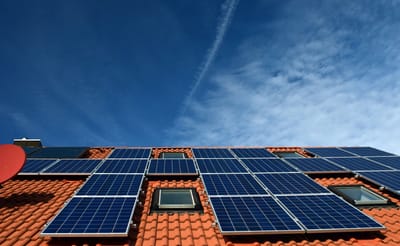
The North Texas region has quickly established itself as a major hub for residential solar adoption. Homeowners across the Dallas-Fort Worth metroplex are capitalizing on the region’s abundant sunshine to slash their monthly electric bills and insulate their households from the rising costs of the local utility grid. However, many residents fall into a dangerous “set-it-and-forget-it” mindset once their solar arrays are mounted on the roof. Because solar modules do not feature moving mechanical components, it is easy to assume they require zero ongoing maintenance to perform at peak capacity.
In reality, a silent efficiency killer is actively accumulating on rooftops across Dallas. Airborne dust from North Texas plains, concrete residue from local construction, tree pollen, and bird droppings form a dense, baked-on film over the face of tempered solar glass. In the renewable energy industry, this environmental buildup is known as “soiling.” While a light layer of dust may seem entirely harmless, neglecting routine cleaning can quietly drain your system’s electrical output, cost you hundreds of dollars in lost utility savings, and ultimately accelerate the physical degradation of your system components.
The Science of Soiling: How Dirt Chokes Solar Production
To understand why clean panels are non-negotiable for financial performance, you must look at how photovoltaic cells convert light into usable electricity. Solar panels do not operate based on the ambient heat of the sun; they rely entirely on the unobstructed absorption of clean solar photons. When photons strike the silicon wafer inside a cell, they knock electrons loose, generating a direct current electrical flow.
When a thick layer of dust, environmental grime, or organic debris blankets the protective glass covering, it acts exactly like a heavy window tint. The physical debris scatters and blocks incoming light waves, preventing photons from ever reaching the silicon layer below. According to comprehensive data from the National Renewable Energy Laboratory, standard environmental soiling can easily strip away 5% to 15% of a solar system’s total operating efficiency if it is left uncleaned for an extended period.
In a climate like Dallas, this problem is heavily compounded by weather patterns. North Texas frequently experiences long, dry summer stretches characterized by high winds that whip up fine clay dust and agricultural particulate matter. When a light rain shower finally occurs, it rarely provides enough water volume to wash the panels clean. Instead, a brief drizzle simply dampens the existing layer of dust, turns it into a thick, muddy paste, and bakes it into a solid, concrete-like crust under the intense 100-degree Texas sun. This crust forms an aggressive barrier that rainfall alone can no longer penetrate or dissolve.
The Financial Drain of Capped Energy Yields
The direct consequence of an uncleaned, soiled solar array is a noticeable and permanent spike in your monthly utility costs. When your solar panels operate at a 10% or 15% deficit due to baked-on grime, your home must instantly make up for that missing electricity by drawing power directly from your Retail Electric Provider. Because Texas electricity rates continue to climb, every kilowatt-hour of clean energy your panels fail to produce translates into direct out-of-pocket expenses on your next monthly bill.
For a standard residential solar installation in the Dallas area, a prolonged 10% drop in energy production can easily wash away $150 to $300 in clean energy savings annually. Over the course of a few short years, allowing dirt to steal your solar power can destroy thousands of dollars in lifetime system ROI. If you are participating in a local solar buyback or net metering plan with a provider like Oncor, maximizing your system’s daily energy generation is critical to building up valuable bill credits during high-demand summer afternoons. Dirt on your panels directly limits your ability to generate excess electricity, drastically cutting into your financial returns.
Hidden Mechanical Risks: Hot Spots and Long-Term Damage
While the immediate financial impact of dirty panels manifests as higher electric bills, the hidden long-term mechanical risks pose a far greater threat to your wallet. Soiling does not always accumulate uniformly across a rooftop array. Often, debris like bird droppings, fallen leaves, or thick lines of pollen collect heavily along the bottom edges of individual modules where the aluminum frames trap moisture and runoff.
When a solid, opaque obstruction completely blocks sunlight from hitting an individual solar cell while the surrounding cells continue to receive full sun, the blocked cell stops producing electricity entirely. Instead of acting as a power generator, the darkened cell begins to behave like an electrical resistor. The massive electrical current generated by the rest of the functional panels is forced to pass through this highly resistant, blocked cell.
This localized resistance creates a severe technical vulnerability known as a hot spot. The temperature of the obstructed cell can rapidly skyrocket to dangerous levels, completely scorching the underlying silicon wafer, melting internal solder joints, and permanently burning through the protective weatherproof backsheet. Once a hot spot causes this level of localized thermal damage, the panel’s internal circuitry is permanently ruined. A single unaddressed bird dropping or pile of leaves can effectively kill an entire module, forcing you into an early system breakdown that requires an expensive equipment replacement.
The Hidden Danger of Improper DIY Washing
When homeowners realize that dirt is actively stealing their power, their first instinct is often to pull out a standard green garden hose, climb a ladder, and spray down the panels themselves. Unfortunately, taking an uncertified, do-it-yourself approach to cleaning delicate solar arrays in North Texas can result in irreversible, catastrophic damage to your clean energy asset.
The primary danger stems from thermal shock. During a typical Dallas summer day, the tempered glass surface of a solar panel frequently reaches internal temperatures between 130 and 150 degrees Fahrenheit. If you spray cold, unconditioned tap water directly onto that scorching hot glass, the sudden, extreme temperature differential causes the glass layer to violently contract. This instantly shatters the entire face of the panel into thousands of tiny fragments or introduces thousands of microscopic internal fractures across the silicon cells.
Furthermore, North Texas municipal tap water is notoriously rich in dissolved minerals like calcium and magnesium. When you spray hard city water onto your panels and let it dry in the sun, the water evaporates, leaving behind a thick, white layer of scale and mineral calcification. This mineral scale is incredibly difficult to remove and acts as a permanent, abrasive filter that chokes out sunlight even worse than the original dust. Additionally, using abrasive kitchen soaps, chemical window cleaners, or stiff-bristled brooms will permanently scratch the delicate anti-reflective glass coating applied by the factory, permanently reducing the panel’s light-absorption capacity and completely voiding your multi-decade manufacturer equipment warranties.
Safe Restoration: When It Is Time for Professional Intervention
Maintaining a pristine solar array requires specialized tools, pure materials, and professional expertise. Certified solar technicians clean panels utilizing advanced deionized water filtration systems. Deionized water is completely stripped of all minerals and impurities, allowing it to act like a magnet for dust and environmental grime. Technicians use specialized, ultra-soft non-abrasive solar brushes to gently loosen baked-on debris, rinsing the surface cleanly without leaving a single streak, residue film, or mineral spot behind.
However, if your solar panels have been neglected for many years, or if they were installed with poor spacing that has allowed a massive accumulation of debris, nesting pests, and mold to completely rot out the wiring harnesses underneath, simple surface washing may no longer be enough to save your system. When an array suffers from severe, deep-seated environmental neglect or structural damage to the roof deck beneath the racking, you must invest in a comprehensive solar panel removal and reinstall dallas tx service.
By hiring a team of licensed electrical specialists to execute a full solar panel removal and reinstall dallas tx, you can completely reset and protect your clean energy investment. Professional technicians will safely de-energize the high-voltage system, systematically unbolt and remove the modules from your roof, and thoroughly clean the panels on the ground where they can be safely inspected for hidden micro-cracks or hot spots.
While the panels are detached, technicians can fully clear out any packed debris, repair weather-beaten wiring lines, install heavy-duty critter guards to keep local squirrels and birds out, and replace aging roof flashings before reinstalling the array to modern municipal building codes. This proactive mechanical overhaul completely eliminates hidden performance bottlenecks, transforms your system’s efficiency, and ensures your home continues to harvest maximum clean energy savings for decades to come.