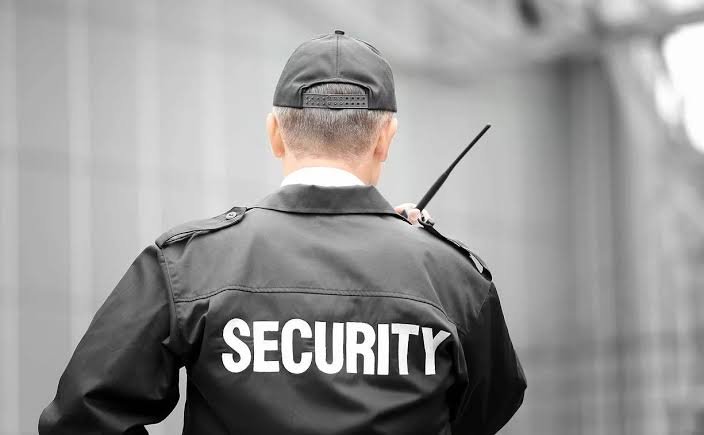
Warehouses are essential to supply chains, storing inventory, equipment, raw materials, and valuable business assets. However, their size, multiple access points, delivery schedules, and periods of limited activity can create security challenges. Theft, unauthorised entry, vandalism, and operational disruptions may result in financial losses and delays.
A reliable security strategy combines preventive measures, trained personnel, suitable technology, and regular risk reviews. Advent Security recognises that every facility has different operational requirements. By identifying vulnerabilities and implementing practical safeguards, warehouse operators can improve site protection and support more efficient operations.
Understanding Warehouse Security Requirements
Warehouse security requires a tailored approach based on the property’s layout, inventory value, workforce, and daily activities. A facility receiving frequent deliveries may face different risks from a distribution centre operating primarily overnight.
Professional Security Services for Warehouses can help businesses establish consistent procedures for monitoring premises, controlling access, and responding to suspicious activity. Depending on the agreed service, security arrangements may include patrols, gatehouse duties, visitor checks, CCTV monitoring, and incident reporting.
Important warehouse security priorities include:
- Perimeter protection: Inspect fencing, gates, external doors, and other potential entry points.
- Access control: Establish clear procedures for employees, contractors, visitors, and delivery drivers.
- Inventory protection: Identify high-value goods and consider additional safeguards for vulnerable storage areas.
- Vehicle management: Maintain suitable processes for recording deliveries, dispatches, and authorised vehicle movements.
- After-hours security: Apply appropriate measures when staffing levels are reduced or facilities are closed.
- Incident documentation: Record security concerns consistently to support investigation and future improvements.
These measures work best when responsibilities are clearly assigned and procedures are communicated to everyone who uses the facility.
Why Security Risk Assessments Matter
Installing security equipment without understanding the property’s vulnerabilities can leave important gaps. A structured assessment helps businesses identify potential threats, evaluate existing controls, and determine which improvements deserve priority.
Professional Security Risk Assessment Services Australia businesses seek can support a more systematic approach to security planning. The scope of an assessment may include reviewing physical access points, existing surveillance, alarm systems, lighting, operational procedures, and incident records.
A risk assessment generally considers three key factors:
- Identifying potential threats
The first step is to understand what could affect the facility. Potential concerns may include theft, unauthorised access, deliberate damage, internal losses, and disruption to essential operations.
- Evaluating vulnerabilities
The next step is to examine weaknesses that could make an incident more likely. Examples include poorly secured loading bays, inadequate lighting, inconsistent visitor records, or gaps in surveillance coverage.
- Prioritising protective measures
Not every issue requires the same level of investment. Businesses should consider the likelihood of an incident, its potential consequences, and the effectiveness of available controls when deciding what to address first.
Risk assessments should reflect actual site conditions rather than relying on generic recommendations.
Combining People, Processes, and Technology
Effective warehouse protection depends on several measures working together. Security personnel can conduct authorised patrols and monitor access, while CCTV systems provide visual coverage of designated areas. Alarm systems may alert authorised personnel to particular events, and access control technology can help manage entry permissions.
However, equipment alone cannot eliminate every risk. Cameras require suitable placement and maintenance, alarm systems need regular testing, and access permissions should be reviewed when staffing or contractor arrangements change.
Written procedures are equally important. Warehouse managers should define how to report suspicious activity, manage lost access credentials, respond to alarm activations, and escalate emergencies.
Staff awareness can also make a difference. Employees who understand security procedures are better positioned to recognise unusual activity and report concerns promptly.
Building a Practical Warehouse Security Plan
Businesses should begin by reviewing their facility layout, operating hours, inventory, delivery patterns, and previous incidents. They can then establish clear priorities and develop a proportionate security plan.
Useful actions include securing vulnerable entry points, improving external lighting, maintaining accurate inventory records, reviewing access permissions, and documenting security incidents. Regular inspections can help identify new weaknesses as operations evolve.
Working with an experienced security provider can help warehouse operators evaluate suitable services and coordinate protective measures. Periodic reviews are valuable because changes to storage arrangements, staffing, or distribution activities may introduce new risks.
Conclusion
Warehouse security is most effective when it combines risk awareness, practical prevention, trained personnel, and appropriate technology. Tailored security services can help protect inventory and premises, while structured risk assessments provide a foundation for informed security decisions.
Advent Security encourages businesses to review their vulnerabilities regularly and select protective measures that reflect their operational needs. A proactive, well-organised approach can strengthen asset protection, support employees, and help maintain business continuity.