While juggling one e-commerce storefront is difficult enough-scaling globally, launching local assortment and products, or supporting separate B2C and B2B channels-it easily breaks down on a monolithic platform. High-growth merchants often find that as they grow and adopt fragmented backend technologies, the inventory conflicts, duplicate work and disjointed experiences across points of contact create bottlenecks.
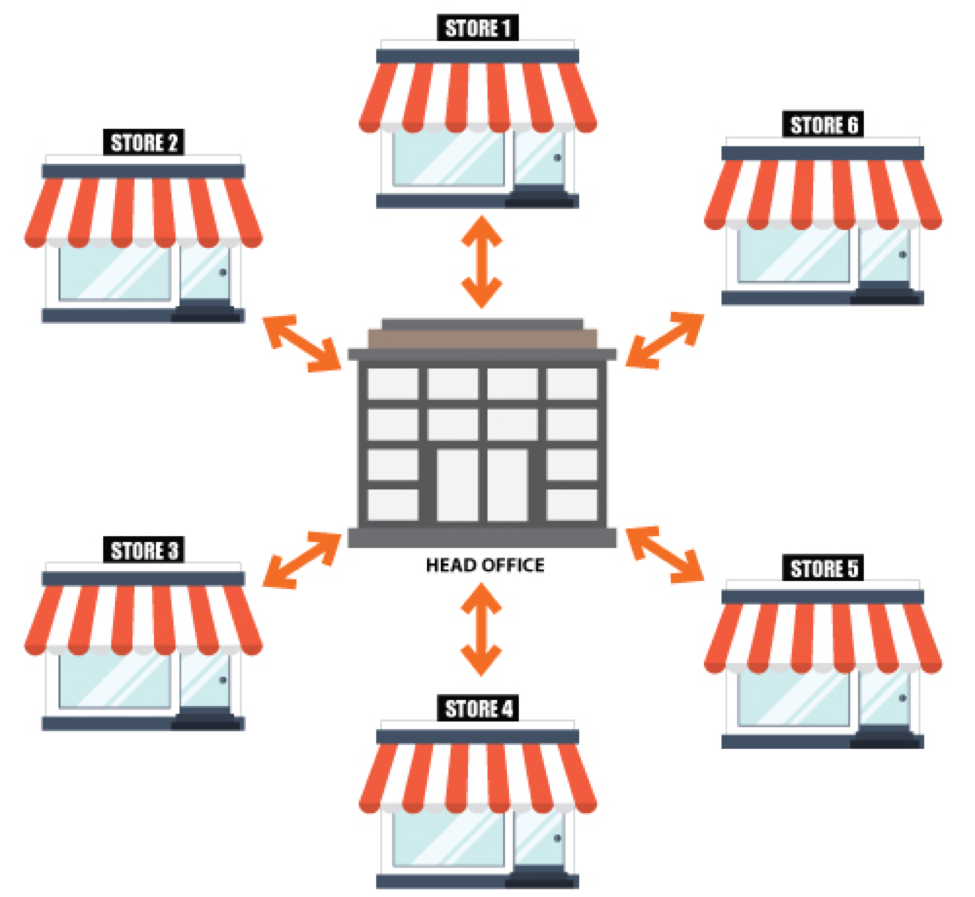
Transitioning to enterprise-grade infrastructure solves these operational bottlenecks by unifying multi-store management under one centralized roof.
In this guide, you will explore the primary shopify plus benefits for brands running multi-store models. We will break down how enterprise architecture simplifies regional expansion, streamlines multi-channel inventory management, and drives sustainable global growth without multiplying your team’s operational workload.
Centralized control of Multiple Stores With multiple storefronts spanning geographic locations, control under one administrative structure is a huge benefit of enterprise commerce. There are several administrative differences, from standard platform pricing. Instead of logging into countless instances of one platform, merchants take on the world from a central point.
1. Targeted Expansion Stores Enterprise
options like Shopify Plus include up to nine expansion store versions under one contract, meaning a growing brand that typically relies on the standard contract model would typically end up paying a subscription each for each market they expand into (e.g., a store for US, one for the UK, one for Canada, one for Europe, etc.), each with their own currency selections, payment providers and catalog items.
2. Comprehensive Admin Users, permissions
While managing multiple regional websites inherently creates significant risk in permissions management, enterprise settings allow for the management of universal role templates,bulk permissions, and restricting permissions access by geographic region or organizational structure. This permits local store managers to have complete autonomy over their location’s respective sites without compromising any core system logic or global security settings.
3. All In One for B2B and Consumer Channels

In order to operate a b2b section and also a consumer focused presence as two completely separate locations a.k.a. An extra catalog website for your wholesaler and b2c site you take on more work.
No more separate processes and inventory to synchronize with each store because your B2B activity can happen directly out of a separate channel. Establish designated payment programs, price tables, volume discounts, fully independent customer order taking (for registered businesses), and a fully contained order processing flow.
Multiple order processes.
Same fulfillment logic. A Plan That Works for Your Visual Look In order to convey any branding message-visual or otherwise-visual display matters above all else. Page loading speeds matter. Your homepage customer layout matters.
If we evaluate market-leaders’ storefronts there’s one common architectural lesson – they all render extremely quickly and leverage visuals primarily in order to funnel visitors into the purchasing path smoothly.
Enterprise entities scale that lesson further by creating multi-store frameworks that incorporate consistent master theme codebases so that seasonal campaigns, updated design themes, or landing pages can be pushed out to both individual and regional stores concurrently. At the same time, each regional or global entity remains capable of customizing local copy, displaying unique featured collections or tailoring promotional banner images – all within the native consumer experience.
Strategic Evaluation: Pros, Cons, and Key FAQs
An enterprise platform offers consolidation for your multi-store business. Balancing operational impacts to directly meet the business need ensures an informed enterprise decision from your leadership.
Pros of Enterprise Multi-Store Infrastructure
• Deeply Reduced Licensing Cost.
Package together nine expansion stores under one umbrella license, saving money over multiple platform instances.
• Cohesive Inventory.
Connect to your existing ERP or PIM to prevent overselling and ensure accurate stock levels across every store.
• Higher API Rate Limits. Provide more deeply embedded API to seamlessly sync all custom applications, enterprise CRMs, or WMS without the system burden.
• Enterprise Storefront Customization.
Quickly integrate up-sells and apply globally unique address validation or trusted badges at Checkout via the modern Checkout Extensibility.
Cons of Enterprise Multi-Store Infrastructure
• Substantive Upfront Migration work.
Requires an integration or software team with expertise to structure multi-region databases, translate existing workflows, map fields, and perform a bulk inventory sync.
• Limit the Use of Diverse Brands.
For the purposes of consolidating one software license, a brand (or sub-brand) is required. This cannot, for example, include a mother company and then the company’s newly acquired sister company in completely different industries under the same license agreement.
• Multiple 3rd Party Licenses.
As one may expect with numerous custom features, while the core software is licensed at the top level, many 3rd Party developers provide their unique features by licensing the ability to run the feature per- storefront, increasing the cost for all added-on applications and utilities.
Frequently Asked Questions
How do enterprise expansion stores handle multi-currency checkouts?
Expansion stores help ensure each regional store can transact and localize currency at checkout. They bring all the best social media marketing agency websites features to your storefront – localized currencies and pricing, region-specific taxes, and locally supported payment methods directly from checkout.
Expand to new international territories, and let customers checkout seamlessly.
Will we have the ability to control all shared inventory from all separate storefronts?
Yes – By bringing together enterprise admin, Middleware or ERP and your global inventory – all your different global stores will be linked and as soon as a sale comes through one location, this global inventory will also update.
When will we use our Shopify Markets as compared to expansion stores?
WhileShopify Markets is used for regional currency and price localisationon on single store view, expansion stores give us completely separate websites. You get different backends for each different region, separate coding and custom different apps to serve global.
Increasing Sales Globally

It shouldn’t get complicated scaling a multiple site e-commerce brand.
With enterprise multi-store set-up, there is now the capability for high-value brands to build fully international, localised stores, to split the difference between wholesale and retail stores and ensure consistency in branding across your brand all at ease. Unite backend administration, deliver smooth global checkout and build with proven code – there are no barriers to expansion with our trusted enterprise build that supports every international business.