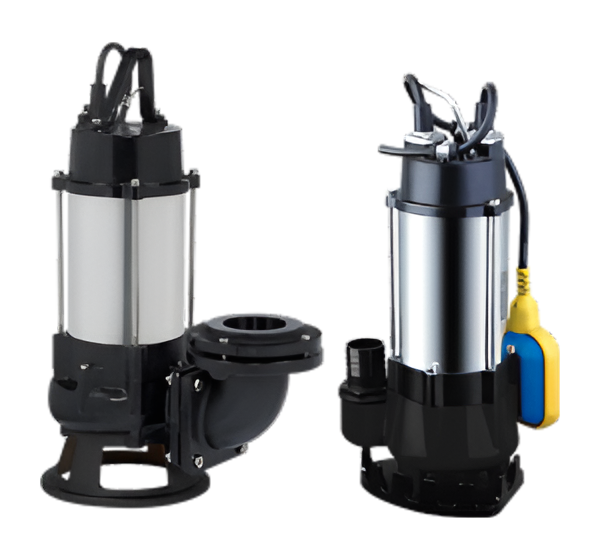
A Sewage Submersible Pump designed to handle wastewater, solids, and sludge efficiently in residential, commercial, and industrial drainage systems.
In today’s fast-growing urban and industrial environment, managing wastewater efficiently is more important than ever. From residential buildings to large-scale industries, proper drainage and sewage handling systems are essential for maintaining hygiene, safety, and environmental balance. One of the most dependable solutions for this purpose is the Sewage Submersible Pump, designed to operate effectively even in the most challenging conditions.
This blog explains how these pumps work, highlights their advantages and applications, and furthermore shows why they are a reliable choice for modern drainage systems.
nderstanding Sewage Submersible Pump Systems
A Sewage Submersible Pump operates while completely immersed in water or wastewater and moves liquids and solids efficiently without requiring above-surface placement. Unlike traditional pumps that stay above the liquid level, these pumps sit directly inside the fluid and push waste effectively to higher levels or treatment systems.
The design handles solids, sludge, and other waste materials without causing clogging. As a result, it is highly suitable for sewage systems where debris and solid particles are commonly present.
How It Works
The working principle of a Sewage Submersible Pump is simple yet effective. The pump is tightly enclosed to stop water from reaching the motor. When submerged, it uses an impeller to create pressure, pushing wastewater through the discharge pipe.
Because the pump operates underwater, it eliminates the need for priming. As a result, this not only improves efficiency but also reduces the risk of mechanical failure. Moreover, the surrounding liquid helps cool the motor, thereby enhancing its lifespan and overall performance.
Key Features
Modern sewage pumps come with advanced features that make them reliable and efficient:
1. Non-Clog Design These pumps are built to handle solid waste without blockage, ensuring smooth operation.
2. Corrosion Resistance Materials used in the construction are resistant to chemicals and corrosion, making them ideal for long-term use.
3. Energy Efficiency A Sewage Submersible Pump consumes less energy compared to traditional systems, helping reduce operational costs.
4. Compact Structure Its space-saving design makes it simple to install, even in tight or restricted areas.
5. Automatic Operation Many models come with float switches that enable automatic start and stop based on water levels.
Applications Across Industries
Moreover, the versatility of these pumps makes them suitable for a wide range of applications:
Residential Areas Used in apartments, homes, and housing societies to manage sewage and wastewater.
Commercial Buildings Shopping malls, offices, and hotels rely on these pumps for efficient drainage systems.
Industrial Use Factories and plants use them to handle waste liquids and sludge effectively. In many setups, an Effluent Pump is also used alongside to manage treated wastewater discharge.
Municipal Systems Urban drainage and sewage treatment plants depend heavily on these pumps to maintain cleanliness and public health.
Construction Sites Temporary drainage solutions at construction sites often include a Sewage Submersible Pump to remove accumulated water and waste.
Benefits of Using Sewage Submersible Pumps
Choosing the right pumping solution can significantly impact operational efficiency. Here are some key benefits:
1. High Efficiency Since the pump is submerged, it does not require priming, which improves overall efficiency.
2. Reduced Noise Operating underwater reduces noise levels, making it ideal for residential areas.
3. Low Maintenance With fewer moving parts exposed to air, wear and tear are minimized.
4. Improved Safety The sealed design reduces the risk of electrical hazards.
5. Long Service Life Proper cooling and robust construction contribute to a longer lifespan.
Comparison with Other Pump Types
While there are various types of pumps available, each serves a different purpose.
An Effluent Pump handles partially treated water with fewer solids. Additionally, it works efficiently in systems where wastewater has already undergone some level of filtration.
On the other hand, an Air Cooled Pump is designed for applications where external cooling is required. These pumps are typically used in environments where submersion is not possible, and airflow is needed to maintain temperature.
However, when it comes to handling raw sewage with solid waste, a Sewage Submersible Pump remains the most efficient and reliable option.
Installation and Maintenance Tips
To ensure optimal performance, therefore, proper installation and maintenance are essential.
Installation Tips Make sure the pump is installed at the correct depth and position. Additionally, proper alignment helps avoid vibration and ensures smooth operation. Furthermore, always use compatible pipes and fittings to prevent leakage.
Regular Inspection Check for wear and tear, especially in the impeller and seals. Identifying problems at an early stage helps avoid expensive repairs later.
Cleaning Periodic cleaning helps maintain efficiency, even though these pumps handle waste effectively.
Professional Servicing Regular servicing by experts ensures that the pump continues to perform at its best.
Choosing the Right Pump
Choosing the most suitable pump involves evaluating multiple important factors:
- Type of waste being handled
- Required flow rate
- Head (height the liquid needs to be lifted)
- Power consumption
- Installation environment
A well-chosen Sewage Submersible Pump not only improves efficiency but also reduces long-term operational costs.
Environmental Impact
Efficient sewage handling plays a crucial role in protecting the environment. Moreover, proper use of pumps helps prevent contamination of water bodies and reduces health risks.
Modern systems integrate both a Sewage Submersible Pump and an Effluent Pump to treat and dispose of wastewater responsibly. This combination supports sustainable water management practices.
Future of Sewage Pump Technology
With advancements in technology, sewage pumps are becoming smarter and more efficient. Moreover, features like IoT integration, remote monitoring, and energy optimization are transforming how these systems operate.
Innovations in materials and design are also improving durability and performance, making these pumps more reliable than ever.
Conclusion
In conclusion, a Sewage Submersible Pump is an essential component in modern drainage and sewage handling systems. Its ability to operate efficiently under challenging conditions, handle solid waste, and require minimal maintenance makes it a preferred choice across residential, commercial, and industrial applications.
If you are looking for a dependable and high-performance solution, choosing the right pump is crucial. Trusted brands like JEE Pumps offer advanced pumping solutions designed to meet diverse requirements with efficiency and durability.
Contact the experts at JEE Pumps today to find the right pump for your specific needs and experience efficient wastewater management like never before.
Source Url: https://www.monu.org/sewage-submersible-pump-for-efficient-drainage/