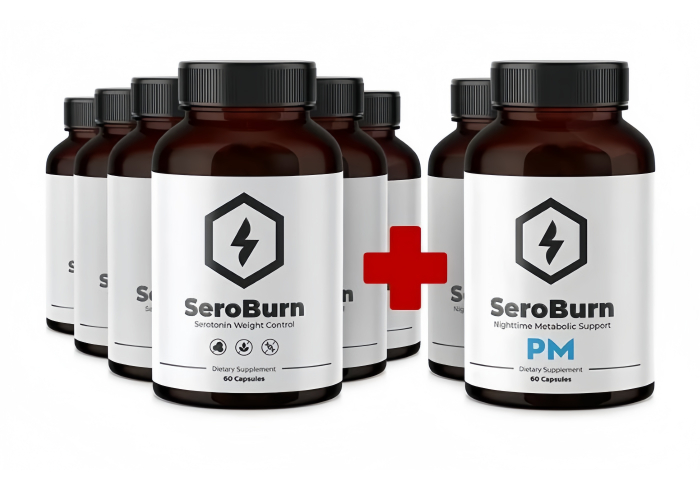
SeroBurn can be explored as part of the modern dietary supplement landscape, where consumers have access to products formulated around different nutritional and wellness objectives. Before adding any supplement to a daily routine, understanding the product’s ingredients, serving information, directions, and labeling can help support a more informed decision.
Dietary supplements come in many forms and can contain a wide range of ingredients. Some formulas include vitamins and minerals, while others contain botanical extracts, amino acids, or combinations of nutritional compounds. Since every formulation is different, the product label remains an important source of information.
Why People Explore Dietary Supplements
People may consider supplements for various reasons related to nutrition and lifestyle. Some want to complement their normal diet, while others may be interested in particular ingredients or nutritional categories.
However, a supplement should generally be considered alongside everyday habits rather than separately from them. Food choices, physical activity, sleep, hydration, and other lifestyle factors can all contribute to overall wellness.
Understanding this broader context can help consumers develop realistic expectations about what a supplement can and cannot provide.
Reading a Supplement Label
The product label is one of the most useful resources when researching a dietary supplement. It can provide specific details that may not be obvious from general promotional descriptions.
Consumers can look for:
- Serving size
- Amount of each ingredient
- Complete ingredient list
- Suggested directions
- Other ingredients
- Storage recommendations
- Manufacturer information
- Product warnings
Checking these details is especially useful for people who already use other supplements because some formulas may contain similar ingredients.
Learning About Ingredients
Individual ingredients can have different levels of scientific evidence. Some have been examined through numerous studies, while others may have less available research.
When researching an ingredient, consumers can consider the type of evidence, the amount studied, and whether the research applies to the particular formulation being considered.
Evidence about a single ingredient should not automatically be interpreted as proof that a finished supplement will produce a particular outcome. Research should be viewed in context.
Supplements and Healthy Weight Goals
Weight management is frequently discussed in connection with dietary supplements. However, changes in body weight can be influenced by many different factors.
These can include:
- Overall food intake
- Physical activity
- Sleep patterns
- Genetics
- Stress
- Daily routines
- Individual circumstances
Because of these factors, a supplement should not be viewed as a replacement for sustainable nutrition and lifestyle habits.
Building Better Nutrition Habits
A balanced diet can provide a broad range of nutrients through foods such as vegetables, fruits, whole grains, legumes, nuts, seeds, and appropriate protein sources.
Dietary variety is useful because different foods contain different nutrients and compounds. Supplements can complement dietary intake in certain circumstances, but they are not generally a substitute for a varied eating pattern.
People with specific nutritional requirements may benefit from individualized advice from a qualified professional.
Combining Nutrition With Activity
Physical activity is another important part of a balanced lifestyle. Individuals can select activities based on their fitness level, preferences, and abilities.
Walking, cycling, swimming, stretching, and resistance exercises are examples of activities that can be incorporated into different routines.
The goal is generally to develop habits that can be maintained consistently rather than relying on short-term or extreme changes.
Using Supplements Carefully
Following the recommended directions on a product label is an important part of responsible supplement use. Increasing the serving size without professional guidance is not necessarily beneficial.
Consumers should also consider everything else they take, including other dietary supplements and medications. Overlapping ingredients can increase overall intake, while certain compounds may interact with medications.
Keeping a simple record of products and serving amounts can make it easier to review a supplement routine.
Individual Safety Considerations
Dietary supplements can affect individuals differently. People taking medications or managing existing health conditions should consider professional guidance before adding a new product.
Pregnant or breastfeeding individuals and people preparing for medical procedures may also require additional advice.
Reading product warnings and checking the complete ingredient list can help consumers identify ingredients that may not be suitable for them.
Evaluating Product Information
A careful approach to supplement research involves separating factual information from marketing language. Consumers can compare ingredient lists, serving information, directions, manufacturer details, and available evidence before making a decision.
Claims that promise guaranteed outcomes should be treated cautiously. No single supplement can replace the many factors that contribute to overall health and wellness.
Creating a Sustainable Routine
If someone chooses to use a dietary supplement, it can be incorporated into an existing routine rather than treated as the foundation of wellness. Consistent nutrition, regular movement, sufficient rest, and appropriate hydration remain important parts of everyday wellbeing.
Tracking how a product fits into the routine can also make it easier to evaluate whether continued use is appropriate.
Final Thoughts
SeroBurn can be approached through an informational lens by examining its ingredients, serving details, product directions, and place within a broader nutrition and wellness routine. Careful label reading, realistic expectations, balanced nutrition, regular physical activity, and attention to individual circumstances can help consumers make more informed choices when considering dietary supplements.