A roof is one of the most important structural components of any residential or commercial property. It protects the building from rain, wind, sunlight, and changing weather conditions while contributing to indoor comfort, energy efficiency, and overall property value. However, roofing materials do not last forever. Over time, exposure to environmental conditions, natural aging, and insufficient maintenance can reduce their effectiveness and increase the likelihood of structural problems. When repairs are no longer sufficient to maintain reliable protection, Roof Replacement becomes an important consideration for property owners. Understanding when an existing roof has reached the end of its useful life helps homeowners make timely decisions and avoid the additional expenses associated with extensive water damage and recurring maintenance issues.
Planning a complete roofing upgrade involves several important decisions, including evaluating the existing structure, selecting suitable materials, establishing a realistic budget, and choosing qualified installation professionals. Many homeowners are uncertain about whether their roofing problems require minor repairs or a complete replacement. Others want to understand how long the project takes, what happens during installation, and how to prepare their properties for construction work. Having clear information about these stages makes the process less complicated and helps property owners establish realistic expectations. A properly planned roofing project can improve weather resistance, enhance exterior appearance, support energy efficiency, and provide dependable protection for many years.
Understanding When a Roof Needs Replacement
Recognizing the warning signs of an aging or deteriorating roof is essential for determining when an upgrade may be necessary. One of the most noticeable indicators is widespread shingle damage, including curling, cracking, missing sections, and excessive granule loss. These conditions can reduce the roof’s ability to protect the underlying structure from moisture and environmental exposure. Persistent leaks are another serious concern, particularly when water continues entering the property despite previous repair attempts. Homeowners may also notice ceiling stains, peeling paint, damp insulation, or visible signs of moisture in attic spaces. A sagging roofline can indicate more significant structural concerns that require immediate professional evaluation. The age of the roofing system should also influence the decision because different materials have different expected service lives depending on installation quality, maintenance, and environmental conditions. However, age alone does not determine whether replacement is necessary. A professional inspection provides a clearer understanding of material deterioration, structural condition, and the remaining performance potential of the existing system. Evaluating these factors helps property owners decide whether targeted repairs remain practical or whether a complete upgrade would provide better long-term value.
Benefits of Investing in a New Roofing System
Installing a new roof offers several advantages that extend beyond improving the appearance of a property. One of the primary benefits is enhanced protection against environmental conditions. Modern roofing materials and installation methods can provide improved resistance to moisture, wind exposure, and temperature fluctuations when selected and installed appropriately. A new roofing system can also help address existing problems associated with aging materials, damaged flashing, inadequate ventilation, and deteriorating underlayment. Another important advantage is the opportunity to improve energy performance. When roofing materials are combined with suitable insulation and ventilation, they can contribute to better indoor temperature management and reduce unnecessary heating or cooling demands. Exterior appearance is another consideration because an updated roof can complement architectural features and create a more maintained, attractive property. For homeowners considering future resale, a professionally installed roofing system may also improve buyer confidence by reducing concerns about immediate maintenance requirements. Furthermore, replacing an extensively deteriorated roof can help prevent recurring repair expenses and reduce the possibility of moisture-related damage to interior spaces. These benefits make a roofing upgrade a valuable investment in structural protection, property functionality, and long-term maintenance planning.
Choosing the Right Roofing Materials for Your Property
Material selection plays a major role in determining the performance, appearance, and maintenance requirements of a new roofing system. Property owners should consider the building’s architectural design, structural capacity, local climate, and available budget before selecting a particular product. Asphalt shingles remain a popular choice for residential properties because they offer different styles, colors, and price ranges while providing practical weather protection. Metal roofing is another option for homeowners interested in durability, lightweight construction, and long-term performance. Tile roofing can create a distinctive appearance and offer considerable longevity, although its weight may require additional consideration regarding the building’s structural capacity. Flat and low-slope commercial roofs generally require specialized materials, such as suitable membrane systems, designed to manage water exposure and reduce leakage risks. Each roofing option has different installation requirements, maintenance expectations, and warranty conditions. Homeowners should also consider how well a material performs under local environmental conditions, particularly where properties experience heavy rainfall, strong winds, intense sunlight, or significant temperature changes. Consulting experienced professionals helps identify compatible products and understand the practical differences between available options. Selecting suitable materials based on performance rather than appearance alone supports a more reliable roofing investment.
Preparing Your Property Before the Replacement Project
Proper preparation helps ensure that a roofing project proceeds efficiently while minimizing disruption to household activities. Before installation begins, homeowners should discuss the project schedule, expected working hours, material delivery arrangements, and access requirements with the selected professionals. Roofing work can create noise, vibration, and falling debris, so removing fragile objects from walls, shelves, and outdoor areas can help prevent accidental damage. Vehicles should be moved away from the immediate work zone, while outdoor furniture, decorative items, and valuable landscaping features may need temporary protection. Property owners should also consider pets, children, and household members who may be affected by construction activity. Inside the property, checking attic spaces and securing stored belongings can help reduce concerns associated with dust or minor vibrations during material removal. Another important preparation step involves reviewing the written project agreement to confirm the materials, installation scope, payment schedule, and estimated completion timeline. Homeowners should understand how unexpected structural damage will be handled if it is discovered after the old roofing materials are removed. Effective communication before construction begins creates a more organized working environment and helps prevent avoidable misunderstandings throughout the project.
What to Expect During the Roof Installation Process
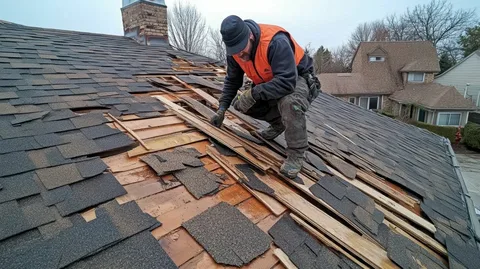
A complete roofing project generally follows several stages, beginning with preparation and removal of the existing materials. The installation team first establishes a safe working area and takes appropriate measures to protect the surrounding property. Existing shingles, tiles, or other roofing materials are then removed so the underlying roof decking can be examined. This stage is particularly important because concealed problems such as moisture damage, weakened wood, or deteriorating structural components may become visible only after the old materials have been taken away. Any necessary repairs should be completed before the new roofing system is installed. Once the surface is properly prepared, professionals install the appropriate underlayment and other protective components according to the selected roofing system’s requirements. New shingles, metal panels, tiles, or membrane materials are then positioned and secured using suitable installation techniques. Flashing is carefully installed around vulnerable areas such as chimneys, skylights, roof valleys, and ventilation openings to reduce the risk of water penetration. Ventilation and drainage components are also evaluated to ensure they function effectively with the completed system. Throughout the installation, quality checks help confirm that materials are positioned correctly and that important connections receive proper attention. The project generally concludes with debris removal, a final inspection, and a review of completed work with the property owner.
Understanding Project Costs, Timelines, and Professional Estimates
Budgeting is an essential part of planning a successful roofing upgrade because total project expenses depend on several factors. The size and shape of the roof, selected materials, installation complexity, existing structural condition, and labor requirements can all influence the final cost. Additional expenses may arise from removing multiple roofing layers, replacing damaged decking, upgrading flashing, improving ventilation, or arranging specialized equipment for difficult roof designs. Property owners should request detailed written estimates that explain the complete scope of work rather than relying on a single overall price. Comparing multiple quotations can provide a better understanding of available options, but material quality, workmanship, and included services should also be considered. Project timelines vary depending on weather conditions, roof dimensions, material availability, and construction requirements. Smaller residential projects may be completed relatively quickly, while larger or more complicated installations can require additional time. An experienced Roof Replacement professional should explain the expected schedule and communicate any circumstances that could affect completion. Homeowners should also ask about payment arrangements, warranties, cleanup responsibilities, and procedures for handling unexpected repairs. Understanding these details before signing an agreement helps maintain financial control and creates realistic expectations for the entire project.
Maintaining Your New Roof for Long-Term Performance
Once installation is complete, regular maintenance becomes important for protecting the new roofing system and preserving its expected service life. Although modern roofing materials are designed to withstand environmental exposure, they still require appropriate care and periodic evaluation. Homeowners should arrange professional inspections to identify early signs of damage, particularly after severe storms or periods of strong winds. Gutters and downspouts should remain clear so rainwater can drain away from the roof instead of collecting around vulnerable areas. Flashing, roof valleys, ventilation openings, and other connections should also be checked for signs of deterioration or displacement. Attic ventilation and insulation deserve attention because excessive heat and moisture can affect the performance of roofing components over time. Homeowners should avoid walking directly on roofing materials unless the activity is performed by qualified professionals using appropriate safety procedures. Keeping records of inspections, maintenance work, material specifications, and warranty information can also make future property management easier. Following manufacturer recommendations and addressing minor concerns promptly helps reduce the likelihood of unexpected repairs. A consistent maintenance approach allows property owners to protect their investment while maintaining the appearance and functionality of the upgraded roofing system.
Conclusion
Upgrading an aging or damaged roof is an important decision that can significantly influence a property’s safety, structural condition, appearance, and long-term value. Recognizing warning signs such as recurring leaks, deteriorating shingles, moisture damage, and structural concerns helps homeowners determine when a complete roofing upgrade may be more practical than repeated repairs. Successful planning requires careful material selection, realistic budgeting, professional installation, and proper preparation before construction begins. Choosing experienced specialists also helps ensure that important installation details receive appropriate attention and that the finished system meets relevant quality and safety requirements. A well-planned Roof Replacement project provides an opportunity to improve weather protection, address existing weaknesses, and establish a stronger foundation for future property maintenance. By investing in quality materials, reliable workmanship, and regular inspections, homeowners can enjoy a durable roofing system that supports comfort, protection, and lasting property value.