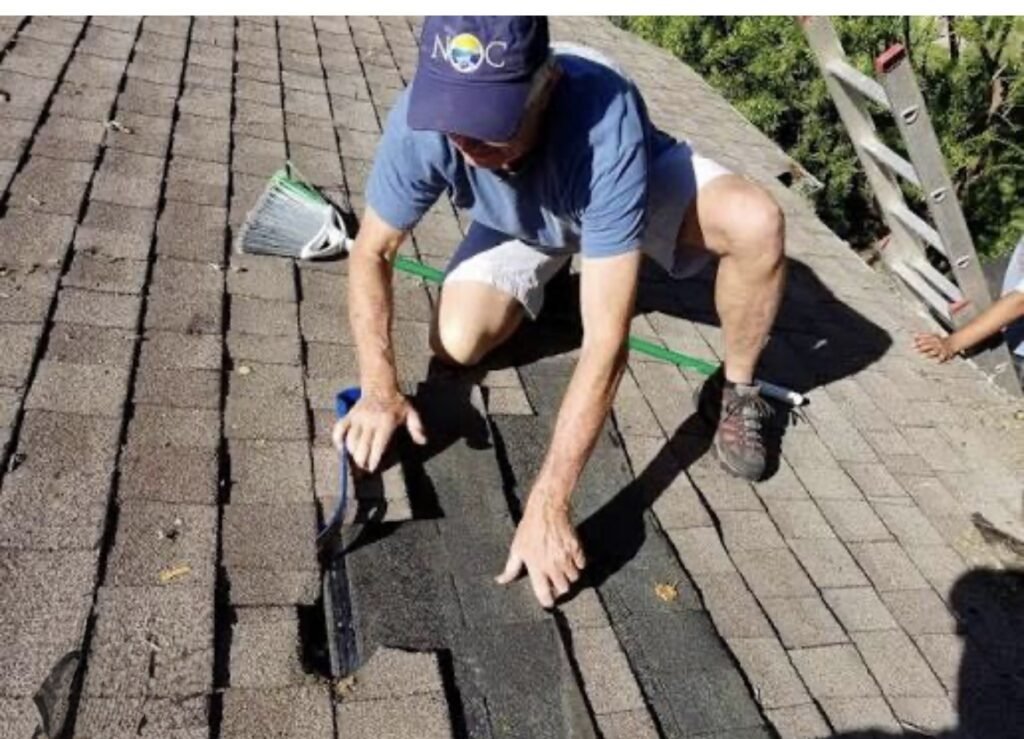
A roof protects your home from rain, wind, heat, and storms. Over time, small issues can develop even when the roof looks fine from the ground. Missing shingles, loose flashing, poor drainage, or early signs of water damage may become bigger concerns if they are left unchecked.
Regular roof care can help homeowners notice these problems sooner. A roof inspection Arlington can provide a closer look at the roofing system and help identify areas that may need attention. Knowing what to check and when to seek professional help can make roof maintenance easier and help protect your home.
Step 1: Look at the Roof From the Ground
Start by checking the roof from a safe location. Look for shingles that appear missing, cracked, curled, or out of place. You can also check for roofing materials in the yard.
Pieces of shingles or other materials may be signs of recent storm damage. Do not climb onto the roof during a basic inspection. A roof can be slippery or unsafe, especially after rain or severe weather.
Step 2: Check for Water Damage
Water damage inside your home can be an early sign of a roofing problem. Check ceilings, walls, and attic spaces for changes.
Look for:
- Water stains
- Damp areas
- Peeling paint
- Dark spots
- Musty odors
- Wet insulation
A water stain does not always appear directly below the damaged roof area. Water can move through different parts of the roofing system before reaching the inside of the home.
Step 3: Examine the Gutters
Gutters help move rainwater away from the roof and home. When they become blocked, water may not drain properly.
Look for leaves, twigs, dirt, or other debris inside the gutters. Also check for loose sections, visible damage, or areas where water may not flow correctly. Keeping gutters clean can support better drainage and help reduce water-related roof problems.
Step 4: Check the Flashing
Flashing helps protect areas where the roof meets walls, vents, chimneys, and other openings. Loose, cracked, or damaged flashing can create weak points where water may enter.
These areas can be difficult to check closely from the ground, so they may need professional attention. A closer inspection can help determine whether flashing is still providing proper protection.
Step 5: Look for Storm Damage
Severe weather can affect many parts of a roof. Strong winds may loosen or remove shingles, while hail can leave dents, cracks, or areas of granule loss.
After a major storm, look for visible changes from the ground. Check the yard for roofing pieces and look at gutters for dents or damage. Some storm damage may not be easy to see. If you suspect a problem, a professional inspection can provide a more detailed assessment.
Step 6: Consider the Roof’s Age
Roof age can provide useful information when checking its condition. An older roof may need closer attention, especially if it also shows signs of wear.
However, age alone does not mean a roof needs replacement. A well-maintained roof may continue to perform well, while a younger roof can develop problems after severe weather. Consider the roof’s age along with its current condition and repair history.
Step 7: Review Past Repairs
Think about how often the roof has needed repairs. A single repair does not necessarily indicate a serious problem.
However, repeated leaks or repairs in different areas may suggest that the roof needs a more complete evaluation. Keeping records of past roofing work can help homeowners understand which areas have had problems and when repairs were completed.
Step 8: Arrange a Professional Inspection
A professional inspection can provide information that may not be possible to get from the ground. A qualified roofing contractor Arlington TX can examine the roof and check areas such as shingles, flashing, roof edges, drainage points, and other roofing components.
The goal is to understand the roof’s overall condition and identify problems that may need attention. This can help homeowners make decisions based on the actual condition of the roofing system.
Step 9: Address Problems Early
Once a roofing problem is found, it is better to address it without unnecessary delay. A small issue may become more difficult if water continues to enter the roof.
For example, a damaged shingle may allow moisture to reach the layers underneath. Continued moisture can affect insulation, decking, ceilings, or walls. Early action may help limit the problem and keep the repair focused on the affected area.
Step 10: Keep Up With Regular Roof Care
Roof inspections should not only happen when something goes wrong. Regular attention can help homeowners stay aware of changes in the roofing system.
Keep gutters clear, trim branches near the roof, and check for visible damage after severe weather. Pay attention to changes inside the home as well. Simple maintenance can help homeowners notice concerns sooner and decide when professional help may be needed.
Conclusion
A roof inspection does not have to start with a complicated process. Homeowners can begin by safely checking the roof from the ground, looking for water damage, clearing gutters, and watching for signs of storm damage.
When a closer evaluation is needed, a roof inspection Arlington can help identify problems that may not be visible during a basic check. A qualified roofing contractor Arlington TX can also help homeowners understand the roof’s condition and determine what steps may be appropriate.
Regular roof care and timely attention can help homeowners protect their property and manage roofing problems before they become more difficult.