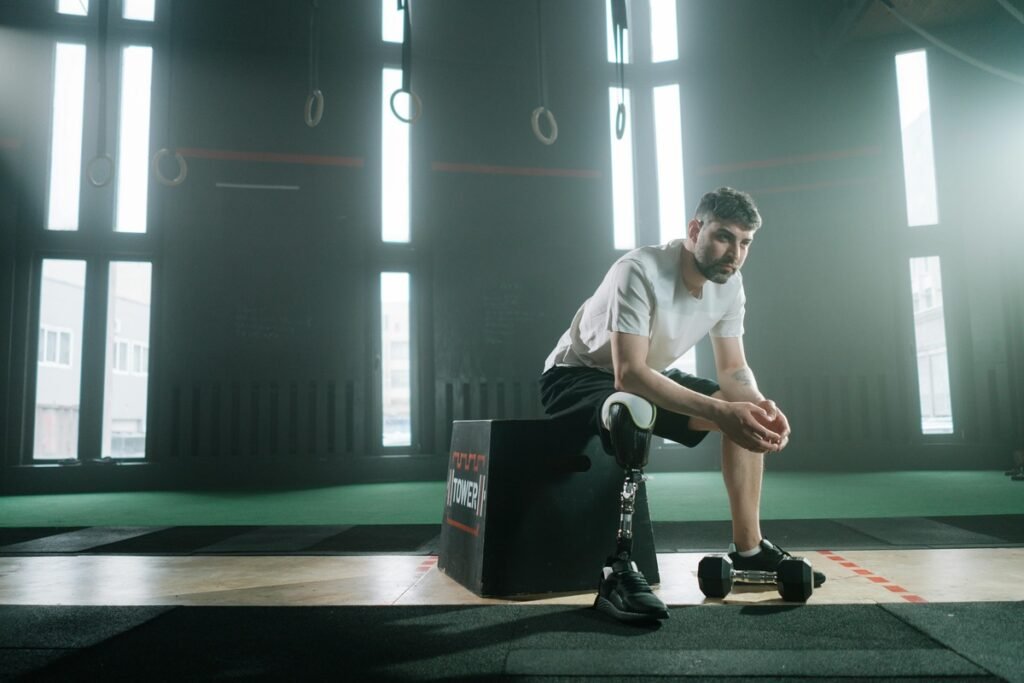
rehabilitation programme
A well-designed rehabilitation programme brings together several coordinated components to help a person recover function, manage symptoms, regain independence, and achieve realistic long-term goals. The exact structure depends on the injury, illness, disability, surgical procedure, or functional limitation being treated, but effective programmes generally combine assessment, goal setting, therapeutic intervention, education, exercise, functional training, monitoring, and ongoing review.
Understanding the key rehabilitation programme components helps patients, clinicians, rehabilitation providers, and case managers develop programmes that are structured around individual needs rather than relying on a standard treatment approach.
What Are Rehabilitation Programme Components?
Rehabilitation programme components are the individual elements that make up a structured rehabilitation plan. They work together to address physical limitations, psychological wellbeing, functional difficulties, social participation, and the person’s ability to return to everyday activities.
A rehabilitation programme may include:
- Initial assessment and functional evaluation
- Individual rehabilitation goals
- Exercise and physical conditioning
- Mobility and functional training
- Pain and symptom management
- Psychological support
- Education and self-management
- Occupational rehabilitation
- Communication and coordination between professionals
- Progress monitoring
- Programme review and adjustment
- Discharge planning and long-term maintenance
Not every patient requires every component. The programme should be proportionate to the person’s condition, functional limitations, recovery stage, and personal objectives.
Key Rehabilitation Programme Components
1. Comprehensive Rehabilitation Assessment
Assessment is the foundation of an effective rehabilitation programme. Before treatment begins, the rehabilitation team should establish the person’s current physical, cognitive, psychological, and functional abilities.
Depending on the circumstances, assessment may consider:
- Pain and symptom severity
- Strength and muscle function
- Joint movement and flexibility
- Balance and coordination
- Walking and mobility
- Cardiovascular fitness
- Neurological function
- Activities of daily living
- Work-related limitations
- Psychological and emotional factors
- Social circumstances
- Environmental barriers
- Previous treatment and rehabilitation
- The person’s own recovery priorities
The assessment provides a baseline against which future progress can be measured.
2. Individualised Rehabilitation Goals
Rehabilitation goals should be specific to the individual rather than based solely on a diagnosis.
For example, a general objective might be to “improve mobility”, whereas an individualised goal could be to walk independently for 20 minutes, return to a particular workplace activity, climb household stairs safely, or resume a recreational activity.
Goals may be divided into:
Short-term goals:
Reducing symptoms, improving movement, increasing strength, or establishing safe mobility.
Medium-term goals:
Improving endurance, independence, functional ability, and confidence.
Long-term goals:
Returning to work, sport, education, normal household activities, or maintaining independence.
Clear goals also make it easier to determine whether the rehabilitation programme is producing meaningful improvement.
3. Therapeutic Exercise and Physical Conditioning
Exercise is one of the most important components of many rehabilitation programmes. Exercises should be selected according to the person’s condition, functional requirements, current capacity, and stage of recovery.
A programme may incorporate:
- Strengthening exercises
- Stretching and flexibility work
- Balance exercises
- Cardiovascular conditioning
- Core stability training
- Postural exercises
- Range-of-motion exercises
- Coordination exercises
- Progressive resistance training
- Functional movement exercises
Exercise intensity should generally progress according to tolerance and clinical response. A structured progression can help restore physical capacity without unnecessarily aggravating symptoms.
4. Mobility and Functional Training
Rehabilitation is not simply about improving physical measurements. The ultimate objective is often to improve what a person can actually do in daily life.
Functional rehabilitation may therefore involve practising:
- Walking
- Stair negotiation
- Transfers
- Standing and sitting
- Reaching
- Lifting
- Bending
- Dressing
- Personal care
- Household activities
- Workplace tasks
- Community mobility
For patients recovering from significant injury, neurological conditions, surgery, or prolonged illness, functional training can be particularly important because improved strength does not automatically translate into independence.
5. Pain and Symptom Management
Pain can interfere with movement, sleep, exercise participation, confidence, and everyday activities. Rehabilitation programmes may therefore include strategies to help the individual understand and manage symptoms while safely progressing activity.
Depending on the condition, management may involve:
- Therapeutic exercise
- Activity modification
- Manual therapy where clinically appropriate
- Positioning strategies
- Pacing
- Relaxation techniques
- Education about symptom management
- Heat or cold interventions where appropriate
- Referral for medical review when required
The objective is not simply to eliminate every symptom before rehabilitation begins. In many situations, appropriate rehabilitation involves gradually improving function while symptoms are monitored and managed.
6. Education and Self-Management
Education enables patients to participate actively in their recovery.
Important areas may include understanding:
- The nature of the condition
- Expected recovery patterns
- Appropriate activity levels
- Exercise techniques
- Symptom monitoring
- Warning signs requiring medical attention
- Safe progression of activity
- Preventing avoidable setbacks
- Strategies for managing rehabilitation outside clinical appointments
A strong programme should give the individual practical tools they can continue using between sessions and after formal rehabilitation ends.
7. Psychological and Emotional Support
Physical recovery can be affected by anxiety, fear, low confidence, stress, frustration, reduced motivation, or concerns about returning to normal activities.
Where appropriate, rehabilitation may therefore incorporate psychological support or referral to an appropriate mental health professional.
Psychological components may address:
- Fear of movement
- Reduced confidence
- Adjustment to injury or disability
- Anxiety surrounding recovery
- Motivation
- Coping strategies
- Return-to-work concerns
- Persistent pain-related distress
Psychological support should complement physical rehabilitation rather than treating physical and psychological recovery as completely separate processes.
8. Occupational Rehabilitation
For people whose injury or illness affects employment, occupational rehabilitation can form an important part of the programme.
This may involve assessing:
- Job demands
- Working posture
- Manual handling requirements
- Physical endurance
- Concentration and cognitive demands
- Workplace accessibility
- Required adaptations
- Suitable duties
- Graduated return-to-work arrangements
A phased return may allow an individual to progressively increase working hours or responsibilities as their capacity improves.
9. Multidisciplinary Rehabilitation
Complex cases may require input from several healthcare and rehabilitation professionals. Depending on individual requirements, a rehabilitation team may include:
- Physiotherapists
- Occupational therapists
- Rehabilitation physicians
- Psychologists
- Psychiatrists
- Speech and language therapists
- Nurses
- Dietitians
- Specialist consultants
- Vocational rehabilitation professionals
Effective multidisciplinary rehabilitation requires communication between professionals so that treatment objectives do not become fragmented or contradictory.
10. Home-Based Rehabilitation
Rehabilitation should not necessarily stop when a clinical appointment ends. Home-based exercises and activities can help maintain continuity between sessions.
A home programme may include:
- Prescribed exercises
- Mobility practice
- Functional activities
- Activity pacing
- Symptom monitoring
- Education and self-management strategies
The programme should be realistic enough to fit the person’s daily routine. Excessively complicated plans may reduce adherence.
11. Progress Monitoring and Outcome Measurement
Progress should be reviewed throughout rehabilitation rather than assumed from attendance alone.
Depending on the condition, clinicians may monitor:
- Pain levels
- Strength
- Range of movement
- Walking distance
- Balance
- Exercise tolerance
- Functional independence
- Work capacity
- Quality of life
- Psychological wellbeing
- Achievement of individual goals
Objective measures can be combined with the person’s own assessment of how their daily life has changed.
12. Regular Review and Programme Adjustment
A rehabilitation programme should be adaptable. Recovery does not always follow a predictable pattern, and treatment that was appropriate at the beginning may become less suitable as functional capacity changes.
Reviews can determine whether:
- Goals have been achieved
- Exercises need progressing
- Activities need modifying
- New limitations have appeared
- Additional professional input is required
- Treatment intensity should change
- Further assessment is necessary
- The programme should continue, reduce, or conclude
This makes rehabilitation a dynamic process rather than a fixed list of appointments.
13. Return to Normal Activities
A successful rehabilitation programme should ultimately focus on meaningful participation.
Depending on the person’s circumstances, this could mean returning to:
- Independent living
- Education
- Employment
- Sport
- Driving
- Household responsibilities
- Social activities
- Community participation
The transition should be gradual where necessary, with appropriate consideration of physical capacity, confidence, safety, and environmental demands.
14. Discharge and Long-Term Maintenance
Discharge should be planned rather than simply occurring when appointments finish.
Before completing formal rehabilitation, the individual should understand:
- Which exercises or activities should continue
- How to maintain improvements
- How to manage occasional symptoms
- When to seek professional advice
- How to safely increase activity
- What warning signs should not be ignored
- Whether follow-up is required
Long-term self-management can help preserve functional gains after supervised rehabilitation has ended.
Rehabilitation Programme Components by Recovery Stage
| Rehabilitation stage | Main components |
|---|---|
| Initial stage | Assessment, symptom management, education and safety |
| Early rehabilitation | Gentle exercise, mobility and basic functional training |
| Progressive rehabilitation | Strength, endurance, balance and activity progression |
| Functional rehabilitation | Daily activities, work tasks and independence |
| Return-to-activity stage | Work, sport, education and community participation |
| Maintenance | Self-management, exercise and relapse prevention |
What Makes a Rehabilitation Programme Effective?
An effective rehabilitation programme should be individualised, measurable, progressive and responsive.
The most important principles include:
- Starting with a thorough assessment
- Establishing meaningful goals
- Selecting interventions according to individual needs
- Progressing activity appropriately
- Encouraging active patient participation
- Addressing physical and psychological barriers
- Measuring meaningful outcomes
- Communicating across the rehabilitation team
- Reviewing the programme regularly
- Preparing the individual for long-term self-management
The strongest rehabilitation programmes focus on functional improvement, not simply the number of treatment sessions completed.
Frequently Asked Questions About Rehabilitation Programme Components
What are the main components of a rehabilitation programme?
The main components typically include assessment, goal setting, therapeutic exercise, functional training, symptom management, education, psychological support where required, progress monitoring, multidisciplinary input, and discharge planning.
How long does a rehabilitation programme take?
There is no universal duration. Recovery depends on the underlying condition, severity of impairment, treatment requirements, response to rehabilitation, and individual goals. Some programmes may last several weeks, while complex cases can require substantially longer support.
Should rehabilitation programmes be personalised?
Yes. Rehabilitation should be based on the individual’s functional limitations, goals, medical circumstances, environment, and response to treatment. A standard programme may not address the specific barriers affecting an individual’s recovery.
Can rehabilitation include psychological support?
Yes. Psychological support can be an important component when emotional distress, anxiety, reduced confidence, adjustment difficulties, or other psychological factors affect recovery and participation.
What happens if rehabilitation progress stops?
A plateau or setback should prompt reassessment rather than automatically continuing the same programme. The rehabilitation team may review the diagnosis, goals, treatment approach, activity levels, barriers to progress, and need for additional specialist assessment.
Conclusion
The essential rehabilitation programme components work together to move an individual from assessment and treatment towards greater independence and meaningful participation in everyday life. A comprehensive programme can combine physical rehabilitation, functional training, education, psychological support, occupational considerations, progress measurement, and long-term self-management.
Rather than following a rigid sequence, rehabilitation should evolve as the individual’s abilities and goals change. Regular assessment and adjustment ensure that treatment remains relevant, progressive, and focused on achieving measurable functional outcomes.