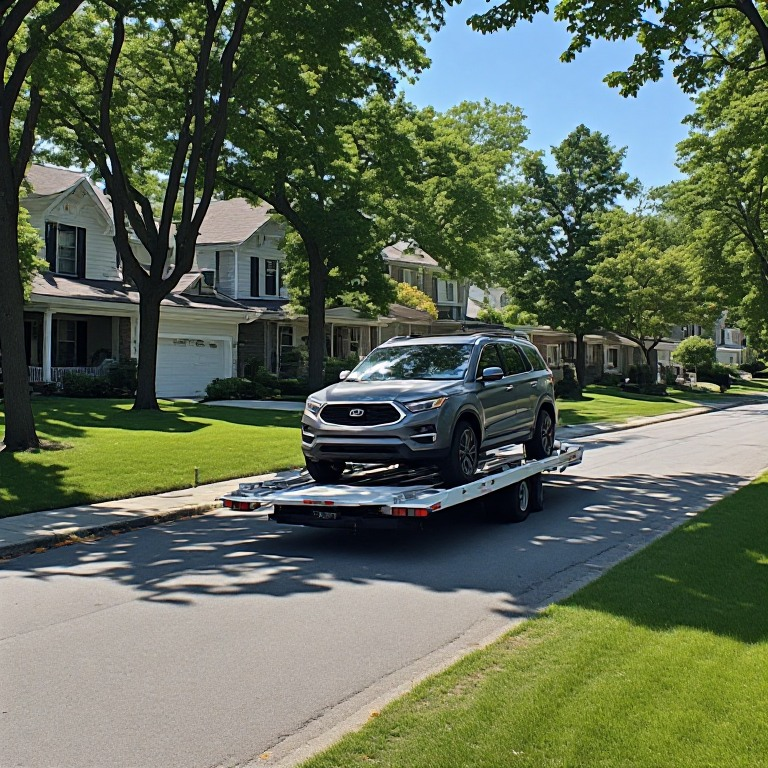
Shipping a vehicle across the United States does not have to become a complicated part of a move. Whether you are relocating for work, purchasing a car from another state, sending a vehicle to a family member, or moving a seasonal car, a little preparation can make the process much easier.
A rapid approach to auto shipping is not simply about getting a vehicle delivered as quickly as possible. It also means avoiding preventable delays, having the right information ready, selecting an appropriate transport service, and maintaining clear communication throughout the shipment.
Start With the Details That Actually Matter
Before requesting an auto transport quote, gather the information a carrier or shipping company will need. Have the vehicle’s make, model, year, condition, pickup location, delivery destination, and preferred shipping dates available.
It is also helpful to mention whether the vehicle is running or inoperable. A non-running vehicle may require additional equipment for loading, so mentioning this early prevents surprises later.
Accurate information helps create a more realistic shipping plan. Changing important details after a shipment has been arranged can affect scheduling and logistics.
Your Pickup Location Can Influence the Schedule
A vehicle does not always need to be picked up from a major city to be shipped efficiently. However, accessibility matters.
Consider a residential street with narrow roads, low-hanging branches, restricted parking, or limited space for a large transport truck. In such situations, the driver may need to arrange a nearby safe meeting point.
If your home is difficult for a carrier to access, discuss alternatives before pickup day. A convenient nearby location can sometimes make loading easier and reduce unnecessary waiting.
For urban shipments, also consider parking restrictions and local traffic patterns. Providing clear instructions about the property can help the driver plan ahead.
Choose the Transport Style Around Your Vehicle
Not every vehicle requires the same type of transportation.
Open auto transport is commonly used for everyday sedans, SUVs, pickups, and other standard vehicles. Because multiple vehicles can be transported on the same trailer, it is a popular option for customers looking for practical long-distance shipping.
Enclosed auto transport places the vehicle inside a covered trailer. Owners of classic, exotic, luxury, collector, or otherwise valuable vehicles may prefer this option because it provides additional protection from outside exposure.
The right choice depends on your vehicle, route, budget, and preferences rather than simply choosing the fastest-sounding option.
Prepare the Car Before the Carrier Arrives
Preparation is one of the easiest ways to prevent avoidable delays.
Before pickup:
- Remove personal belongings from the vehicle.
- Keep fuel at a low but usable level.
- Disable alarms if applicable.
- Check tire pressure and battery condition.
- Make sure the vehicle can be started and moved if it is operational.
- Remove or secure loose exterior accessories.
- Keep the keys and required documents available.
Taking photographs of the vehicle from several angles is also a smart precaution. Capture the exterior, wheels, windows, bumpers, and any existing scratches or dents in good lighting.
These photographs create a useful record of the vehicle’s condition before transportation.
Don’t Judge Shipping Speed by Distance Alone
A common mistake is assuming that a shorter route will always produce a faster delivery.
Auto transport involves more than the number of miles between two addresses. Carrier availability, route demand, weather, traffic, pickup accessibility, vehicle type, and scheduling can all affect transportation time.
For example, a shipment between two major metropolitan areas may benefit from frequent carrier traffic, while a pickup from a remote location could require additional coordination.
If timing matters, tell the shipping company about your preferred pickup and delivery window as early as possible. Building the shipment around a realistic schedule is more useful than expecting an exact arrival time based only on mileage.
Communication Keeps the Move Moving
Good communication can make a noticeable difference during vehicle transportation.
Make sure the shipping company and driver have accurate contact information. Keep your phone available around the pickup window, and respond promptly if the driver needs directions or confirmation.
Rapid Auto Shipping provides real-time shipment updates to help customers stay informed about their vehicle’s progress. Having access to updates can be particularly useful when coordinating a move, flight, hotel stay, or new-home arrival.
If someone else will receive the vehicle at the destination, make sure that person understands the delivery arrangements beforehand.
When You’re Moving, Think Beyond the Car
A long-distance relocation often involves more than moving one vehicle. You may also be arranging flights, household movers, temporary accommodation, work schedules, or storage.
Driving the vehicle yourself adds another responsibility to that list. You have to account for fuel, meals, overnight stays, traffic, mileage, and several hours or days behind the wheel.
Professional auto transport allows you to separate your travel plans from the vehicle’s journey. You can fly or take another form of transportation while the car is shipped separately.
For people moving between states, this can make the overall relocation easier to coordinate.
A Simple Checklist for a Smoother Shipment
Before confirming your shipment, check these five things:
| Before Shipping | What to Confirm |
| Vehicle details | Make, model, condition, and operability |
| Pickup | Address accessibility and preferred dates |
| Transport | Open or enclosed service |
| Preparation | Personal items removed and vehicle documented |
| Communication | Correct phone number and delivery contact |
These small checks can prevent many common misunderstandings and help keep the transportation process organized.
Moving Toward a More Efficient Shipping Experience
A smooth auto shipment is usually the result of preparation rather than rushing at the last minute. From choosing the right trailer to documenting the vehicle and communicating pickup details, each decision can contribute to a more organized experience.
Rapid Auto Shipping serves customers across all 50 states with open and enclosed transportation, door-to-door service, free instant quotes, real-time updates, and fully insured vehicle shipping. For anyone planning an interstate move, preparing early can make the difference between a stressful vehicle relocation and a straightforward one.
Frequently Asked Questions
- How quickly can a car be shipped?
Transportation time varies according to the route, carrier availability, weather, traffic, vehicle requirements, and pickup and delivery locations. A shipping company can provide a more useful timeframe after reviewing the specific shipment.
- Is open transport safe for everyday vehicles?
Yes. Open auto transport is widely used for standard vehicles such as cars, SUVs, and pickup trucks. Enclosed transport is another option for owners who want a covered transportation environment.
- Should I remove personal items before shipping?
Yes. It is generally best to remove personal belongings before the vehicle is loaded. The vehicle should primarily contain items required for transportation rather than household or personal possessions.
- Can an inoperable car be transported?
In many cases, yes. However, the shipping company should know in advance because special equipment may be required to load and unload a non-running vehicle.
- How can I make my car shipment more efficient?
Start planning early, provide accurate vehicle information, prepare the car properly, choose an appropriate transport method, and maintain communication throughout the shipment. These steps can reduce avoidable complications.