How PVC Geomembrane Is Transforming Water Conservation in Modern Infrastructure Projects
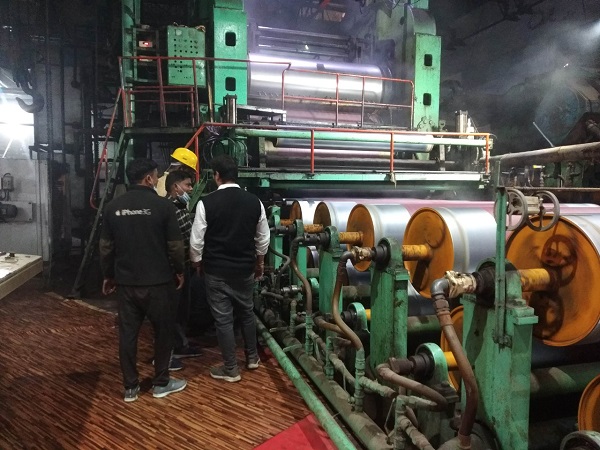
pvc-geomembrane-manufacturing-plant-india
Water conservation is no longer just an environmental discussion. Today, it has become a serious infrastructure and engineering challenge.
Across India, irrigation systems, reservoirs, canals, industrial ponds, and dam structures lose a significant amount of water every year due to seepage. At first, this loss may not always be visible, but over time it directly affects storage efficiency, project performance, and operational cost.
Honestly, this is where PVC geomembrane technology has started making a very noticeable difference.
Traditional lining systems such as compacted soil, brick lining, stone pitching, or even concrete channels have been used for decades. They still serve their purpose in many cases. But the problem is long-term durability.
Concrete develops cracks.
Soil naturally absorbs water.
Settlement creates leakage zones.
And once that starts happening, maintenance becomes continuous.
This is exactly why more engineers and project consultants are moving toward modern geomembrane systems.
What Makes PVC Geomembrane Different
A PVC geomembrane is essentially an impermeable synthetic lining layer designed to prevent water movement through soil and structural surfaces.
Simple idea.
But in real projects, its impact is huge.
A Pvc geomembrane sheet creates a waterproof barrier between stored water and the surrounding ground. This helps reduce seepage loss significantly.
If you’re working on irrigation or storage infrastructure, you’ll immediately understand why this matters.
Even small seepage losses across long canal distances or large reservoirs can result in major water wastage.
That’s why geomembrane for canal lining and geomembrane pond liner applications are becoming much more common now.
Also, one thing that really stands out is flexibility.
Ground surfaces are rarely perfectly smooth.
There are slopes, uneven soil conditions, and minor settlement movements.
PVC geomembrane adapts well to these conditions, which helps reduce stress points and leakage risk.
Real-World Infrastructure Applications
This technology is now being used across multiple sectors.
And honestly, that versatility is one of its biggest strengths.
Canal Lining
One of the most common applications is geomembrane for canal lining.
In irrigation systems, canals often lose water through the base and side slopes. Over long distances, this becomes a serious issue.
Using PVC geomembrane helps keep water inside the channel and improves delivery efficiency.
This is especially important for agriculture-driven regions.
Reservoirs and Water Storage
Reservoir seepage is another major concern.
Whether it’s a government water storage project, industrial pond, or farm reservoir, stored water needs to stay where it is.
This is where 40 Mil PVC Pond Liner and 30 mil pvc geomembrane liner solutions are widely used.
They improve retention and reduce long-term losses.
Dam Projects
Modern dam rehabilitation and water storage projects also use geomembrane for dams.
Traditional lining methods often fail due to cracking and age-related deterioration.
PVC geomembrane offers a stronger long-term barrier.
Tunnel Waterproofing
Underground structures constantly deal with seepage pressure.
This makes geomembrane for tunnels and Tunnel waterproofing systems extremely important.
Water ingress in tunnels can damage concrete lining, electrical systems, and reinforcement.
Using waterproofing geomembrane systems helps prevent that.
Road Infrastructure
Many people don’t realize this, but geomembrane for roads is also widely used.
It helps control moisture movement within the subgrade layer.
This improves soil stability and road life.
Environmental Protection
For waste containment systems, Landfill geomembrane plays a very important role.
It helps prevent leachate from entering soil and groundwater.
This is critical for environmental safety.
Engineering Benefits That Actually Matter
Let’s keep this practical.
The biggest benefit is obviously seepage prevention.
Less water loss means better project efficiency.
But there’s more.
Durability
PVC geomembrane is designed for long service life.
It can handle:
- UV exposure
- temperature variation
- moisture pressure
- chemical exposure
- soil movement
This makes it highly suitable for outdoor infrastructure.
Low Maintenance
Once properly installed, maintenance requirements remain relatively low.
This is something contractors and project planners genuinely value.
Because repeated repair cycles increase long-term cost.
System Compatibility
Another thing worth noticing is how well it works with Geotextile layers.
The geotextile protects against puncture and adds mechanical strength.
Honestly, this combination makes the entire lining system much more reliable.
Why It Matters in India
India is heavily focused on water conservation and infrastructure modernization.
From irrigation upgrades to reservoir expansion and smart city development, water management has become central to planning.
This is where geomembrane manufacturers india are becoming increasingly important.
Solutions that improve water efficiency and reduce wastage directly support national infrastructure goals.
Also, BIS approved geomembrane systems aligned with BIS IS 15909:2010, ASTM, and EN standards help maintain engineering confidence.
For consultants, EPC contractors, and government planners, standards matter a lot.
Long-Term Sustainability Perspective
This is probably one of the strongest reasons behind growing adoption.
Water conservation is directly linked to sustainability.
Less seepage means:
- better water availability
- reduced groundwater depletion
- lower maintenance cost
- improved lifecycle performance
Not saying this is the only solution.
But it is definitely one of the most practical long-term solutions available right now.
Conclusion
PVC geomembrane is changing how modern infrastructure projects handle water conservation and seepage control.
From canals and reservoirs to dams, tunnels, roads, and landfill systems, its applications continue to expand.
Its flexibility, durability, and long-term reliability make it a strong engineering solution for future-ready infrastructure.
If you’re involved in civil engineering, water management, or infrastructure planning, honestly, this is one technology worth paying serious attention to.