PRP Hair Treatment Dubai: A Comprehensive Guide to Restoring Hair Naturally
prp hair treatment dubai
Hair loss is a common concern affecting both men and women across different age groups. Factors such as genetics, hormonal changes, stress, nutritional deficiencies, and environmental conditions can contribute to thinning hair and hair loss. As a result, many people seek effective, non-surgical solutions to improve hair density and stimulate natural hair growth. One treatment that has gained significant popularity in recent years is PRP hair treatment Dubai.
Platelet-Rich Plasma (PRP) therapy is an innovative procedure that uses the body’s own healing properties to support hair restoration. With advanced medical facilities and highly trained specialists, Dubai has become a leading destination for individuals looking for modern hair loss treatments. This article explores everything you need to know about PRP hair treatment, including how it works, its benefits, the procedure, recovery, and why Dubai is a preferred location for this treatment.
What Is PRP Hair Treatment?
PRP, or Platelet-Rich Plasma, is a medical treatment that utilizes a concentrated form of platelets derived from the patient’s own blood. Platelets contain growth factors and proteins that play an essential role in tissue repair and regeneration.
In the context of hair restoration, PRP is injected into areas of the scalp experiencing hair thinning or early hair loss. The growth factors present in the plasma help stimulate dormant hair follicles, improve blood circulation to the scalp, and encourage healthier hair growth.
Because the treatment uses the patient’s own blood, the risk of allergic reactions or rejection is extremely low, making it a safe and natural option for many individuals. Check this also mommy makeover
Why Is PRP Hair Treatment Dubai So Popular?
The growing demand for PRP hair treatment Dubai can be attributed to several factors. Dubai is known for its world-class healthcare infrastructure, advanced cosmetic procedures, and experienced medical professionals.
Some reasons why people choose Dubai for PRP hair treatment include:
- Access to modern medical technologies
- Highly qualified dermatologists and hair restoration specialists
- International standards of patient care
- Customized treatment plans
- Comfortable and luxurious clinical environments
- Availability of complementary hair restoration therapies
Many residents and international visitors seek PRP therapy in Dubai because it offers a minimally invasive solution with little downtime.
How Does PRP Hair Treatment Work?
The PRP process generally involves three main steps:
1. Blood Collection
A small amount of blood is drawn from the patient’s arm, similar to a routine blood test.
2. Plasma Separation
The blood sample is placed in a centrifuge, a specialized machine that spins rapidly to separate its components. This process isolates the platelet-rich plasma from other blood elements.
3. Scalp Injections
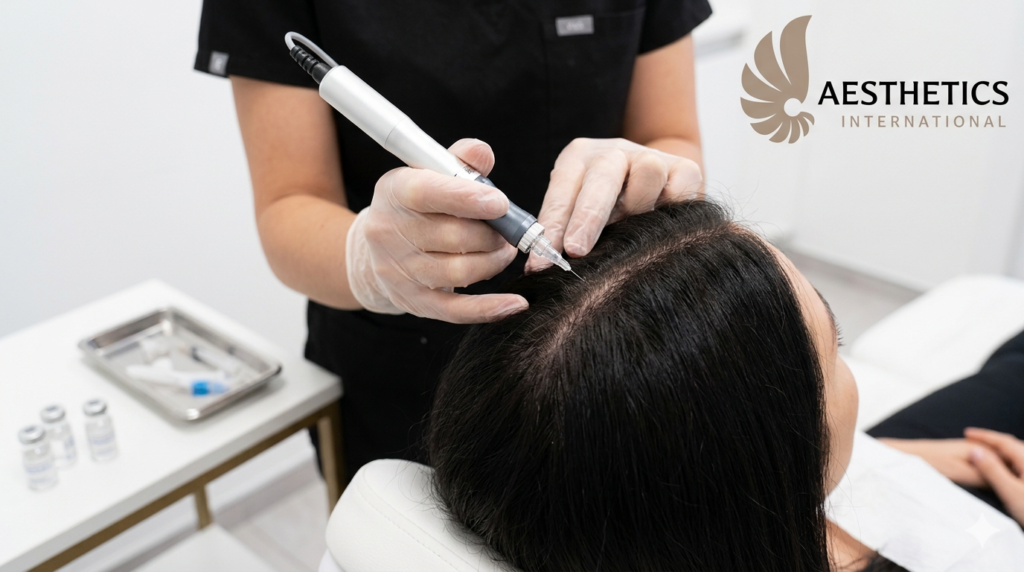
The concentrated PRP is carefully injected into targeted areas of the scalp where hair thinning or hair loss is occurring. The growth factors within the plasma stimulate the hair follicles and support the natural hair growth cycle.
The entire procedure usually takes between 45 and 90 minutes, depending on the treatment area. Also check this abdominoplasty in dubai
Who Is a Good Candidate for PRP Hair Treatment?
PRP therapy is often recommended for individuals experiencing:
- Early-stage hair loss
- Thinning hair
- Male pattern baldness
- Female pattern hair loss
- Hair shedding caused by stress
- Hair weakening due to hormonal changes
Patients with active hair follicles generally experience better outcomes than those with complete baldness in affected areas. A consultation with a qualified specialist is essential to determine whether PRP is the right treatment option.
Benefits of PRP Hair Treatment
One of the main reasons behind the popularity of PRP hair treatment Dubai is the wide range of benefits it offers.
Natural Treatment
Since PRP uses the patient’s own blood, the treatment is considered natural and biocompatible.
Minimally Invasive
The procedure does not require surgery, incisions, or stitches. Most patients can return to normal activities shortly after treatment.
Improved Hair Thickness
PRP can help increase hair shaft thickness, making hair appear fuller and healthier.
Enhanced Hair Growth
Growth factors in the plasma stimulate hair follicles and support new hair growth.
Reduced Hair Shedding
Many patients notice a decrease in excessive hair fall after completing a series of PRP sessions.
Quick Procedure
Treatment sessions are relatively short and can often be completed during a lunch break.
Minimal Downtime
Unlike surgical hair restoration procedures, PRP therapy usually involves very little recovery time.
What to Expect During the Procedure
Before beginning treatment, the specialist typically evaluates the patient’s scalp condition, medical history, and hair loss pattern.
The treatment process usually follows these steps:
- Initial consultation and assessment
- Blood sample collection
- PRP preparation using centrifugation
- Cleansing of the scalp
- Application of local anesthetic if necessary
- Precise PRP injections into targeted scalp areas
Patients may experience mild discomfort during the injections, but the procedure is generally well tolerated.
Recovery and Aftercare
One of the major advantages of PRP therapy is the relatively simple recovery process.
After treatment, patients may notice:
- Mild scalp tenderness
- Slight redness
- Temporary swelling
- Minor sensitivity at injection sites
These effects typically subside within a day or two.
Specialists often recommend the following aftercare measures:
- Avoid washing the hair for the first 24 hours
- Limit intense physical activity for a day
- Avoid excessive sun exposure
- Follow all post-treatment instructions provided by the clinic
Most individuals can resume normal daily activities immediately after the session.
How Many Sessions Are Needed?
The number of PRP sessions varies depending on the severity of hair loss and individual treatment goals.
A common treatment schedule may include:
- Three to four initial sessions spaced four to six weeks apart
- Maintenance sessions every four to six months
Some patients may require additional treatments to achieve optimal results.
Consistency is important, as PRP works gradually by supporting the natural hair growth cycle.
When Will Results Become Visible?
PRP therapy is not an overnight solution. Hair growth occurs in phases, and results typically develop over time.
Many patients report:
After 1–2 Months
- Reduced hair shedding
- Improved scalp health
After 3–6 Months
- Noticeable improvement in hair thickness
- Increased hair density
- Healthier hair texture
After 6–12 Months
- More significant hair growth
- Fuller appearance in treated areas
Results vary from person to person based on factors such as age, genetics, overall health, and the extent of hair loss.
PRP Hair Treatment vs. Hair Transplant
Many people compare PRP therapy with hair transplant surgery when exploring hair restoration options.
PRP Hair Treatment
Advantages:
- Non-surgical
- Minimal downtime
- Natural approach
- Lower recovery requirements
Best For:
- Early-stage hair loss
- Hair thinning
- Maintenance after hair transplant
Hair Transplant
Advantages:
- Permanent relocation of hair follicles
- Suitable for advanced hair loss
Best For:
- Significant baldness
- Areas with limited natural hair growth
In many cases, PRP therapy is used alongside hair transplantation to support healing and enhance results.
Safety of PRP Hair Treatment
PRP is generally considered a safe procedure when performed by qualified medical professionals.
Because the treatment uses the patient’s own blood, there is a very low risk of:
- Allergic reactions
- Disease transmission
- Rejection
However, choosing a reputable clinic with experienced specialists remains important for safety and effectiveness.
Patients should always discuss their medical history, medications, and health conditions before undergoing treatment.
Choosing the Right Clinic in Dubai
Selecting the right provider is one of the most important steps in achieving successful results from PRP hair treatment Dubai.
When evaluating clinics, consider:
Medical Expertise
Look for qualified dermatologists, aesthetic physicians, or hair restoration specialists with experience in PRP therapy.
Technology and Equipment
Modern centrifuge systems and advanced treatment protocols can contribute to better outcomes.
Patient Reviews
Reading patient testimonials and reviews can provide valuable insight into the quality of care.
Personalized Treatment Plans
Every individual’s hair loss condition is unique. A good clinic should offer customized recommendations based on your specific needs.
Consultation Process
A thorough consultation demonstrates a commitment to patient care and realistic treatment expectations.
Lifestyle Factors That Support PRP Results
While PRP therapy can stimulate hair growth, maintaining healthy habits can help maximize results.
Helpful practices include:
- Eating a balanced diet rich in vitamins and minerals
- Staying hydrated
- Managing stress levels
- Getting adequate sleep
- Avoiding smoking
- Following recommended hair care routines
A holistic approach often provides the best long-term outcomes for hair health.
Conclusion
Hair loss can affect confidence and quality of life, but modern regenerative treatments offer promising solutions. PRP hair treatment Dubai has become a popular choice for individuals seeking a safe, natural, and minimally invasive method to improve hair growth and reduce hair thinning.
By using the body’s own healing components, PRP therapy helps stimulate hair follicles, enhance scalp health, and promote stronger, thicker hair over time. With advanced medical facilities, experienced specialists, and personalized treatment options, Dubai continues to be a leading destination for this innovative hair restoration procedure.
For those experiencing early hair loss or thinning hair, PRP therapy may provide an effective pathway toward healthier and fuller-looking hair without the need for surgery. A professional consultation can help determine whether this treatment is the right solution for your individual needs and hair restoration goals.