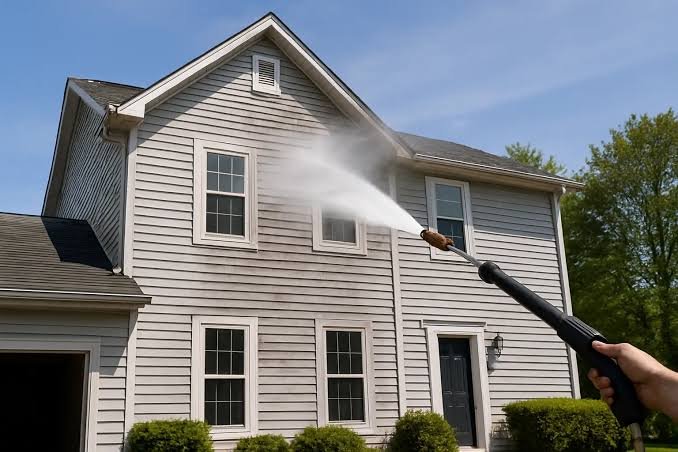
Outdoor surfaces experience plenty of wear throughout the year. Dust, pollen, vehicle exhaust, rainwater, and everyday foot traffic gradually leave marks on driveways, sidewalks, walls, and patios. These changes often happen slowly, making them easy to overlook until stains become difficult to ignore. Regular exterior cleaning helps property owners maintain a welcoming appearance while preventing ordinary grime from becoming a more persistent problem.
The climate and activity of North Texas create particular challenges for residential and commercial properties. Dry periods allow dust to settle on horizontal surfaces, while humid weather and shaded areas can encourage organic growth. For property owners considering pressure washing in Dallas, understanding these conditions is a useful starting point. The right cleaning schedule and approach can make outdoor maintenance more manageable without putting unnecessary stress on concrete, brick, siding, or other materials.
Understanding How Dirt and Stains Build Up
Exterior surfaces collect different types of contaminants depending on their location and use. Driveways accumulate tire marks and vehicle fluids, while shaded walkways may develop algae or dark organic staining. Brick walls can collect airborne dust, and patios often show food spills, grease, and discoloration from outdoor furniture. Identifying the source of a stain helps determine the most appropriate cleaning method.
Pressure washing in Dallas can be useful for removing many forms of surface buildup, but water pressure alone is not always the answer. Some stains respond better to suitable cleaning solutions and a period of gentle treatment before rinsing. Others, including rust, oil, and certain paint marks, may require specialized products or techniques. Testing a small area first is a sensible precaution, particularly on older concrete, painted surfaces, and delicate masonry.
Choosing the Right Cleaning Method for Each Surface
Not every outdoor material can tolerate the same level of pressure. Concrete is generally durable, although excessive force or an unsuitable nozzle can leave visible marks. Vinyl siding, painted wood, roof materials, and older mortar joints need a more careful approach. Using the wrong method may remove paint, force water behind siding, or damage the surface being cleaned.
Before starting a project, consider the material, the age of the surface, and the type of contamination present. A broad spray pattern and appropriate distance can help reduce the risk of damage, while lower-pressure techniques are often preferable for more delicate materials. Experienced professionals can assess these factors and adjust their approach rather than relying on one setting for every job.
It is also important to think about the surrounding area. Electrical outlets, outdoor lighting, landscaping, and nearby vehicles may need protection. Cleaning solutions should be selected and handled carefully, especially where runoff could reach gardens or storm drains. A little preparation can prevent an ordinary maintenance task from creating additional work.
Outdoor Areas That Benefit From Routine Cleaning
Different parts of a property collect dirt at different rates. A driveway exposed to daily traffic may need attention sooner than a covered porch, while a walkway under trees may develop organic growth more quickly than an open concrete path. Regular inspection helps property owners identify trouble spots before they become widespread.
Common areas to include in an exterior maintenance plan are:
- Driveways and parking spaces: Remove accumulated grime, tire marks, and suitable surface stains before they become more noticeable.
- Walkways and entrance areas: Clear dirt and organic buildup that can make frequently used paths look neglected or become slippery.
- Patios and outdoor living spaces: Address food spills, tracked-in soil, and discoloration around seating and dining areas.
- Exterior walls and masonry: Remove compatible surface contaminants using a method appropriate for the material.
- Fences and retaining walls: Check for mildew, dirt, and other deposits that affect appearance.
A practical cleaning schedule should reflect actual conditions rather than a rigid calendar. Properties with heavy foot traffic, mature trees, or frequent outdoor use may require more attention than those with limited exposure.
How Professional Cleaning Can Help Prevent Damage
Hiring a professional for pressure washing in Dallas may be worthwhile when stains cover large areas, surfaces are difficult to access, or the correct cleaning method is uncertain. Professionals can assess the material, select suitable equipment, and adjust water pressure according to the task. This can be particularly helpful when cleaning several different surfaces during the same maintenance visit.
Professional service is also useful when dealing with stubborn contamination. Oil stains, paint residue, and deeply embedded dirt do not always respond to a simple rinse. The wrong chemical or excessive pressure can make these problems worse, so matching the treatment to the stain is essential. On Point Pressure Washing Dallas is one local business property owners may consider when researching exterior cleaning options for residential or commercial spaces.
Before arranging any service, ask what preparation is required, how runoff will be managed, and whether delicate areas need special treatment. A clear explanation of the process helps establish realistic expectations about what cleaning can accomplish. Some discoloration may remain when stains have penetrated the material or caused permanent changes.
Building a Practical Exterior Maintenance Schedule
A consistent routine is often easier to manage than waiting until every outdoor surface looks heavily soiled. Walk around the property periodically and note areas where dirt collects, water drains poorly, or organic growth appears. Cleaning can then be prioritized according to use, appearance, and safety concerns rather than tackling everything at once.
Weather should also influence scheduling. Dry conditions may leave a fresh layer of dust soon after cleaning, while damp, shaded areas may need more frequent inspection for slippery buildup. Pressure washing in Dallas is most useful when it forms part of a broader maintenance plan that includes gutter care, drainage checks, and prompt attention to spills.
Between professional cleanings, sweeping walkways, removing fallen leaves, and addressing fresh stains can help surfaces stay presentable. These simple habits reduce the amount of buildup that accumulates over time. They also make it easier to identify cracks, loose joints, and drainage issues that may otherwise remain hidden beneath dirt.
Conclusion
Clean exterior surfaces contribute to a property’s appearance, usability, and long-term upkeep. The most effective approach combines regular inspections, sensible cleaning intervals, and methods suited to each material. By understanding where dirt originates and responding before buildup becomes severe, property owners can keep outdoor areas in better condition while avoiding unnecessary wear. A thoughtful maintenance plan makes exterior care more predictable and helps protect the investment represented by a home or commercial building.